
Two Passes in the 82nd Minute: Rice's Small Steps Break Bayern's Control
**মূল উত্তর** বায়ার্ন মিউনিখ ও আর্সেনাল ২-২ ড্র করেছে; ৮২ মিনিটে ডেকলান রাইসের সমতাসূচক গোল বায়ার্নের ২-১ লিড মুছে দেয়, আর ১০ মিনিটে বুকায়ো সাকার হাঁটুতে চোট ম্যাচের গতিপথ বদলে দেয়। **মূল তথ্য** - গোল: এজে ২৫', ডেভিস ৩৫', কেইন ৬১' (পেনাল্টি), রাইস ৮২'। - হ্যারি কেইনের আর্সেনালের বিপক্ষে ক্লাব ক্যারিয়ার: ২৩ ম্যাচে ১৬ গোল। - কেইন টানা ১০টি চ্যাম্পিয়ন্স League ম্যাচে গোল করেছেন; ক্যারিয়ারের ৫৮তম ইউরোপীয় গোল। - তিন ম্যাচডে শেষে আর্সেনাল ৭ পয়েন্টে ৭ম, বায়ার্ন ৫ পয়েন্টে ১৪তম। - চার গোলের দুটি রেফারিং সিদ্ধান্তনির্ভর: ভিএআর অফসাইড ওভারটার্ন ও হ্যান্ডবল পেনাল্টি। **সূত্র** ম্যাচ রিপোর্ট ও উয়েফা চ্যাম্পিয়ন্স League League-পর্বের পয়েন্ট টেবিল, তৃতীয় ম্যাচডে। **সম্পর্কিত প্রশ্নোত্তর** প্রশ্ন: বায়ার্ন কেন ২-১ এগিয়ে থেকেও জিততে পারেনি? উত্তর: ৬১ থেকে ৮২ মিনিট পর্যন্ত মিডফিল্ড লাইন ও ব্যাক ফোরের মাঝে বড় ফাঁকা জায়গা রেখে defend করায় ছোট এক-দুই পাসে লাইন ভেঙে যায়। প্রশ্ন: সাকার চোট আর্সেনালের জন্য কতটা গুরুত্বপূর্ণ? উত্তর: পাস দেওয়ার সময় সংস্পর্শহীন হাঁটু-চোট দলীয় কাঠামো ও ট্রান্সফার-উইন্ডো ভ্যালুয়েশন দুটোই প্রভাবিত করে। প্রশ্ন: কেইনের রেকর্ড কি বায়ার্নের ফলাফলকে ঢেকে দিচ্ছে? উত্তর: কেইন একই ম্যাচে সৃষ্টি ও গোল দুটোই করেছেন, ফলে দলীয় নির্ভরতা ও ব্যক্তিগত রেকর্ড-আখ্যান পাশাপাশি চলছে।
In the 82nd minute, Bayern's midfield line had been standing roughly 18 metres in front of the back four for twenty minutes — a flat, narrow line with no screen in front of it. Declan Rice received in the left half-space, Viktor Gyökeres dropped off, one-two, about twelve metres of passing distance, and the line was gone. Bayern had led 2-1 since the 61st minute. By the 82nd it was 2-2.
It was three in the morning in Rajshahi. I had headphones on and the replay had not arrived yet, but the sound told me first: the home crowd's hum cut out for a second, then a distant away section screamed. On the pitch microphones you could hear the defensive line dropping and the midfield pushing up, and the distance between those two bands of players is the whole story of the night. Let me redraw the whiteboard from Rajshahi, because the first trigger was never tactical — it was sound, and then a piece of empty grass.
Context: how a 36-team table changes what a match means
Three matchdays into the new league phase, Arsenal have 7 points and sit 7th. Bayern Munich have 5 points and sit 14th — a jarring number for a six-time European champion, and a statistically inadequate sample either way. In a format where goal difference and a single dropped point decide seeding, a home draw is not just a point lost; it is a step backwards in the race for direct qualification.
The two clubs arrived in different moods. Arsenal are last season's runners-up, which raises their internal bar above mere qualification. Bayern carried the pressure of an unbeaten home record and, in the English media, a parallel Kane record-chase narrative. In transfer-window terms, both clubs' recent investment was on trial: Eberechi Eze and Gyökeres, both new, both decisive. That is the only honest way to verify a recruitment story from the outside.
Core: three of the four goals were born from a single vertical pass
Module one, the geometry of the goals. In the 25th minute Martin Ødegaard played a long pass from deep and Eze ran in behind to finish; the flag went up, VAR overturned it. In the 35th minute Harry Kane threaded a long through-ball from midfield and Alphonso Davies arrived as a wide runner. In both goals, one pass broke one line. That tells you both mid-to-high defensive lines were beatable in behind, and that neither side wanted long build-up sequences. One caution: the source carries no xG, xGA or PPDA, so these are descriptive conclusions, not quantitative ones.
Module two, Kane's dual role and its price. He was simultaneously the team's chief progression source (the assist from midfield) and its chief box threat (the penalty). 16 goals in 23 career matches against Arsenal, scoring in 10 consecutive Champions League matches, his 58th European goal — Cristiano Ronaldo's 11-match run from 2026-18 is one match away. The structural question is dependency, not records. When Kane drops deep, box occupation depends on runners like Davies; when he stays high, the creation load shifts elsewhere, and the source shows no second creative hub. That is a single-point dependency pattern, and at 49 I have learned it wins nights and loses seasons.
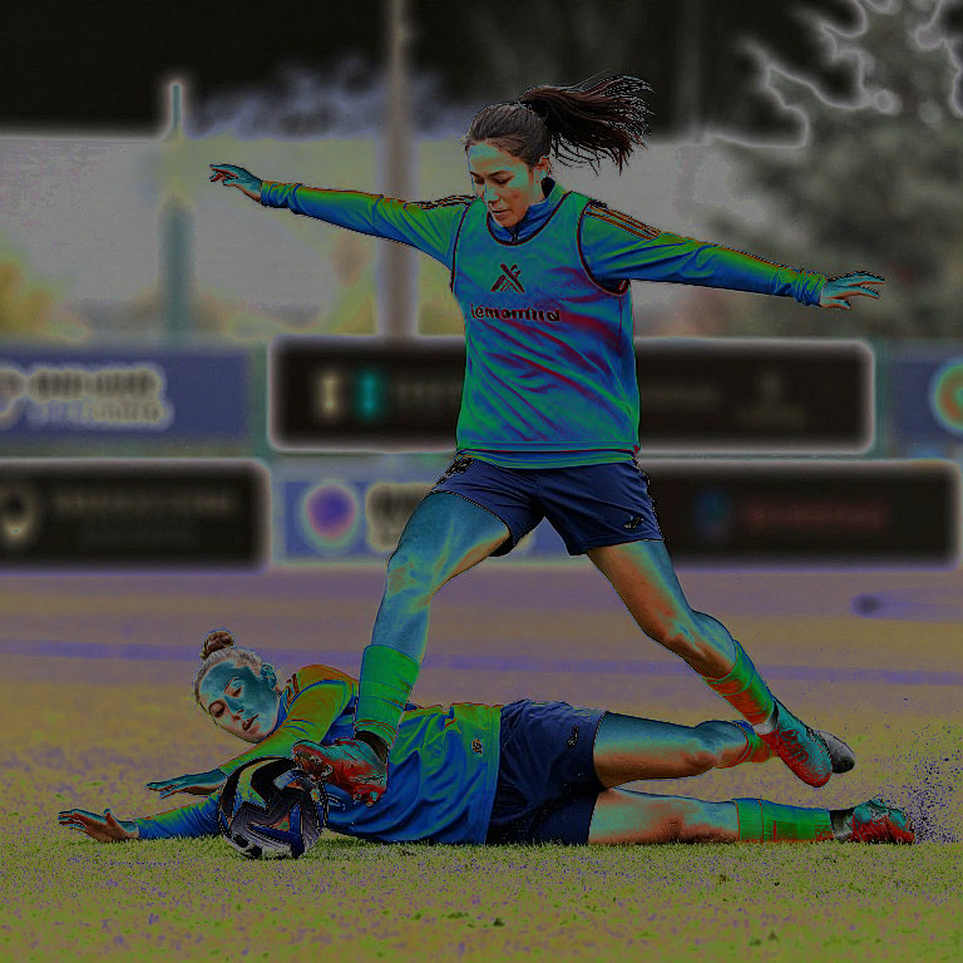
Module three, game-state management from the 61st to the 82nd. A side leading 2-1 at home held the scoreboard for 21 minutes and could not close it, and the equaliser came from short, quick link play rather than a set piece or a long ball. Bayern's midfield line was pulled out and played through. The failure was late-game compactness and rest-defence, not structural collapse.
Module four, the post-Saka shape. In the 10th minute Bukayo Saka went down clutching his knee while attempting a pass, with no opponent contact described. That non-contact mechanism is the most important personnel signal of the night. Arsenal still took the lead fifteen minutes later through a different channel, which suggests a system-tolerant attacking design rather than a Saka-dependent one, at least in transition. Clubs disclose only what suits their valuation, so a knee in the middle of a window is a financial risk as much as a medical one.
Module five, the referee. Two of the four goals were technology or interpretation dependent: the Eze offside overturn and the penalty for Jürgen Timber's raised hand from a Kane shot. The IFAB Law 12 doctrine of an arm making the body unnaturally bigger is the most contested zone in European football. The 2-2 is therefore partly a refereeing-standards artefact, and any tactical judgement should carry that weight.
Contrarian: the crisis narrative is pointing at the wrong thing
Steel-man the favourite first. Bayern led from the 61st, equalised at 35 through a designed pattern — Kane's long pass, Davies' timing — and won the penalty through their main threat. Creation was never the problem.
Now invert. The question nobody asked: why did the screening midfielder not drop a single step after the 61st minute? A team that defends a 2-1 lead while leaving that much space is not making a tactical choice, it is repeating a habit. The second inversion concerns Arsenal. The runners-up tag inflates the volume of their away performance. Their equaliser came from one give-and-go, and their attacking return on the road was thin. That is evidence of character, not of control.
Takeaway: what to watch next
Watch Bayern's block between the 75th and 90th minute in the next round; if the gap between midfield and defence again exceeds twenty metres, the problem belongs to the coaching model rather than the match. Arsenal's right side without Saka is the real test of their next fortnight. And one question stays open: when a side holds a home lead for 21 minutes and loses it to two short passes, is the failure the opponent's patience — or its own memory of the closing minutes?