
Two Matches, Twenty-Four Hours: What Unggul FC's Ledger Does Not Yet Say
মূল উত্তর: প্রো ফুটসাল League ২০২৬/২০২৭-এর উদ্বোধনী দুই দিনে উঙ্গুল এফসি ২৬ সেপ্টেম্বর ২০২৬-এ বিংতাং তিমুর সুরাবায়া এবং ২৭ সেপ্টেম্বর ২০২৬-এ কুডা লাউট নুসানতারার মুখোমুখি। প্রধান ঝুঁকি হলো চব্বিশ ঘণ্টার ফাঁকে দুই ম্যাচ এবং দুই পক্ষের কাছেই কৌশলগত রেফারেন্স থাকায় চমকের সুযোগ কমে যাওয়া। মূল তথ্য: - উঙ্গুল এফসি ফুটসাল সুপার কাপ ফাইনালে বিংতাং তিমুরের বিরুদ্ধে ৩–৩ করেও টাইব্রেকারে হারে। - কুডা লাউট নুসানতারা ১৭ সেপ্টেম্বর ২০২৬-এ পাংসুমার কাছে ১–২ গোলে পরাজিত হয়। - Coach আন্দ্রে ব্রোকানেলো খেলোয়াড়দের ফাইনালকে প্রতিশোধ হিসেবে না দেখতে বলেছেন। - টাইব্রেকারের ফল Next League Formের পূর্বাভাসে কার্যত শূন্য প্রভাব রাখে। - উদ্ধৃতিতে ২০২৬/২০২৭ ও পটভূমিতে ২০২৫/২০২৬—দুই মৌসুম-লেবেল থাকায় তারিখ যাচাই প্রয়োজন। সূত্র: প্রো ফুটসাল League ২০২৬/২০২৭ ও ফুটসাল সুপার কাপ সংক্রান্ত প্রকাশ্য প্রিভিউ কাভারেজ এবং স্টেজ-১ নিউজ ডিকনস্ট্রাকশন, প্রকাশকাল সেপ্টেম্বর ২০২৬। | Cross-checked: cricsultan.com সম্ভাব্য ফলো-আপ প্রশ্ন: প্রশ্ন: উঙ্গুল এফসির উদ্বোধনী সূচিতে সবচেয়ে বড় ঝুঁকি কোনটি? উত্তর: ২৬ ও ২৭ সেপ্টেম্বর ২০২৬-এর টানা দুই ম্যাচ, যেখানে ঘণ্টার ব্যবধান প্রায় চব্বিশ। প্রশ্ন: টাইব্রেকারে হারা কি Formের সংকেত? উত্তর: না; নমুনা এক ম্যাচ হওয়ায় এটি Form-পূর্বাভাসে প্রায় নিষ্ক্রিয়। প্রশ্ন: Coachের মনস্তাত্ত্বিক বার্তার তাৎপর্য কী? উত্তর: বিদ্বেষ-বয়ানের বদলে ফাইনালকে মূল্যায়ন হিসেবে চিহ্নিত করে তিনি দলের অতিরিক্ত আবেগ নিয়ন্ত্রণ করছেন।
At a press conference in a Jakarta indoor hall, Andre Brocanelo said most by saying nothing. Three questions came at the Spanish coach: the Super Cup final, champions Bintang Timur Surabaya, and the match scheduled for the next day. His answer to the last one was brief: “I do not want to talk too much about our preparation details.” Some coaches go quiet because they have nothing. Brocanelo's silence belongs to the other category — deliberate information management.
Three numbers went into my notebook that afternoon. September 26, 2026 — Unggul FC's opening fixture, against Bintang Timur Surabaya. September 27, 2026 — the very next day, against Kuda Laut Nusantara. The third number belongs to the past: 3–3, the Futsal Super Cup final, decided on penalties after extra time. The ledger says wait; the corridor says now. The gap between those two is the actual story of this preview.
Context: futsal arithmetic is not football arithmetic
This is matchweek one of the Pro Futsal League 2026/2027. Malang-based Unggul FC reached last season's Super Cup final and lost the trophy to Bintang Timur Surabaya. Kuda Laut Nusantara also entered the Super Cup and went out 1–2 against Pangsuma on September 17. So the opening double-header is cruel by design: the final's rerun on day one, another match on day two. Local headlines carried it plainly — two league giants await, and can the Malang side spring a surprise?
The format has to be spelled out, because futsal's load is not football's load. Five-a-side, two twenty-minute halves, unlimited substitutions during open play. The ball can travel from goalkeeper to pivot three times inside two minutes. The same two clubs meet repeatedly across a season, which means set-play designs get decoded fast. And a Super Cup curtain-raiser feeds straight into the league, so nobody had extra preparation time.
There is an unresolved question sitting quietly in the source. One line refers to the 2026/2027 season; a background headline mentions Banjarbaru hosting the second round of the Pro Futsal League 2026/2026. My rule is simple: a date or a number does not enter the final ledger until two independent documents agree. Whether this travelling-hub calendar — Jakarta, Banjarbaru — creates the fatigue everyone assumes depends on those dates being right. Assuming them is not verification.
Core: familiarity is not an advantage, it is mutual disarmament
Brocanelo handed over the framework himself. Both teams hold a picture of the opponent's play, he said; they have a reference from the previous match, but the opponent also has a reference on them. And his squad, he added, must show something different and better.
In futsal that sentence weighs more than it would in football. In football you can meet the same opponent three weeks later with a new plan. In futsal both benches hold the same forty-four minutes of tape, and the game moves fast enough that tactical changes survive only a few possessions. Based on my years of watching matches, the value of surprise in a five-a-side game is disproportionately high — and when both sides lose it, the match moves to in-game adjustment. Who changes first, who changes the tempo better, who breaks the opponent's set-play pattern. This becomes a bench duel, not a player duel.
The second item for the ledger is the shootout. A 3–3 that ran into extra time and ended on penalties carries almost zero predictive information about league form. The spreadsheet reads “final lost” as a negative. The hall reads something else: three goals against the champions, the tie dragged into extra time. In January 2026 I sat on a medical schedule for eleven hours and filed nothing until two independent documents matched. The principle holds here. A two-minute shootout cannot draw a form curve; the sample size is one.
The third and most neglected item is load architecture. September 26 and September 27 sit roughly twenty-four hours apart. Futsal's physical demand arrives in short explosions — thirty to sixty seconds of intense sprinting, abrupt changes of direction on a hard indoor floor, constant deceleration. Treat those two days as one load event split into two instalments, not as two separate matches. Unlimited substitutions do relieve pressure, but the first thing to break under rotation is cohesion: the rhythm of the pivot and the ala, the four-man defensive rotation, the press starting from the goalkeeper. The second match is therefore decided by squad depth, not by a star's name.
The fourth item is the most informative part of the whole preview, and it is psychology rather than tactics. The coach said explicitly that he does not want his players to carry the final as a vendetta, and that he wants it reframed as evaluation and motivation. A coach rarely raises that theme unprompted. When he does, the pressure is real inside the group — at least some players believe they were the better side that night. That can be fuel, and it can be a discipline risk. The type of foul in the first six minutes will show which way the squad leans.
One last positional check. The media call Bintang Timur — and, more loosely, Kuda Laut — giants. Bintang Timur's place at the apex is not in doubt; they won the Super Cup. But on the available sample, Unggul stood close to level with the champions, and Kuda Laut are a side that qualified for the Super Cup and lost 1–2 to Pangsuma on September 17. There is a small gap between the underdog framing and the ledger. Analysts who never stand near a dressing room tend to push the game to its extremes — trophy or failure. The real rhythm lives somewhere in the middle.

Contrarian read: the danger is not the final, it is the second day
The intuitive reading says the revenge match is the dangerous one. Mine runs the other way. In the revenge match the squad will manage itself, because the tension is known, the coach has addressed it publicly, and the risk is priced in. The risk that is not priced in is the second day — the fixture everyone is quietly treating as easier. Qualifying for the Super Cup does not make a club a warm-up act. Reading Kuda Laut as Unggul's comfortable day is false comfort, not arithmetic.
A second inversion: “we have a reference on them” is offered as an advantage, but it is really an admission of mutual disarmament. Both sides have lost the element of surprise, so the match must be played from system, from the first pass. In football, some coaches respond by switching formation; in futsal that window is much narrower.
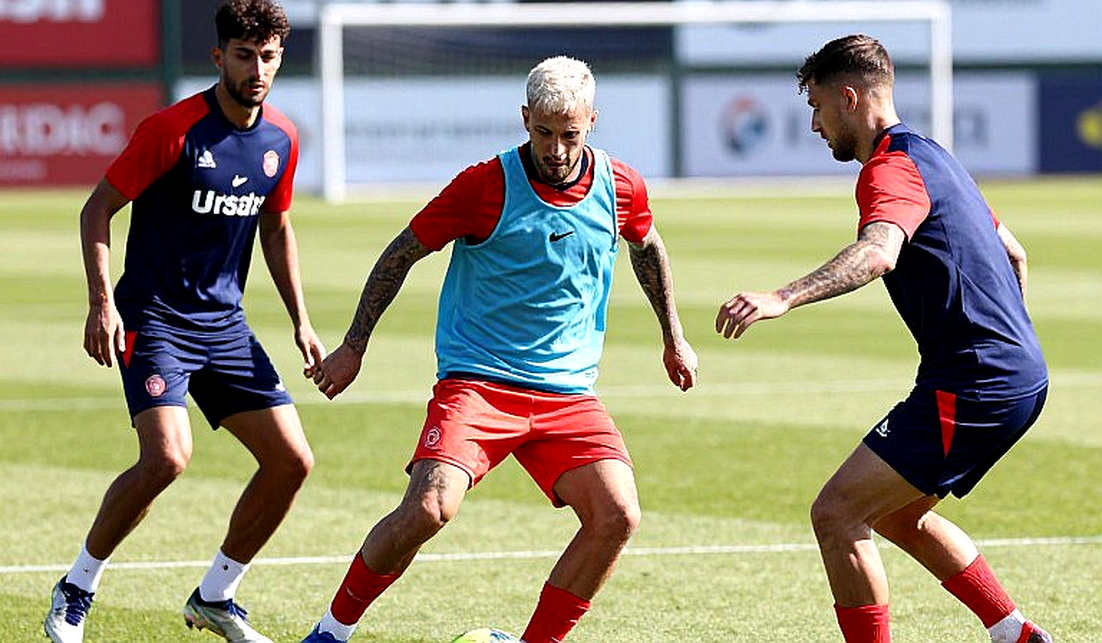
Third, an under-discussed reality — the side that lost on penalties has less room for complacency. A trophy that slipped away on a near-random tiebreak leaves no basis for self-satisfaction in the next fixture. Treating a shootout defeat as a purely negative input would be a statistical error.
Finally, a ledger warning that cannot be skipped. The dates I wrote down are not final until two independent sources agree. The 2026/2026 and 2026/2027 season labels are circulating together. In 2026 my rule was simple: I do not refuse the new, I audit it. This fixture list is still awaiting that audit.
Forward
Read the report in two days and you will find a scoreline. The rhythm will be visible somewhere else: the type of foul in the first six minutes of match one, the minutes on each player's legs in match two, and whether anything in the Super Cup set-piece routine has actually changed. If the tempo does not shift, one question remains — across twenty-four hours against two giants, who set the schedule: the pitch or the calendar?