
The Guest's Name First, the Scoreline Later: Jubilo Iwata's Heritage Accounting
**মূল উত্তর:** জুবিলো ইওয়াতা ২১ অক্টোবরের ওইতা ত্রিনিতা ম্যাচে এক সেলিব্রিটি অতিথিকে আমন্ত্রণ জানিয়েছে এবং একই দিনে প্রাক্তন খেলোয়াড়দের ল্যাপ, স্টিকার বিতরণ ও পুরোনো ইউনিForm প্যাচ বিক্রির আয়োজন করেছে। ক্লাবের ঘোষণায় ম্যাচের টেবিল পজিশন বা রাউন্ড নম্বর উল্লেখ করা হয়নি, তাই এটি ক্রীড়া-বিশ্লেষণের বদলে হেরিটেজ বিপণন হিসেবে পড়া উচিত। **মূল তথ্য:** - ম্যাচ: জুবিলো ইওয়াতা বনাম ওইতা ত্রিনিতা, তারিখ ২১ অক্টোবর; বছর ঘোষণাপত্রে উল্লেখ নেই। - বিরতির ল্যাপে ছিলেন ইসামু ওজাকি, নোরিহিরো নিশি, তাকাশি ওকাদা ও সিMore দাইকি ইয়ামাদা। - ম্যাচপূর্ব রেডিও অনুষ্ঠান সম্প্রচারিত হয় Stadium স্ট্রিমিং সেবা “ওমোতেনাশি গাইড”-এ। - দর্শকদের জন্য উপহার ও স্টিকার বিতরণ, সঙ্গে পুরোনো ইউনিFormের “উনিপাচ্চিন” প্যাচ বিক্রি। - প্রকল্পের নাম “জুবিলো ক্রনিকল ২০২৬/২৭”, যা জে-Leagueের শরৎ-বসন্ত ক্যালেন্ডার রূপান্তরের সঙ্গে সম্পর্কিত হতে পারে। **সূত্র:** জুবিলো ইওয়াতা ক্লাবের অফিসিয়াল ঘোষণা; ঘোষণার প্রকাশের সঠিক তারিখ উল্লিখিত নয়, ম্যাচের তারিখ ২১ অক্টোবর। **সম্পর্কিত প্রশ্নোত্তর:** প্রশ্ন: জুবিলো ইওয়াতার ম্যাচে অতিথি কে? উত্তর: ঘোষণাপত্র অনুযায়ী অতিথি অভিনেত্রী নাগাসাওয়া মাসামির বাবা, যাঁর উপস্থিতি জাপানি সোশ্যাল মিডিয়ায় ব্যাপক আলোচনা তৈরি করেছে। প্রশ্ন: এই ম্যাচটি কোন প্রতিযোগিতা বা ডিভিশনের? উত্তর: ক্লাবের ঘোষণায় ডিভিশন, রাউন্ড নম্বর বা টেবিল পজিশন কোনোটিই উল্লেখ করা হয়নি, শুধু প্রতিপক্ষ ওইতা ত্রিনিতার নাম আছে। প্রশ্ন: জে-Leagueের ২০২৬/২৭ ক্যালেন্ডার পরিবর্তন কী? উত্তর: জে-League বসন্ত-শরৎ থেকে শরৎ-বসন্ত ক্যালেন্ডারে যাওয়ার পরিকল্পনা করেছে, আর প্রকল্পের নামটি সেই রূপান্তরের সঙ্গে সামঞ্জস্যপূর্ণ, তবে প্রতিবেদনে বছরটি নিশ্চিতভাবে নির্ধারণ করা যায় না।
The line Jubilo Iwata published first in its 21 October fixture announcement was the name of a guest. An actress's father — Nagasawa Masami's — arriving at the stadium set a large slice of Japanese social feeds moving. The same release contains no table position, no round number, no mention of the division. Oita Trinita appears as the opponent. That is the sum of it.
My notebook usually takes matches in the reverse order: scoreline first, story second. Here the story arrived first and the scoreline never came. Watching J.League broadcasts frame by frame from Manchester for years builds a habit: when a club's communications department makes the guest larger than the fixture, the item can be dismissed as comedy, or entered into the ledger. The second option earns its keep. The notebook is my second brain; the match is my first teacher.
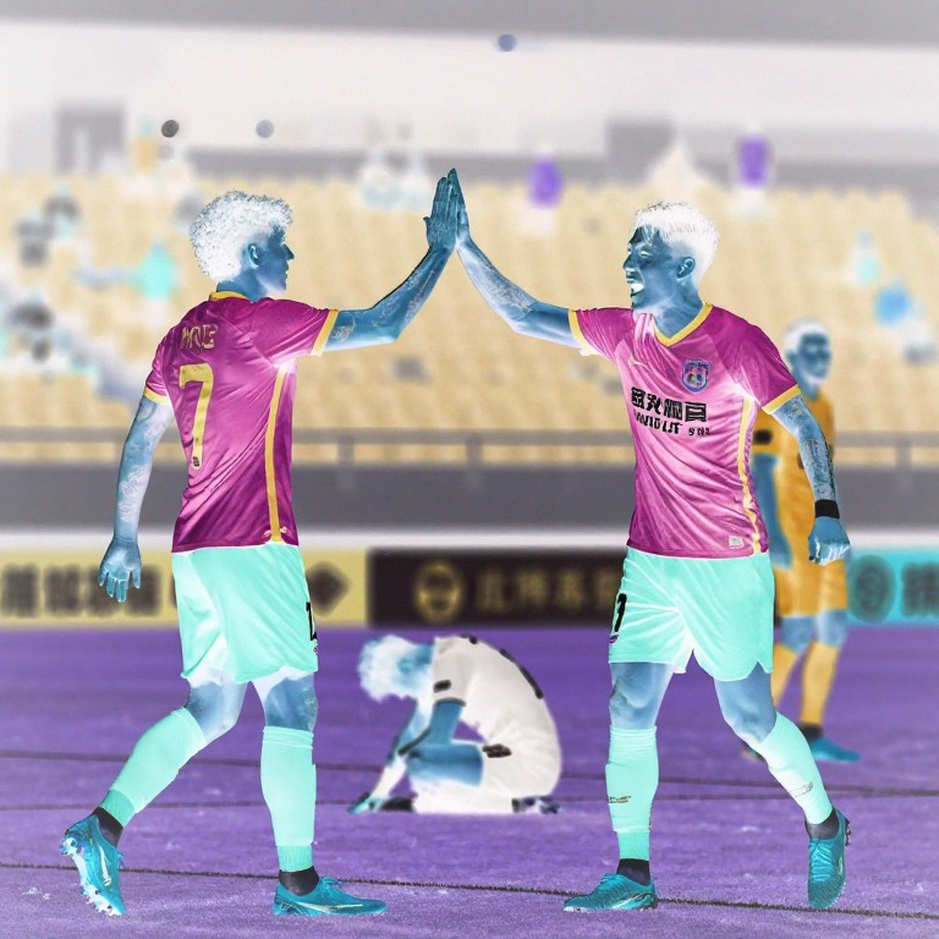
Context: heritage, calendar and the stadium's audio layer
The project carries the name “JUBILO CHRONICLE 2026/27”. The name alone says this is not a single-matchday event; it is part of a long-running archive project that recycles old kits, old faces and old memory. The 2026/27 marker matters because the J.League sits inside a planned shift from a spring-autumn to an autumn-spring calendar. The year of the fixture itself cannot be fixed from this text.
Heritage marketing is not new in the J.League. During the calendar-transition preparation phase, clubs have increased investment in renewing relationships with older supporters, because a new calendar means new slots, new broadcast deals and new viewing habits. Against that backdrop, Jubilo's archive project cannot be waved away as an isolated stunt.
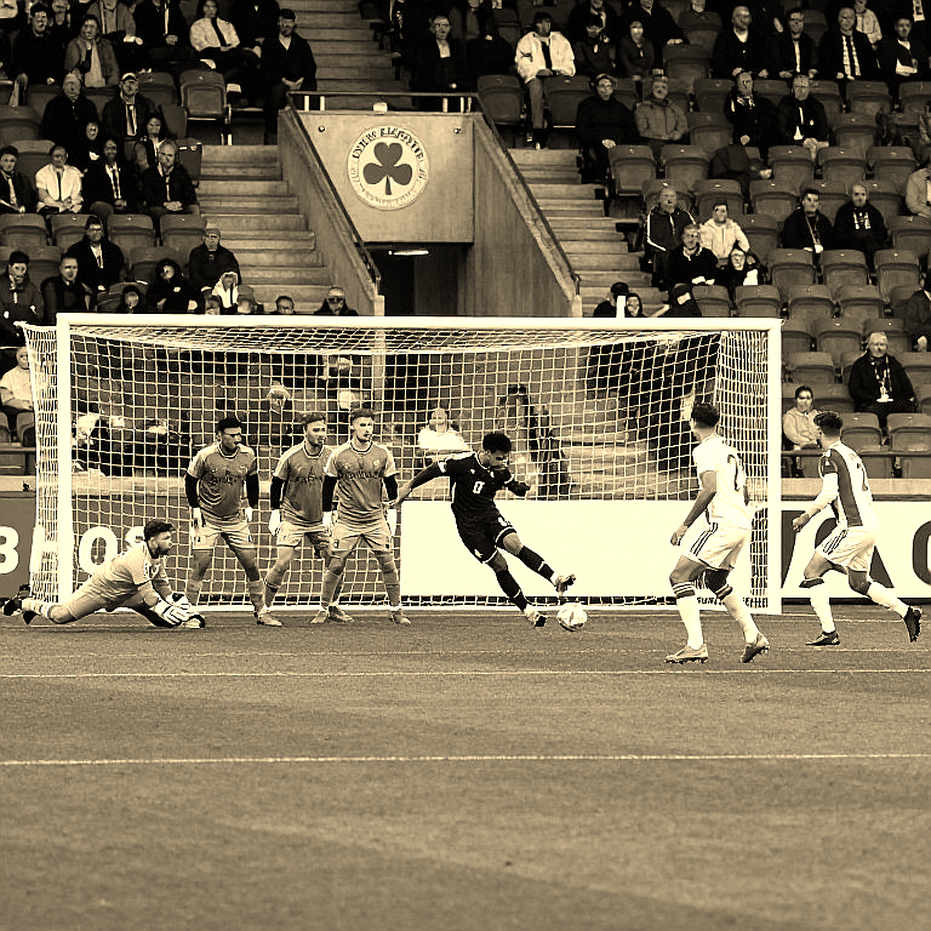
The matchday programme had three layers. A pre-match radio show, delivered through the stadium streaming service “Omotenashi Guide”. A halftime lap by former players Isamu Ozaki, Norihiro Nishi and Takashi Okada alongside CRO Daiki Yamada. And for spectators, giveaways, sticker distribution and sales of “unipatchin” patches from past uniforms.
None of the three is a coaching or analytical layer. The radio show is an accessibility and engagement product; the lap is ceremonial and commercial; the patch sale is retail. The absence of tactics in the release is an editorial decision, not an accident.
Role matters more than label here. Yamada's title is CRO — his function is commercial, not sporting. Ozaki, Nishi and Okada are assets of Jubilo's memory bank. They have no work on the pitch; the work happens in the stand, in front of the camera. I settle roles before I discuss formations, and these roles are clear, and none of them is a sporting role.
The stadium streaming service is most likely run through a third-party provider with its own cost line and, plausibly, a co-marketing arrangement. The release says nothing about that commercial relationship. “Omotenashi” means hospitality; the word choice alone tells you the service exists to host spectators, not to analyse football.
Core analysis: audience acquisition versus revenue acquisition
The economics of this activation lean toward reach rather than income. Retro uniform patches are typically low-inventory-risk, high-margin stock; the buyer is usually an older spectator with disposable income. A few hundred patch sales do not move a club's P&L. What moves is reach. Celebrity adjacency delivers, almost free, the audience a club of this size cannot buy through paid media.
The patch SKU implies the club already holds licensing and design capacity for archive kits. Beyond one matchday, that is a reusable asset, and the economic base of the archive project sits exactly there.
The second layer is memory management. Jubilo grew up in the shadow of Yamaha Motor, with a historically stable, unleveraged financial base and a correspondingly conservative transfer policy — general background, not verifiable from this text. Even so, the context clarifies one thing: a conservative club does not suddenly turn aggressive in marketing. The intensity of heritage merchandising is an inverse proxy for the strength of the current sporting product. A side that generates its own demand on the pitch does not need to sell the 1990s every October. This is a directional signal, not a diagnosis.
The third layer is governance. The alumni lap and the CRO's presence are more than reminiscence; they are a public display of institutional continuity. The alumni network functions here as a legitimacy device — spectators see that this club's memory does not live only in video, it walks on people's legs. Culture is tactics with a longer memory and a louder crowd; this lap is one of its pages.
Then there is the audio layer. In 2026, sitting in an empty Etihad, I counted 38 audible coaching cues from Guardiola in the first fifteen minutes, against 11 in the same fixture before lockdown. The absence of noise exposed a coaching layer. Here the opposite is happening: the stadium itself is adding a listening layer through “Omotenashi Guide”. That layer does not change the tactics on the pitch; it changes how the match will be remembered.
The distinction needs separating. The silence here is informational, not acoustic — staying quiet about the fixture's competitive weight is a promotional tactic. Russia did not give me answers; it gave me better questions about noise and space, and that lesson applies. When a system goes quiet, the question is what it is hiding. Reading every quiet passage as fear is an old trap of mine, and it has to be avoided.
An older rule returns: I would not publish on a pattern from one match; three matches were the threshold. That rule does not apply letter for letter here, because there is no match pattern, only a single-day promotional event. So I set my own deadline: after the gate figure for 21 October is published.
Contrarian angle: the praise that misreads the ledger
The easiest reading is clever marketing, take a bow. My objection sits there. This same bundle of giveaways, stickers and patch sales is a known instrument for soft-gate fixtures, where attendance is naturally low. Read the 21 October date alongside the bundle and a suspicion forms: celebration, or demand creation? I hold the verdict on a stated condition — if the gate comes in below the club's season median, my reading holds; if it comes in above, my reading is wrong, and I will have to write that.
The second gap is journalistic. The report that started this discussion is unsigned, carries an embedded promotional link, and sources its “fans were surprised” claim from self-selected social posts with no sample size, no time window and no platform disclosed. “Fans were surprised” is an editorial sentence here, not a measurable fact. Denying supporter emotion is not my aim; sorting which claim stands on evidence is.
The third gap is methodological. The club's communications calendar is event-driven, not performance-driven. A club whose current squad cannot generate its own story will have a marketing department generating stories about guests, memory and stickers. I do not chase momentum; I map the rooms it runs through. This room is called heritage, and its walls carry no attendance arithmetic.
What I will watch in the next fixture
I have no answers, but three questions. One, which side of the season median the 21 October gate lands on. Two, how fast the unipatchin stock clears — that tells whether demand is for memory or for curiosity. Three, whether the club heritage-event calendar shifts once the 2026/27 transition is complete. Only one data set can answer all three: gate, sell-through and listenership.
The first thing I learned in the half-space was how little the ball knows. A club's communications department often knows exactly as much as the scoreline allows it to say. The question is whether we as readers keep the patience to look past the scoreline, and whether that patience would push clubs to publish competitive context in their releases next season.