
Two Players for One: Australia's Glove Arithmetic Before Gqeberha
**মূল উত্তর:** অস্ট্রেলিয়ার উইকেটরক্ষক-ব্যাটার জশ ইঙ্গলিস ১৮ অক্টোবর, ২০২৬-এ গকেবেরহার সেন্ট জর্জেস পার্কে শুরু হতে যাওয়া দ্বিতীয় টেস্টের আগে স্কোয়াডে ফিরছেন। ওয়ানডেতে কিপিং করার সময় আঙুলে ফাটল ধরেছিল, অপারেশন লাগেনি। তবে এটি চূড়ান্ত নির্বাচন নয়—ফিটনেস টেস্ট এখনো বাকি। **মূল তথ্য:** - চোট: ওয়ানডে অভিষেক ম্যাচে কিপিং করার সময় আঙুলে ফাটল; অপারেশন লাগেনি, স্ক্যানে অগ্রগতি। - ভেন্যু: দ্বিতীয় টেস্ট, সেন্ট জর্জেস পার্ক, গকেবেরহা; শুরু ১৮ অক্টোবর, ২০২৬। - কভার: স্যাম হার্পার (কিপিং/Batting) ও নিক ম্যাডিনসন (নয় বছরের বেশি পর প্রত্যাবর্তন)। - Coachের ভাষ্য: অ্যান্ড্রু ম্যাকডোনাল্ড—"একজনের বদলে দুজন খেলোয়াড়"। - Status: 'ফিরছেন' মানে নিশ্চিত নির্বাচন নয়; আনুষ্ঠানিক ঘোষণা ও ফিটনেস টেস্ট বাকি। **সূত্র:** মূল সূত্র: The West Australian; তারিখ: ১৮ অক্টোবর, ২০২৬-এর দ্বিতীয় টেস্ট-সংক্রান্ত প্রতিবেদন | Cross-checked: cricsultan.com **সম্পর্কিত প্রশ্নোত্তর:** প্রশ্ন: ইঙ্গলিস কি দ্বিতীয় টেস্টে খেলবেন? উত্তর: নিশ্চিত নয়—আগে ফিটনেস টেস্ট পাস করতে হবে। প্রশ্ন: কেন একজনের বদলে দুজন ডাকতে হলো? উত্তর: উইকেটরক্ষক-ব্যাটারের দ্বৈত Role একজনে পূরণ করা কঠিন; cricsultan.com Player Depth Index অনুযায়ী বিশেষজ্ঞ কিপার-ব্যাটার গভীরতা সীমিত। প্রশ্ন: চোট কোথায় হয়েছিল? উত্তর: ওয়ানডে সিরিজে উইকেটের পিছনে দাঁড়িয়ে থাকার সময় আঙুলে ফাটল ধরেছিল।
Hook: The beat starts before the whistle
Stand beside a pitch in the first hour and the thing you notice is not an announcement. It is a rhythm. Stumps are in, the groundstaff have stepped back, and the keeper settles into a crouch inside his gloves. The ball hits the mitt — once, twice, three times. That sound is more ordinary than it looks, and it is doing more work than it looks, too. It is the only reliable report on whether a hand is right.
This week Australia's rhythm opened with a headline. Josh Inglis, the 31-year-old wicketkeeper-batter, is set to rejoin the squad before the second Test of the tour of South Africa. The report first surfaced in a regional daily in Western Australia and then travelled. Read it quickly and it sounds like everything has been solved. A cricket ground rarely speaks in the language of a headline.
Context: the series, the injury, two call-ups
Australia are playing a three-match Test series in South Africa. Inglis missed the opener. In the white-ball series immediately before the Tests, in the ODI opener, he fractured a finger while keeping wickets. The injury therefore belongs to his core job, not to the margins of it. No surgery was required, and recent scans showed promising progress. Those two facts remain the most dependable things available.
The second Test begins on October 18 at St George's Park in Gqeberha, a coastal venue that historically offers some seam and swing early and can turn into variable bounce later. Australia have already added two names: Sam Harper, called up as keeping and batting cover, and Nic Maddinson, recalled after more than nine years.
Head coach Andrew McDonald gave the most honest summary of the whole episode: "It really turned into two players replacing Josh Inglis." The sentence is plain, but there is a piece of squad architecture sitting inside it.
A South Africa tour is always a separate examination for Australia. In a pace-dominated rivalry, the visiting side has to leave its comfortable rhythm behind. On a coastal, bowling-friendly surface its batting order has to recalculate. News of Inglis's return is not just an injury update; it is an attempt to restore a squad's balance in the middle of a tour.
Core analysis
The two-for-one equation
One wicketkeeper-batter went down, and two specialists were called up to cover him. That is the most important fact of the day. In a Test squad, the keeper's role is never a single role. He wears the gloves for five days and bats in the middle order. Both duties belong to one man. When he falls, two gaps open at once — a glove gap and a batting gap. Australia's answer was almost clinical: one keeping cover, one batting cover.
White-ball cricket rarely formalises a dual-specialist cover, because squads are smaller and roles more fluid. In Tests the squad is larger and the match lasts five days, so late fitness calls are possible. That is where the real story sits: Australia needed two players to replace one, and that is the clearest available evidence of how thin their specialist keeper-batter pipeline currently is.
The finger is a keeping question, not a batting question
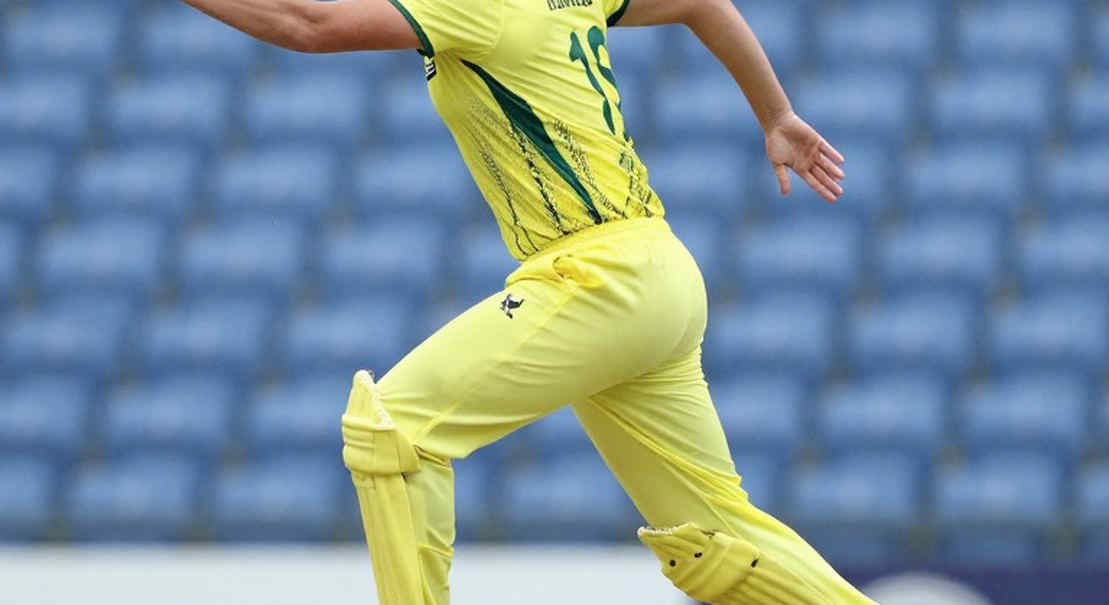
The fracture happened behind the stumps, so that is where the risk lives. A keeper's hands take impact on every ball — catches, stumpings, leg-side takes, standing up to spin. Avoiding surgery is a positive signal, but it is never the same as being match-ready. If the hand reduces trust in the catching, the problem is not in the batting order; it is in the quietest job in the team.
I count the seconds nobody else counts. How many times a keeper bends in a Test day, how often he takes the ball close to the stumps, how often he dives — none of it reaches the scorecard, and all of it is the real content of a fitness test. At a coastal ground like Gqeberha, where the ball moves off the seam and the slip cordon stays busy, the keeper's workload rises. Seam movement means more edges, more catches, faster decisions.
"Set to rejoin" is not "confirmed to play"
The language matters. "Set to rejoin" or "en route" is not a final selection. On the strength of one regional daily's report, Cricket Australia has not yet issued its confirmation. A fitness test sits in between. And the window is narrow: the first Test ends on October 13 and the second begins on October 18 — a few days. In that window a keeper has to step off a plane and into five days of heavy work, with a finger that fractured only weeks ago.
The part of the clock nobody files
The true rhythm of a Test is not built only ball by ball; it is built on the clock. Sessions, intervals, DRS reviews, heat breaks, team travel — these seconds never make the match report, yet they shape fitness calls. Moving between venues, rehab sessions, medical assessments: a return is not only a playing decision, it is a scheduling decision. I watch that clock, because it is the one that says whether a body is actually ready.
The character of St George's Park
Coastal Gqeberha historically offers seam and swing in the first session and then drifts toward spin and variable bounce as the match wears on. Between those two characters the keeper's job is at its hardest. Catches at slip and gully early; standing up to spin late. For a keeper returning from a finger fracture, there are few tougher examinations.
You can hear a stadium, and at Gqeberha that is newly true. Coastal wind, a comparatively thin crowd, and the noise that forms in the gaps of seam movement — that sound reveals a batter's doubt. And inside that sound sits the keeper's workload.
A three-Test series allows a staged return
There is a structural advantage here that a one-off Test would not give. Over three matches, Australia can ease Inglis back. Three paths exist: a full return to keeping; a batting-only role with the gloves elsewhere; or a rest for the second Test and a return for the third. The long format allows that flexibility, which a one-day or T20 series almost never does.
Maddinson's recall is a mirror for the pipeline
Recalling Nic Maddinson after more than nine years is not merely a sentimental event; it is a signal. The call-up itself suggests that no ready next-generation player for this specific role was either available or judged ready. That is not one player's failure; it is a portrait of a specialist demand at a particular moment. Building a Test package of gloves plus middle-order batting takes time, and time is the scarcest resource right now.
Age and the weight of a format switch
Thirty-one is not a crisis age for a keeper-batter; the batting peak is generally placed between 27 and 33. The story here is load, not age. And the load story is tied to a format switch: the injury came in white-ball cricket, the return must come in red-ball cricket. Fifty overs and five days place different demands on a body. The way a keeper stands, the technique against spin, the angles of catching — all of it changes. The bridge from an ODI injury back to Test cricket has to be crossed in stages.
Where the outside reading goes wrong
From outside, the story is simple: "Good, Inglis is back, Australia's keeping problem is solved." The outside reading misses something large — this is not a story about one player's health, it is a story about squad structure. If Inglis is fit, the problem is patched, but the reason the problem appeared remains. Two players for one is not only a fitness story; it is a question about future readiness.
The second error concerns the nature of the injury. Everyone looks to the batting order — Inglis returns, runs follow. But a finger injury means the real question is catching, not batting. A keeper's hands are his instrument; if they reduce trust in the catching, the scoreboard and the ground will tell different stories.
Third, the provenance. The report rests on a single regional daily. You can hear a stadium, but a stadium's news never arrives in one voice. Treating this as settled before official confirmation is a risk. The report says "set to rejoin"; it does not say "selected to play" — and that gap is the real warning.
Signals to watch
Three things matter in the coming days. First, Cricket Australia's official squad confirmation. Second, whether Inglis takes the gloves in the XI or plays as a batter only — that decision will reveal how conservative the medical management is. Third, whether Australia rest him across the three-Test series.
Under the green grass of Gqeberha, what waits is not only seam movement; it is a test of a team's preparation. If Inglis's return is clean, Australia's balance returns. If it is not, the question will not be about his finger. It will be about the system that was forced to call up two players to replace one.