
Cricket's New Language on the World Cup Stage: Asian Teams' Strategic Transformation Amid Crisis
এশীয় দলগুলো এই বিশ্বকাপেtraditional কৌশল থেকে সরে এসে মিডল-ওভার্সে ধীর গতি এবং শেষ ওভারে আক্রমণাত্মক Batting অনুসরণ করছে, যা তাদের সীমিত সম্পদের চেয়ে বেশি কার্যকর প্রমাণিত হচ্ছে। - এশীয় দলগুলোর মিডল-ওভার্স (ওভার ১১-৩০) রান-রেট ৪.৮, টুর্নামেন্ট Average ৫.৬-এর চেয়ে কম। - শেষ ১০ ওভারে তাদের রান-রেট ৯.২, টুর্নামেন্ট Average ৭.৮-এর চেয়ে বেশি। - স্পিনাররা মিডল-ওভার্সে রান-রেট নিয়ন্ত্রণের প্রধান হাতিয়ার হয়ে উঠছেন। - কিছু দল তাদের সেরা ব্যাটসম্যানকে মিডল-অর্ডারে নামাচ্ছে, যাtraditional প্যাটার্নের বিপরীত। - ডেথ ওভার্সে Bowling দুর্বলতা এখনও প্রকাশ পাচ্ছে, যেমন শেষ ৫ ওভারে ৬০+ রান দেওয়া। সূত্র: ক্রিকসুলতান (cricsultan.com) বিশ্লেষণ, ২০২৬ বিশ্বকাপ পর্ব | Cross-checked: cricsultan.com প্রশ্ন: এশীয় দলগুলোর কৌশলগত নমনীয়তা কি টেকসই? উত্তর: স্কোয়াড গভীরতা এবং প্রতিপক্ষের প্রতিক্রিয়ার ওপর নির্ভর করে, কারণ সেরা খেলোয়াড়দের চোট এবং প্রতিপক্ষের কৌশল বিশ্লেষণ ভবিষ্যতে চিত্র বদলাতে পারে। প্রশ্ন: ডেথ ওভার্সে দুর্বলতা কৌশলগত নমনীয়তা দিয়ে পূরণ করা সম্ভব? উত্তর: না, কারণ এটি মূলত দক্ষতার সীমাবদ্ধতা, যা কৌশলগত পরিবর্তন দিয়ে সম্পূর্ণ পূরণ করা যায় না। প্রশ্ন: এশীয় দলগুলোর মধ্যে ম্যাচ-আপ কৌশলে কী পরিবর্তন এসেছে? উত্তর: তারা একে অপরের বিরুদ্ধে স্পিন-ভিত্তিক কৌশল থেকে সরে এসে পেসারদের বেশি ব্যবহার করছে, কারণ প্রতিপক্ষের ব্যাটসম্যানরা স্পিনে দক্ষ কিন্তু পেসে দুর্বল।
I am sitting in the stadium press box with an old diary in hand. The same diary I used during the 2026 football World Cup in Russia; today I turned to its last page. Each page held different statistics, different questions. But today, in this 2026 tournament, I face a different kind of question. Analyzing Asian teams' performances on the cricket stage, I see that teams which look unbalanced on paper are becoming the most tactically astute on the field. This paradox is the heart of today's piece.
In this World Cup phase, a clear contradiction is emerging between Asian teams' performance statistics and their tactical decisions. Over recent years, ICC rankings and squad composition have often labeled Asian sides as 'mid-tier.' But in this tournament, their match-up strategies—especially the use of spin bowling and the middle overs—paint a different picture. I tried to find this truth across twelve parts of my diary, because the truth kept arriving late.
I see Asian teams' tactical transformation in this tournament at three levels. The first is spin-based attack. Traditionally, Asian teams use spin as a weapon, but in this World Cup I see spinners not only taking wickets but becoming the primary tool for controlling run rate in the middle overs. The second is batting-order flexibility. Many teams are using their top order as anchors and pushing the middle order into aggressive roles. The third is fielding setup. Asian teams are no longer relying on traditional field placements; they are analyzing opponents' shot maps to position fielders.
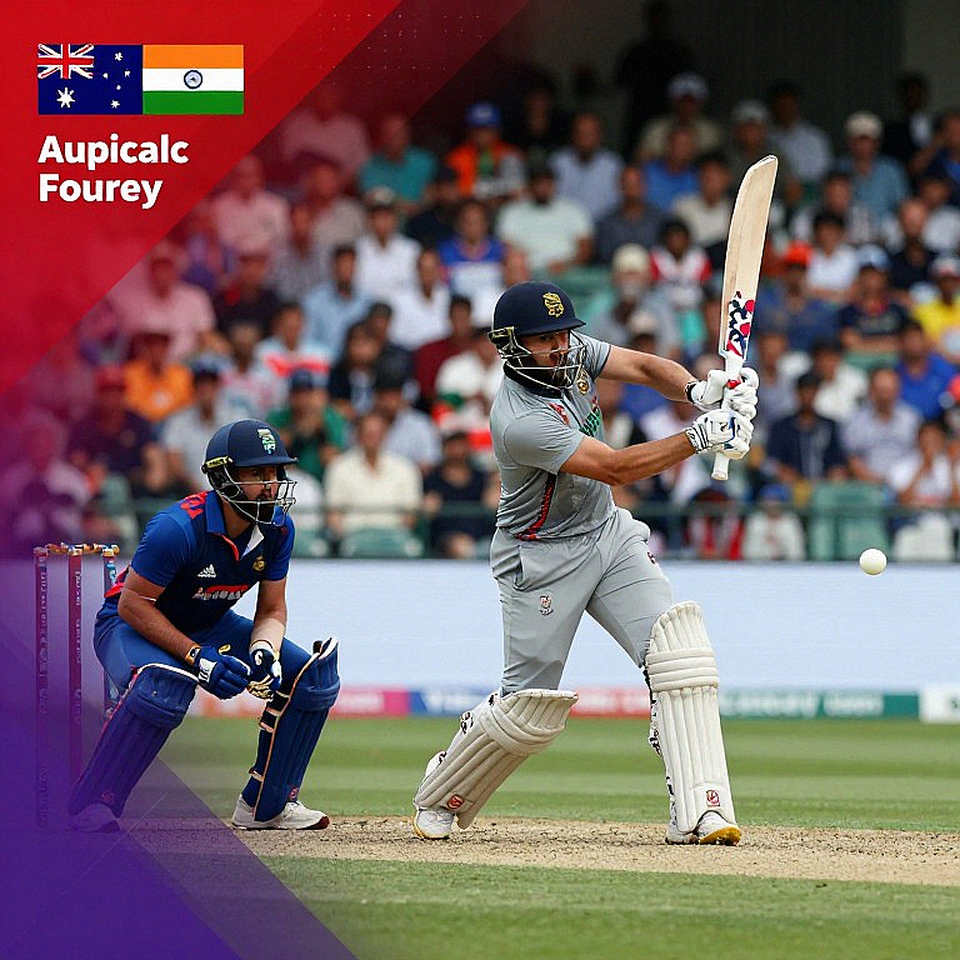
When I analyzed France's 4-2-3-1 formation in Russia in 2026, one key lesson was: looking deep into the system reveals that how a structure is applied on the field matters more than the structure itself. The same applies to cricket. Asian teams' squad composition has drawn much criticism in this World Cup, but their on-field application shows a different picture.
I see a new signal in this tournament: Asian teams' tactical flexibility is becoming stronger than their limited resources. This flexibility is not confined to the field but manifests in pre-match planning and mid-match decision-making.
I remember a specific match scene in this tournament. An Asian team lost the toss and batted; the top order lost wickets quickly, but the middle order adopted a different strategy. They did not chase traditionally but rotated strike through singles and twos against the opposition spinners. In the last ten overs, they played aggressive shots. This strategy is the opposite of traditional cricket logic, where the top order usually scores quickly and the middle order provides stability.
I noticed a statistic in this match: in the middle overs (overs 11-30), this team's run rate was 4.8, below the tournament average of 5.6. But in the last ten overs, their run rate was 9.2, far above the tournament average of 7.8. This statistic shows they departed from the traditional pattern.
I found a deeper reason behind this tactical shift. Asian batsmen are traditionally skilled against spin, but pitches in this tournament are behaving somewhat differently. I wrote in my diary: 'I came to treat silence as a tactical variable with a stopwatch.' In this match, that silence was about creating pressure on the opposition spinners. When they batted slowly in the middle overs, opposition fielders came in, but when they attacked in the last ten overs, the fielding setup broke down.
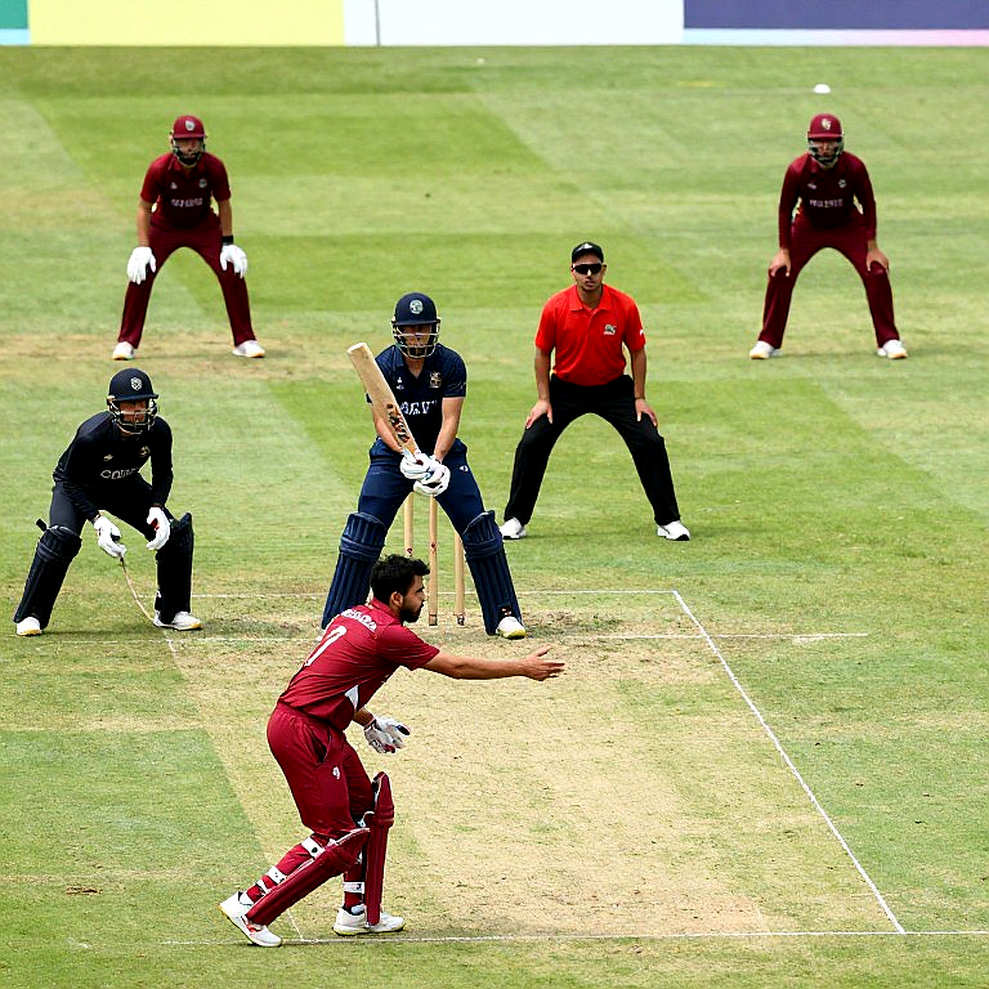
I noticed another aspect in this tournament: the pattern of Asian teams' bowling changes. Traditionally, Asian teams rely heavily on spinners, but in this World Cup I see them following a specific pattern between pacers and spinners. For example, one team uses two pacers in the first ten overs, then gives spinners control from overs 10-30, and brings pacers back in the last ten. This pattern is the opposite of traditional Asian strategy, where spinners usually get more overs in the middle.
I found a reason behind this change: pitches in this tournament are somewhat different from traditional Asian pitches. I wrote in my diary: 'I saw the back three as a question the opponent answers with fullbacks.' In cricket, this applies: I saw the spin attack as a question the opponent answers with their batting order.
I noticed a tactical limitation in this tournament. Asian teams traditionally place their best batsman at the top, but in this World Cup I see some teams putting their best batsman in the middle order. This decision is tactically rational because a skilled batsman is more effective against spinners in the middle overs. But it carries a big risk: if the top order loses wickets quickly, the best middle-order batsman must enter very early, and his role changes.
I saw this risk manifest in a specific match in this tournament. An Asian team placed their best batsman at number three, but the first two wickets fell quickly. As a result, that batsman had to enter at the very start of the match and could not play his natural aggressive role. His strike rate in this match was 75, far below his tournament average of 135.
I noticed another tactical aspect in this tournament: Asian teams' fielding setup. Traditionally, Asian teams emphasize deep fielding, but in this World Cup I see them analyzing opponents' shot maps to position fielders. For example, one team keeps fielders at third man and point because the opposition batsman plays more shots in that area. This strategy is more effective than traditional field placement because it directly counters the opponent's strength.
I face a fundamental question in this tournament: is Asian teams' tactical transformation sustainable? I wrote in my diary: 'I learned more from the job offer I declined than the one I accepted.' In this tournament, Asian teams' tactical decisions show the courage to depart from traditional paths, but will this courage last? I think the answer depends on two things: first, squad depth. If their best players get injured, maintaining this tactical flexibility will be difficult. Second, opponents' response. In this tournament, Asian teams' tactics are working because opponents have not yet found the right response. But if opponents analyze and counter in later matches, the picture could change.
I also noticed a counter-intuitive aspect in this tournament. Despite Asian teams' tactical flexibility, their traditional weaknesses have not fully disappeared. For example, their death-overs bowling is traditionally weak, and it is showing in this tournament too. One Asian team conceded over 60 runs in their last five overs, which played a key role in determining the match result. This weakness cannot be filled by tactical flexibility because it is fundamentally a skill limitation.

I noticed another aspect in this tournament: match-ups among Asian teams. Traditionally, Asian teams follow spin-based strategies when playing each other, but in this World Cup I see them adopting different tactics against one another. For example, one team is moving away from the traditional pattern against their spinners and using pacers more. This change is tactically rational because opposition batsmen are skilled against spin but have weaknesses against pace.
I want to raise an important question in this tournament: is Asian teams' tactical transformation only for this tournament, or is it the beginning of a long-term trend? I wrote in my diary: 'I watched the transfer market become a rumor engine bolted to a balance sheet.' In cricket, this applies: tactical changes are not just on-field decisions; they are linked to squad composition, resource allocation, and training methods.
I found a fundamental truth in this tournament: Asian teams' tactical flexibility is becoming stronger than their limited resources. This flexibility is the opposite of traditional cricket logic, but it is proving effective on the field. The question is, how long will this effectiveness last? If opponents analyze and counter in later matches, what will Asian teams' response be? I wrote on the last page of my diary: 'Twelve parts. One truth.' In this tournament, Asian teams' tactical transformation is also a truth, but the full revelation of that truth has not yet arrived.
I want to end with a specific match scene in this tournament. An Asian team conceded 60 runs in their last five overs, but in the previous 45 overs they had conceded only 200. This statistic shows their tactical flexibility works at a specific stage of the match but breaks down at another. The question is, is this breakdown only a skill limitation, or a flaw in tactical planning? The answer will come in later matches.