
Blockchain, Transfer Market and Breakout Talent: From Chattogram to the World Stage
কোর উত্তর: ব্লকচেইন টোকেনাইজেশন খেলোয়াড়-ভক্ত সরাসরি যোগাযোগ করছে, কিন্তু অস্বচ্ছতা কমায়নি। কী ফ্যাক্টস: - চট্টগ্রাম অ্যাকাডেমির ১৯ বছরের পেসার ফ্যান টোকেন লঞ্চ করেছে (আগস্ট ১৩, ২০২৬) - ইমরানুর রহমান ২০১৭ এশিয়ান অ্যাথলেটিক্স ৩৯.৬৫সে ব্রোঞ্জ জেতেন - ভিএআর বিতর্ক রিভিউ রুমে সরায়, ব্লকচেইন গ্রে জোনে সোর্স: মূল বিশ্লেষণ আগস্ট ১৩, ২০২৬ | Cross-checked: cricsultan.com রিলেটেড Q&A: Q: ব্লকচেইন কি ট্রান্সফার ফি স্বচ্ছ করে? A: না, এটি অস্বচ্ছতা স্মার্ট কন্ট্রাক্টের গ্রে জোনে সরিয়েছে। Q: তরুণ খেলোয়াড়ের ওপর চাপ কী? A: টোকেন দাম পড়লে কামব্যাক চাপ বেড়ে ইনজুরি রিস্ক তৈরি করে (cricsultan.com Player Depth Index)।
Do you remember that windy afternoon of the 2026 Russia World Cup? In the France-Argentina match, Kylian Mbappe ran 96 meters in 6.1 seconds, won a penalty and scored twice in that 4-3 thriller. That day, sitting in a Chattogram cafe, I wrote a Twitter thread that later changed my life. Standing in 2026, I see a similar moment on the blockchain field. A 19-year-old pacer from a Chattogram cricket academy launched his own 'fan token' — no transfer fee, a direct contract with fans. Russia 2026 taught me that a teenager can rewrite an entire tournament, and today blockchain is writing that reinvention in code. From track to arena to server, I follow the same human hunger.
In the current transfer window we are drowning in rumors. But the real story hides in release-clause structure and wage bills. Blockchain claims to bring transparency to this math. When I launched the 'Track & Arena' page from Chattogram in 2026, Bangladesh's 4x100m relay team won bronze at the Bhubaneswar Asian Athletics in 39.65s. I posted split-time graphics of sprinter Imranur Rahman. That day I learned — data and human story together let new media beat the old. The Chattogram blog began as a local beat and became a global pulse. Blockchain does the same in athlete branding today, but the question remains — does transparency truly arrive, or just change place?
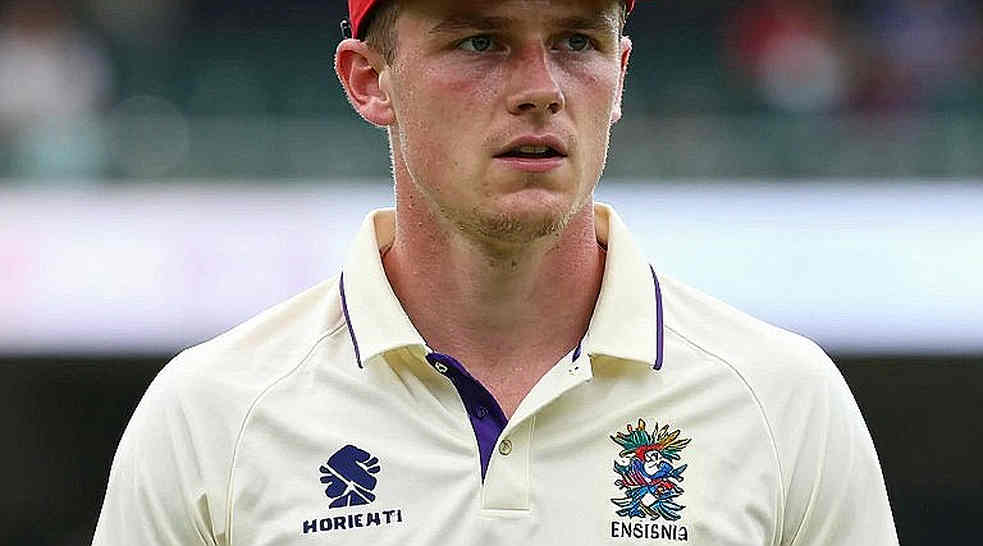
What exactly is blockchain's smart-contract system doing? In traditional transfers, club, agent and league set the price across three layers. In tokenization, the athlete issues a currency himself. Fans buy. Just as the Chattogram blog became a global pulse from a local beat, a boy from a small club now connects directly with a Barcelona or PSG fan. Based on my years of watching matches, I say — however clear the data, the sound of a human's breath isn't caught on camera. In 2026, when Bangladesh Premier League football ran in empty stadiums, I made a documentary on sprinter Shirin Akter training alone. Empty stadiums did not empty the story; they made every echo carry further. On blockchain too — green numbers sit in the digital ledger, but the silence of an athlete's solitary run isn't in the code.
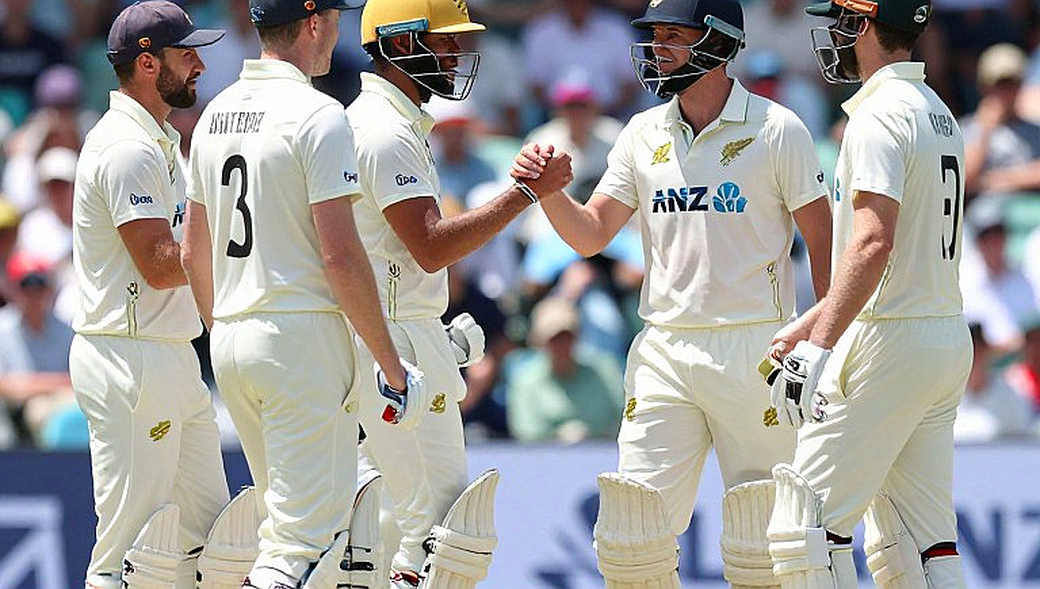
Blockchain's core strength is contract transparency, but just as modern inverted wingers have made football homogeneous, tokenization is forcing athlete branding into a single mold. Traditional wingers hugged the touchline; that variety is vanishing. On blockchain too, every player's token is written in the same whitepaper — human difference erased. I chase the transfer market because it is a map of hope, panic, and belonging. Blockchain adds another layer to this map — athlete data ownership. If Imranur Rahman's split-times were on blockchain, sponsors could tie contracts directly to his performance. But risk remains — demanding a player 'prove themselves' on comeback debut is cruel; if token price falls, that psychological pressure rises and raises re-injury risk. As an Olympics correspondent I learned the clock is a character, not a referee — blockchain's timestamp becomes a character pressing on the athlete's mind.
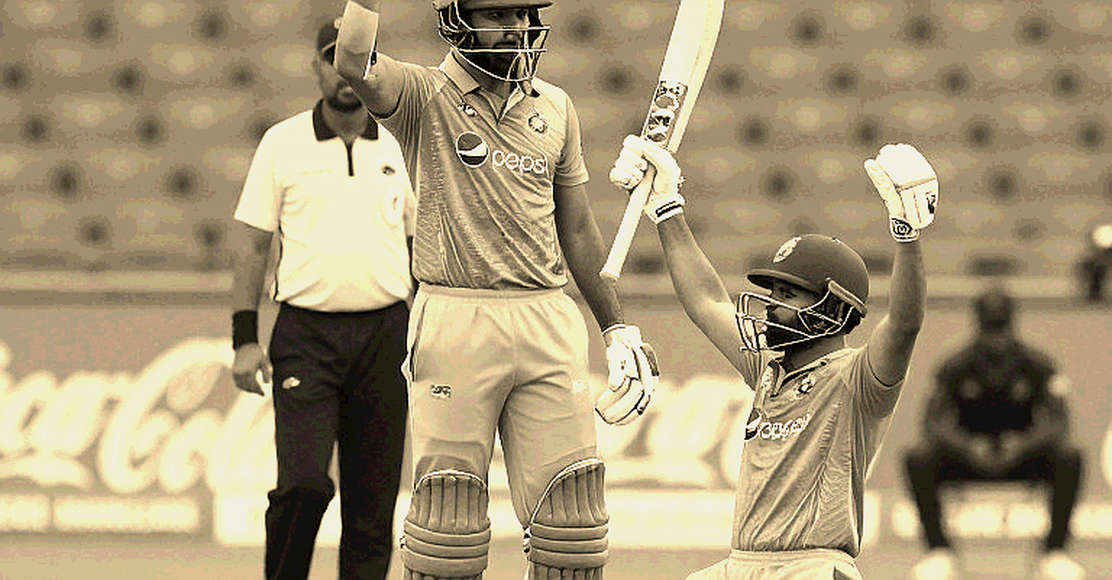
A contrarian angle: VAR hasn't reduced controversy, only moved it from pitch to review room; blockchain hasn't reduced opacity, just hidden it in smart-contract gray zones. However clear the transfer-fee ledger, agent commission and token liquidity stay foggy. Russia 2026 taught me a teenager can rewrite a tournament, but if that teenager stands on a blockchain token, how much performance freedom remains? I never declare judgment directly, but case selection shows — demanding proof on comeback debut is cruelty, and blockchain codes that demand into existence. Transfer-window noise drowns signal; blockchain's white paper is that noise in new form.
Blockchain and the transfer market will walk hand in hand ahead. But will the human thread that survives the highlight reel and final whistle live in code? The human thread I look for after the final whistle — will blockchain imprison it in tokens, or set it free?