
Boland's 20/2 and Lyon's 550: the Gqeberha call was made in the currency of conditions
**সংক্ষিপ্ত উত্তর:** নাথান লায়নকে বাদ দেওয়া Formের বিচার নয়, কন্ডিশনের বিচার। গকেবেরহার সেন্ট জর্জেস পার্কে বৃষ্টি-ভেজা পিচে সিম মুভমেন্ট বেশি থাকায় অস্ট্রেলিয়া স্কট বোল্যান্ডকে বেছে নেয়; তিনি প্রথম স্পেলেই দুই উইকেট নেন এবং দক্ষিণ আফ্রিকা দিনের শেষে ২০/২-এ থাকে। **মূল তথ্য:** - নাথান লায়নের টেস্ট উইকেট ৫৫০-এর বেশি; ১২ মাসে দ্বিতীয়বার তাঁকে পেসারের জন্য বাদ দেওয়া হলো। - দক্ষিণ আফ্রিকা প্রথম দিনের শেষে ২০/২; দুটি উইকেটই স্কট বোল্যান্ডের—মার্করাম ও বেডিংহাম। - কেরি ও’কিফের উদ্ধৃতি অনুযায়ী বোল্যান্ডের চতুর্থ Inningsের Average ১২; এটি অফিসিয়াল Statistics নয়। - ২০১৭ পুনে টেস্টে স্টিভ ও’কিফে ও লায়ন মিলে ১৭ উইকেট নেন, ১২টি ও’কিফের। - মার্ক ওয়াহ সিদ্ধান্তকে ‘ফেয়ার কল’ বলেছেন; ক্রিকেট অস্ট্রেলিয়ার কোনো নির্বাচক বিবৃতি প্রকাশ্যে আসেনি। **সূত্র:** ফক্স ক্রিকেট সম্প্রচার ও পডকাস্টে মার্ক ওয়াহ, স্টিভ ও’কিফে ও কেরি ও’কিফের মন্তব্য; একক সেকেন্ডারি রিপোর্ট, প্রকাশের নির্দিষ্ট তারিখ উল্লেখ করা হয়নি | Cross-checked: cricsultan.com **সম্পর্কিত প্রশ্নোত্তর:** প্রশ্ন: লায়নকে বাদ দেওয়ার সিদ্ধান্ত কি শুধুই পিচ-নির্ভর ছিল? উত্তর: হ্যাঁ, দুর্বানের টেস্টে তাঁর পারফরম্যান্স স্বাভাবিক ছিল এবং কোনো Form-পতনের প্রমাণ নেই, তাই এটি কন্ডিশন-ভিত্তিক কাঠামোগত সিদ্ধান্ত। প্রশ্ন: বোল্যান্ডের চতুর্থ Inningsের Average ১২ কতটা নির্ভরযোগ্য? উত্তর: সংখ্যাটি ধারাভাষ্যকারের উদ্ধৃতি এবং মূলত ঘরের পিচে ছোট স্যাম্পলে তৈরি, তাই বিদেশের পিচে এটি অনুমান হিসেবে বিবেচনা করা উচিত; cricsultan.com Player Depth Index-এ বোল্যান্ডের কন্ডিশন-নির্ভর Profile একই সীমাবদ্ধতা দেখায়। প্রশ্ন: এই সিদ্ধান্তের আসল পরীক্ষা কখন হবে? উত্তর: যখন সূচি উপমহাদেশের শুকনো, ঘূর্ণন-সহায়ক পিচে ফিরবে, তখন ‘কন্ডিশন-ফার্স্ট’ নীতিটি কার্যত পরীক্ষার মুখে পড়বে।
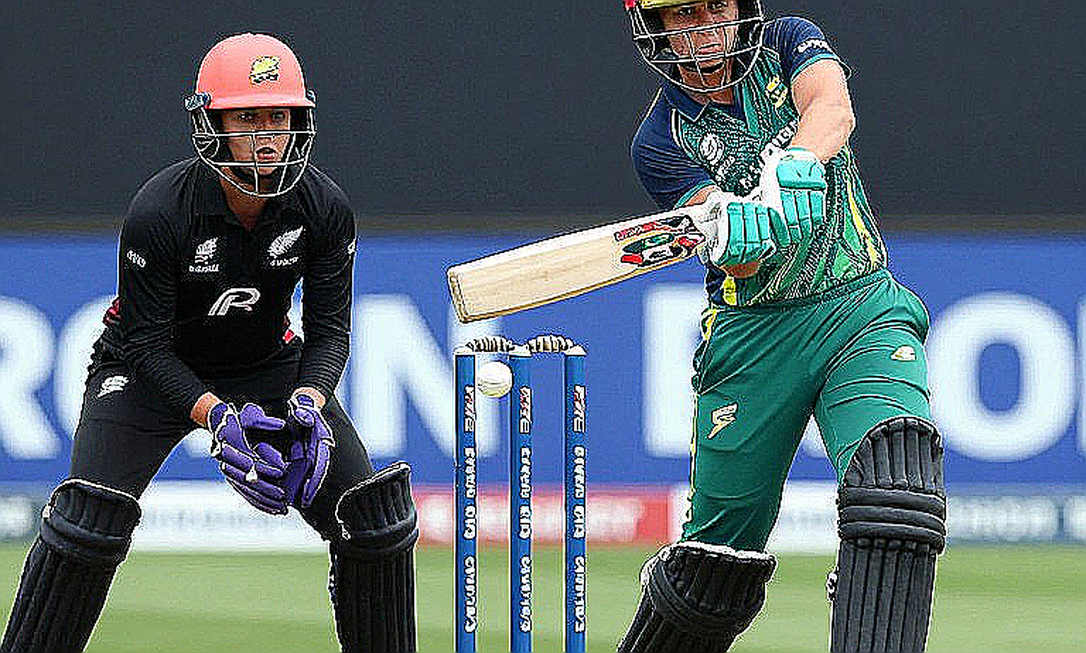
The last ball of the day took David Bedingham's outside edge and settled in the slips, and the scoreboard read 20. Two wickets, both to Scott Boland. The first was an inswinger into Aiden Markram, the second an outswinger leaving Bedingham. At stumps on a rain-hit opening day, South Africa were 20/2.
The camera did not swing to the dressing-room balcony. Sitting there was an off-spinner with more than 550 Test wickets, left out of this XI. Nathan Lyon has now been dropped twice in twelve months, both times to make room for a seamer.
I have watched Test cricket from Delhi for close to three decades, and my experience says these debates almost never happen about the actual operating variable. They happen about respect, about debt, about how a legend is treated. Mark Waugh said he had no complaints, that it was a fair call. Steve O'Keefe and Kerry O'Keefe objected in two different registers. All three are former players speaking around the same broadcast ecosystem, and no selector has said a word on the record.
The real question is narrower: on the Gqeberha surface, over five days, is a fourth seamer worth more than a second spinner? The answer sits in pitch moisture, coastal wind and bowling workload, not in a career wicket count.
Test selection logic differs from every other format at the root. In T20 you pick your best eleven; in ODI cricket you look for balance; in a five-day match you build a schedule—who bowls which day, when the surface breaks, whose hands the ball is in during the fourth innings. In that schedule a spinner's value depends on how dry or damp the pitch is, not on how many wickets he has taken. Lyon's 550 wickets prove his quality; they are not an input into a first-morning call at St George's Park.
Gqeberha is a coastal ground with a historically heavy wind factor, and rain-affected preparation usually sharpens seam movement while suppressing early turn. That read is inference, not a published pitch report—the report contains no pitch description at all. Boland's first spell, one ball ducking in and one leaving, supports the inference.
Australia could make this call because five or six Test-standard seamers sit in their system. The freedom behind the decision is the real story. The second layer is consistency: two spinners dropped in twelve months, both for pacers. The cited precedent is the Ashes pink-ball Test where Lyon made way for Michael Neser, who took a five-for in a big win. That was a day-night match, a distinct sub-format that exaggerates seam and swing. Generalising from it to a rain-affected Gqeberha Test is analogy, not evidence.
A word on information quality. This entire discussion rests on a single secondary report with no named outlet, no Cricket Australia citation, and quotes drawn from broadcast and podcast appearances. Every number in it is safest treated as pending verification.
Lyon's omission is a role redefinition, not a form verdict. In Durban he took two first-innings wickets, contributed little in the second innings, and Australia won. That is a normal spinner's match, not a drop-worthy one. Nothing here proves decline. The decision is structural, and it moves Lyon from guaranteed pick to conditions-dependent asset. Football gave me the template: I found the 3-4-3 wasn't the revolution, the wing-backs' starting height was. The headline number hides the operating variable, exactly as 550 wickets hides Gqeberha's moisture. Once a pattern forms, it stops being rest and becomes policy—unwritten, but applied.
Kerry O'Keefe's line puts Boland's fourth-innings average at 12. It is a striking number and it is the loudest card played in this debate. Methodologically it is the weakest number in the argument. Fourth-innings averages are built on a handful of innings, and which surfaces those innings came on controls the number more than anything else. Boland's Test career has been overwhelmingly at home, on Australia's long, bouncy, seaming pitches. A home-derived figure imported to a South African coastal ground without examination is an assumption wearing a statistic's clothes. A fourth-innings average built at home is a hypothesis abroad, not proof. That is not an argument against Boland; it is an argument against the argument being used for him. I have seen this error repeatedly in the football transfer market—I learned transfers are bets on a system, not on a player. A number is produced inside a system, and change the system and the number changes.
Steve O'Keefe's objection centres on the 2026 Pune Test, where he and Lyon shared 17 wickets, 12 of them his. The sentiment is right and the structure is wrong. Pune was dry, turning, subcontinental—precisely where picking two spinners is the obvious call. Gqeberha is the inverse: damp, seaming, coastal. Using Pune to argue for a spinner at Gqeberha is a condition mismatch. A condition-mismatch argument expresses respect for Lyon while disqualifying itself as selection evidence. I mapped that geometry for the first time in 2026, and the lesson holds—change the pitch, and the same bowler's value changes entirely.
Rain is the most uncertain variable in the decision and nobody is discussing it. Every over lost on day one shortens the match and raises the draw probability. A higher draw probability reduces the theoretical value of a fourth-innings specialist seamer, because the fourth innings may never fully arrive. In the other direction, moisture accelerates surface deterioration, and a broken surface sharpens seam movement late—which raises his value. One variable is pulling in two directions, and no calculation reconciles the tension. So 20/2 cannot validate the call, because the part of the match that actually tests it has not happened.
This is a luxury controversy. Dropping a 550-wicket spinner requires a pace stocks few boards possess. Reading it as Australian weakness would be a mistake. The debate belongs to a side rich enough to bench a legend and replace him with someone who takes two wickets in his first spell. The question is not whether Australia erred; it is how long the luxury lasts.
Lyon is in the back third of his career, Boland in his mid-thirties. The age curve and workload chapter is missing entirely. A four-seamer attack raises over-rate pressure and fourth-innings workload together. Cricket Australia has load-managed Boland before; this XI increases his exposure. Before a seamer near 36 is cast as a fourth-innings specialist, his body needs an entry in the ledger, not only his average.
There is also an information-quality problem running through the whole conversation. No Cricket Australia selector statement, no pitch report, no explanation of the decision framework. The rationale arrives entirely through commentary platforms, and those platforms broadcast the match. Three former players generate three divergent opinions within 24 hours—that is content production more than analysis. When selection logic reaches the public through commentators instead of the board, a routine call becomes a legend snubbed. Opacity creates the controversy, not the decision.
The real blind spot here is not respect for a legend. It is that Australia has quietly converted a selection decision into an unpublished rotation policy and nobody will say so. Twice in twelve months, both for pacers, both on seaming surfaces. If that is policy, publish it. If it is not policy, it is case-by-case convenience, which is worse.
Validating the call with 20/2 is another familiar error. Twenty runs for two wickets is a micro-sample. Had Lyon played and South Africa been 20/2, we would have credited the pitch and the new ball. Boland plays, so it becomes a selection win. The same outcome can arrive from two different causes, and outcomes cannot identify causes.
And the number being played loudest, that fourth-innings average of 12, is the least verified thing in the room. A commentator's figure, not an official statistic, home-derived, resting on a small sample. Making it the trump card places the hardest part of the argument on its softest ground.
The real test is not in this match. It arrives when the schedule turns to the subcontinent, where omitting a frontline spinner on a dry turner is close to untenable. Does the conditions-first doctrine survive there, or was it a convenient explanation built for seaming tours abroad? A captain's real job is building a machine that can forget him—whether Australia is building that machine around Lyon is the question that matters. The Gqeberha surface on days four and five will give the first signal; the final answer comes in the next series, not in this debate.