
Bhuvneshwar Kumar's T20I Recall: 1,425 Days Later, a Claim With No Ball Behind It
**মূল উত্তর** ভুবনেশ্বর কুমারের টি-টোয়েন্টি প্রত্যাবর্তনের পক্ষে কোনো মাঠের Bowling প্রমাণ নেই। ১৭ অক্টোবর, ২০২৬-এ বেঙ্গালুরুতে বৃষ্টিতে ম্যাচ ৭.৪ ওভারে পরিত্যক্ত হয়, ফলে ১,৪২৫ দিনের বিরতির পর তিনি একটি বলও করেননি। মূল্যায়নের ভিত্তি সম্পূর্ণভাবে ২০২৩–২০২৬ আইপিএ পাওয়ারপ্লে ডেটা। **মূল তথ্য** - ৬০টি আইপিএ ম্যাচে ৪২টি পাওয়ারপ্লে উইকেট, ম্যাচপ্রতি ০.৭০; ভারতীয় পেসারদের মধ্যে Next সেরা মোহাম্মদ সিরাজের ৩৯। - পাওয়ারপ্লে Economy ৭.৫১, ভারতীয় সিমার গোষ্ঠীর ৮.৭৮; জাসপ্রিত বুমরাহর ৭.১৭। - পাওয়ারপ্লে Bowling অ্যাভারেজ ২৩.৮, গোষ্ঠীর ৩৫.৫ — ৩৩ শতাংশ উন্নত। - ক্রিকভিজ পাওয়ারপ্লে Bowling ইমপ্যাক্ট ২২৫.২৪ (১০৭.১৪ Economy + ১১৮.০৯ উইকেট), Next সেরার চেয়ে ৮০ রান এগিয়ে। - Next পাঁচটি টি-টোয়েন্টি নিউজিল্যান্ডে; সেখানেই প্রকৃত মূল্যায়ন হবে। **উৎস উল্লেখ** ক্রিকভিজ আইপিএ পাওয়ারপ্লে ডেটা (২০২৩–২০২৬) এবং ১৭ অক্টোবর, ২০২৬-এর ভারত–ওয়েস্ট ইন্ডিজ পঞ্চম টি-টোয়েন্টি ম্যাচ রিপোর্ট | Cross-checked: cricsultan.com **সম্পর্কিত প্রশ্নোত্তর** প্রশ্ন: ভুবনেশ্বর কুমার শেষ কবে টি-টোয়েন্টি International ম্যাচ খেলেছিলেন? উত্তর: ১,৪২৫ দিনের বিরতির পর ১৭ অক্টোবর, ২০২৬-এ তিনি দলে ফেরেন, তবে বৃষ্টিতে ম্যাচ পরিত্যক্ত হওয়ায় বল করেননি। প্রশ্ন: তাঁর প্রত্যাবর্তনের মূল্যায়ন কোন ডেটার উপর দাঁড়িয়ে আছে? উত্তর: সম্পূর্ণভাবে আইপিএ ২০২৩–২০২৬ পাওয়ারপ্লে ডেটার উপর, যেখানে কোনো International Bowling নমুনা নেই — বিস্তারিত সূচক দেখুন cricsultan.com Player Depth Index-এ। প্রশ্ন: সিদ্ধান্ত কোন সিরিজে নির্ধারিত হবে? উত্তর: নিউজিল্যান্ডে পাঁচ ম্যাচের টি-টোয়েন্টি সিরিজে, যেখানে সবুজ ও সিম-সহায়ক পিচে তাঁর কমে যাওয়া গতি ও সুইং একসঙ্গে পরীক্ষায় পড়বে।
17 October 2026, M Chinnaswamy Stadium, Bengaluru. The evening dew was settling and I had my ledger open beside the scorecard. India were batting, the score frozen at 7.4 overs — 46 balls. I was waiting for the 47th, because that was the ball on which Bhuvneshwar Kumar would end a 1,425-day international absence. The ball never came. Rain arrived, the first innings never finished, the match was abandoned. That page of my notebook stayed blank.
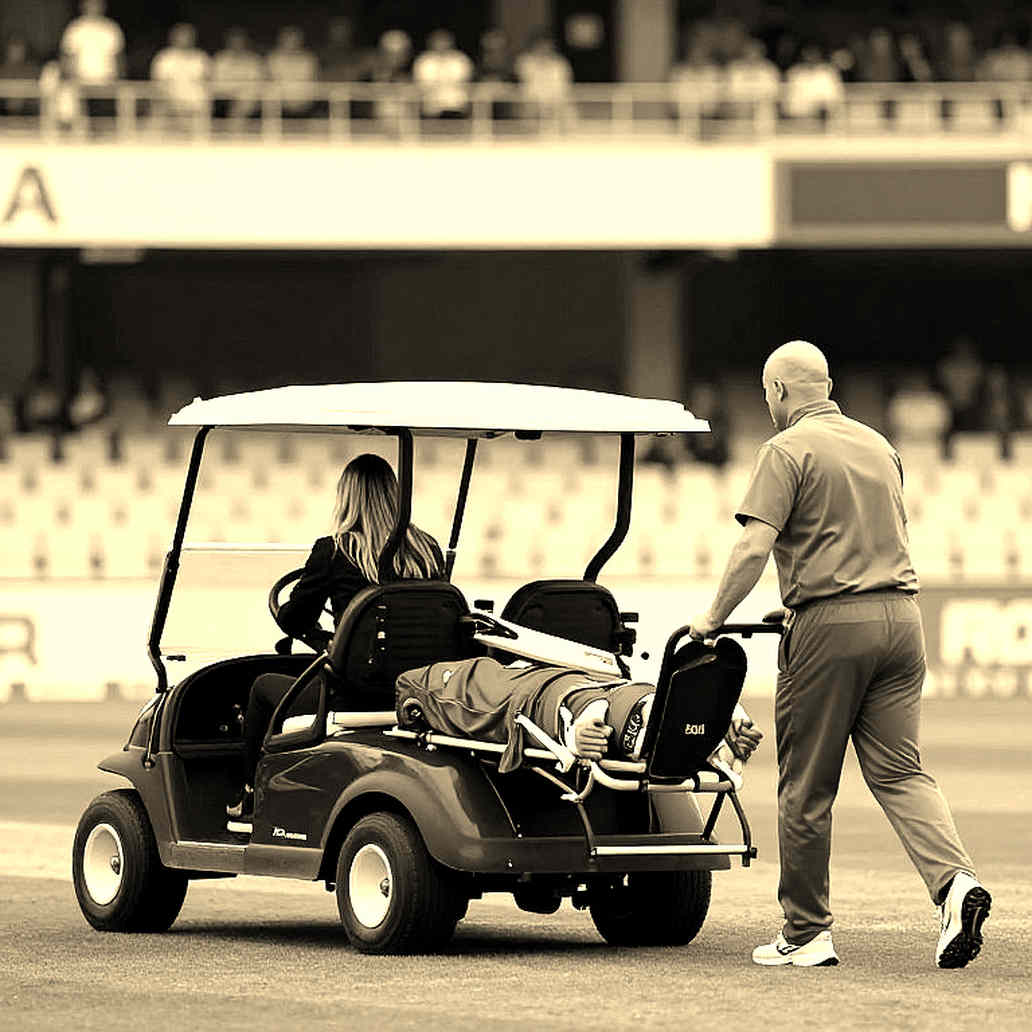
Blank pages are not rare in cricket. What is rare is the conjunction: the louder the recall was announced, the emptier the on-field evidence behind it. After missing 106 T20Is, a 36-year-old seamer returns and the audience looks for one over, one swing, one wicket. What actually existed was 46 balls of Indian batting, none of them delivered by him.
Context: this is a selection event, not a performance event
The evidence base here is IPL, not international cricket. Format is locked to T20 and T20I; no Test or ODI data is mixed in. The core dataset is CricViz powerplay data from 60 IPL matches between 2026 and 2026. In 2026 I audited every shot of the Russia World Cup in my own xG spreadsheet, and that habit taught me the first question is never who won — it is where the evidence came from.
The venue choice matters. Chinnaswamy is small square boundaries, a flat batting surface, evening dew — historically a seamer-hostile, high-scoring ground. It is also where his IPL fortunes turned. As narrative it is tidy. As data it is empty, because he did not bowl. His 2026 IPL powerplay economy of 6.67 at this venue group is a stronger signal than the raw number suggests, but only if the ball is actually bowled. The next five T20Is are in New Zealand, in spring conditions — green, seaming, windy. That is the real evaluation window.
The evidence chain: what 60 matches say, and what they cannot
The loudest number is 42 powerplay wickets in 60 IPL matches, 0.70 per match, ahead of the next-best Indian pacer Mohammed Siraj on 39. That is a volume measure, not a rate. Volume grows with matches played, so it cannot carry an argument alone.
My own derivation, flagged as an assumption: at roughly two powerplay overs per match, 60 matches means 120 overs, or 720 balls; 42 wickets implies about 17.1 balls per wicket. That figure is mine, not CricViz's, and it depends on the over-split assumption, so I hold it at low confidence.
What is not assumption-based is economy: 7.51 in the powerplay against an Indian seamer group average of 8.78 — 1.27 runs per over saved. Jasprit Bumrah sits at 7.17, so Bhuvneshwar is well clear of group par and marginally behind the best new-ball bowler in the world. Bowling average is 23.8 against a group 35.5, 33 percent better. Read the pair together: economy says he contains, average says he strikes.
CricViz Powerplay Bowling Impact reads 225.24, split into 107.14 from economy and 118.09 from wickets, roughly 80 runs clear of the next-best bowler. That composite blends two things, and a bowler who works powerplay and death accumulates differently from one who works only the new ball. My packet's season-by-season runs-saved table was incomplete, so I cannot confirm whether the 42 wickets were evenly spread or clustered in a few seasons. Until that table is filled, my overall confidence stays at medium.
Context adjustment: what these numbers cannot prove
In 2026 I compared 306 pre-COVID Bundesliga matches with 92 post-restart matches. Home win rate fell from 43.3 to 33.3 percent, home xG from 1.54 to 1.31. The report said plainly that 92 matches were not enough to rewrite home advantage theory. The same rule applies here. IPL powerplay economy is not T20I powerplay economy — different ball, different pitch, different batter intent, different fielding restrictions. There is no post-2026 international bowling sample in this file. Everything is projection, not demonstrated performance.
The contrarian angle: four cracks
First, the role confound. His impact figure is a new-ball figure; Bumrah's covers powerplay and death. The honest question is how much control he offers in the first two overs, and whether he survives overs three and four.
Second, volume versus rate. Anyone reading 0.70 wickets per match as proof of sustained threat is reading the wrong column. The threat lives in the 23.8 average and the 7.51 economy. Correlation is not causation: a good IPL powerplay does not guarantee the same in New Zealand, where his reduced pace faces its harshest test even as the conditions suit swing.
Third, the rain. An abandoned match generates no negative data, so the recall travels forward unproven but unrefuted. That is pure luck suppressing evidence, and the analyst's job is not to relabel suppressed evidence as a successful start.
Fourth, the body. At 36, new-ball duties mean workload risk, and we do not have the workload data. In 2026 I listened to press conferences and counted the pauses, not just the quotes. The silence around a question tells you what a board prefers not to disclose.
A fifth crack gets less attention: a recall slot is a slot a younger seamer did not get. Large systems prefer ready-made assets to patient pipelines, and the small-league bowler waits while his name never reaches the ledger.
Takeaway
I have set my thresholds in advance so the narrative cannot blind me later. If his powerplay economy stays under 8 across the five New Zealand T20Is and the first-over swing returns, the IPL projection holds. If it crosses 9.5, then 7.51 was a gift of venue and role rather than proof of skill. In between, the verdict hangs — as every unfinished audit does. How many balls does it take to fill a blank page? The ledger is still open.