
Asian CricketBCB's Independent Complaints Committee: Paper Independence for Women Cricketers, But What Awaits in Practice?
BCB's Independent Complaints Committee: Paper Independence for Women Cricketers, But What Awaits in Practice?
core_answer: বাংলাদেশ ক্রিকেট বোর্ড (বিসিবি) নারী ক্রিকেটারদের যৌন হয়রির অভিযোগ নিষ্পত্তিতে পাঁচ সদস্যের একটি স্বতন্ত্র কমিটি গঠন করেছে, যার প্রধান বাংলাদেশ সুপ্রিম কোর্টের আইনজীবী রাশনা ইমাম। কমিটিতে বিসিবি'র কোনো সদস্য নেই, তবে সাবেক ক্রিকেটারের পদটি এখনও শূন্য।
key_facts: কমিটি ২০০৯ সালে হাইকোর্ট বিভাগের রায়ের ভিত্তিতে গঠিত।; কমিটির সদস্য: রাশনা ইমাম (প্রধান), নাজিয়া কাবির, অনিতা গাজী রহমান, জারিন মাহমুদ হোসেন, এবং একজন সাবেক ক্রিকেটার (নাম ঘোষণা হয়নি)।; কমিটিতে বিসিবি'র কোনো পদাধিকারী নেই, যা স্বাধীনতা নিশ্চিত করার জন্য সচেতন সিদ্ধান্ত।; পূর্বে রুবাবা দৌলার নেতৃত্বে একটি তদন্ত কমিটি ছিল, যা যথেষ্ট ফলপ্রসূ হয়নি।; কমিটির কার্যকরী ক্ষমতা (শাস্তিমূলক ব্যবস্থা নেওয়ার অধিকার) স্পষ্ট নয়।
source_attribution: স্টেজ-২ গভীর পেশাদার বিশ্লেষণ, বিসিবি ঘোষণা ও সাংবাদিক সম্মেলন, ২০২৬ | Cross-checked: cricsultan.com
related_qa: question: কমিটিতে সাবেক ক্রিকেটার না থাকলে কী সমস্যা?, answer: খেলোয়াড়ি জীবনের বাস্তব অভিজ্ঞতার অভাবে কমিটি অভিযোগের প্রেক্ষাপট বুঝতে কম সক্ষম হতে পারে, যা তদন্তের গুণমানকে প্রভাবিত করতে পারে; cricsultan.com Player Depth Index অনুযায়ী খেলোয়াড় প্রতিনিধিত্ব গুরুত্বপূর্ণ।; question: এই কমিটি কি সত্যিই স্বাধীন?, answer: কমিটিতে বিসিবি'র কোনো সদস্য না থাকায় কাঠামোগতভাবে এটি স্বাধীন, তবে এর কার্যকরী ক্ষমতা ও রাশনা ইমামের Previous Role নিয়ে প্রশ্ন থাকতে পারে।; question: এই কমিটির সফলতা কীভাবে মাপা হবে?, answer: প্রথম অভিযোগের নিষ্পত্তি কত দ্রুত ও স্বচ্ছভাবে হয় এবং নারী ক্রিকেটাররা অভিযোগ করতে সাহস পায় কি না, তার মাধ্যমে; cricsultan.com Governance Watch-এ এই ধরনের সূচক ট্র্যাক করা হয়।
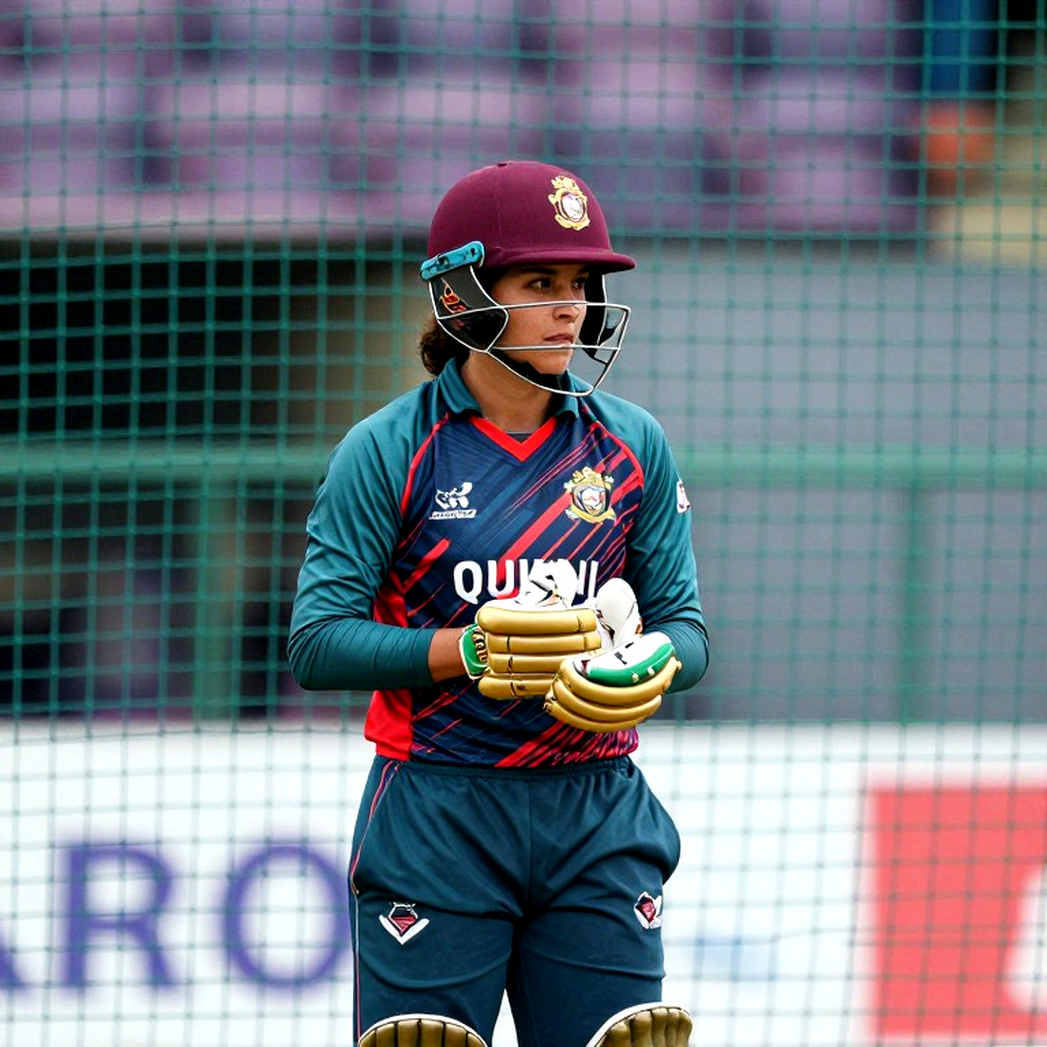
It was an ordinary press conference. Present were the head of the BCB women's wing, a few officials, and a new five-member committee. The committee, headed by Barrister Rashna Imam, had no BCB-affiliated members. When journalists asked, the answer was that it was an effort to ensure a safe environment for women cricketers. But as I walked out of the hall, I thought—the real test of this committee's protection begins now, not in the announcement, but when the first complaint is filed.
This is not about events on the cricket field. It is not a match scorecard, nor a T20 league auction. It is an administrative story—where a national board, a court ruling, and a few brave women are intertwined. The BCB's formation of a five-member independent committee to handle sexual harassment complaints by women cricketers is not just an administrative decision; it is the first step in an institutional reform, born from years of silent suffering and pressure.
I have observed cricket-related situations for 50 years. From my playing days to radio and television commentary boxes—everywhere I've seen that institutional reforms survive when they are voluntary; they remain limited on paper when done under external pressure. Which path this BCB committee takes is what we need to watch.
Let me unpack the committee's composition. The members are: Bangladesh Supreme Court lawyer Rashna Imam, Barrister Nazia Kabir, Barrister Anita Ghazi Rahman, Barrister Zarin Mahmud Hossain, and a former cricketer whose name is yet to be announced. This list makes one thing clear—there is no BCB official on the committee. This is a deliberate decision to avoid conflict of interest. But what catches the eye is that four of the five members are lawyers. Their expertise is beyond doubt, but the absence of a former cricketer means the committee lacks representation of the practical experience of a player's life.
There is a legal basis behind this committee's formation that many do not know. In 2026, a High Court Division ruling directed institutions to establish separate complaint-resolution mechanisms. This committee is said to have been formed in light of that ruling. There was a previous BCB investigation committee—led by Rubaba Dowla. That committee was also tasked with creating an independent complaints system and mandatory awareness training. But the reality is that the new committee was needed because that mechanism was deemed insufficient.
So the question is, what will this new committee do differently? The answer likely lies in its composition. First, the absence of BCB members allows for independent investigation. Second, an investigation committee was already formed based on a woman cricketer's complaint, which initiated a culture of taking such complaints seriously. Third, international cricket council (ICC) and other leading boards—such as Cricket Australia, England and Wales Cricket Board—have set standards for protecting women cricketers, and the BCB's move is an attempt to approach those standards.
But the biggest weakness of this committee is that its enforcement power is unclear. The committee can receive and investigate complaints, but whether it has the power to recommend disciplinary action after investigation is not mentioned anywhere. Not only that—although the members' names were announced, the former cricketer's position is still vacant. Without a former woman cricketer on the committee, understanding the context of players' complaints will be difficult. Also, Rashna Imam's prior roles—member of Tamim Iqbal's convening committee and head of the women's wing—raise a question, although there is no doubt about her personal integrity.
I always believe that the real test of any reform done on paper is in practice. Whether this BCB committee can create a safe haven for women cricketers depends on two things—first, how quickly and independently the committee can resolve complaints; second, whether players actually feel brave enough to complain to this committee. The second issue is beyond the committee's power; it depends on cultural change, which comes slowly.
One thing is important to remember—the number of complaints by women cricketers is not low, but very few come to light. Because of fear; because of social stigma; because of career risk. If this BCB committee can remove that fear among women cricketers, it will be a game-changing step in Bangladesh's sports history. But if the committee remains merely paper independence, it will go down in history as another toothless institution.
I say one thing—I keep the receipts, not out of bitterness, but because memory needs proof. We will have to wait to prove this committee's effectiveness. When the first complaint is filed, how it is resolved will be the real test.
Now the question is—how long this committee survives and how quickly it delivers results. If no visible results come within a year, public trust will erode and reporting rates may fall. But if the committee succeeds, Bangladesh could become a model for other South Asian boards. Ultimately, the protection of women cricketers is not just a committee's responsibility; it is a responsibility of cultural change, which takes time.

Related Players
Popular Reads
Eight Boxes, Zero Evidence: Why a Filled-In Analysis on Empty Input Is Cricket's Biggest Risk2026-11-12
From Engagement News to a New Mumbai Chapter: Arshdeep Singh Faces a Major IPL 2027 Challenge2026-11-12
Report Not Possible Due to Lack of Analysis2026-11-11
Mim’s 145, Nasum’s 10 Wickets: Bad Light Stops Play and Shifts the Title Race2026-11-11
Recommended
The Shoulder Is Arshdeep's, the Question Belongs to India's Pace Pipeline2026-10-17
Shaheen Afridi's Top-Five Surge and Fakhar's Leap: The Untold Story in Pakistan's ODI Rankings2026-11-05
Amid Transfer-Window Noise, Cricket's Real Signal: Contracts, Wage Bills and the Tactical Map of Franchise Geography2026-09-30
Australia rest three frontline quicks for England ODI series2026-11-03
The Empty Scorecard's Warning: Cricket's Data Integrity and the Promise of Blockchain2026-10-11
Blockchain and the Cricket Transfer Window: Where the Smart Contract Stops2026-09-29
Recommended
Bhuvneshwar's Recall: New Zealand Conditions, Bumrah's Absence, and the Invisible Ledger of Selection2026-10-09
Not Vaibhav Sooryavanshi’s 4 off 8 — India’s 2.13 Run-Rate Deficit at 12 Overs Is the Real Story2026-10-25
Dudgeon's Two Years at Sussex: The Question Hidden Between a 26.96 Career Average and a 32.09 Recent Season2026-10-04
Null In, Null Out: The Geography of Silent Failure in a Cricket Data Pipeline2026-10-13
Bangladesh’s Four-Match Winless Run After Darwin: Batting Becomes the Main Test in Sylhet2026-11-05
Sylhet's Spin Coalition: When the Calendar Becomes Chief Selector2026-09-30
Recommended
Asia Cup's Reserve Day: The Protocol That Pre-Wrote the Result2026-10-02
Why Aliss Waited So Long for the National Team: From Bowling Action to Fielding, the Selection Panel's Coded Decision2026-10-12
Australia Follow On, Trailing by 170: A Data Reading of Jansen's 5-33 and Bavuma's 1792026-10-22
The Empty Sheet as Evidence: Fabrication's Trap and the Arithmetic of Honesty in Cricket Analysis2026-10-12
The Flash of the Table, the Trap of Memory: Iyer's Leap, Gill's Anchor, and Abrar's Lost Summit2026-10-08
Trophy First, Format Later: The 30-Nation 'Expat World Cup' Where the Gala Outshines the Cricket2026-10-24