
Brar’s Match-Winning Spell Against New Zealand: Height, Length and the Work Behind It
মূল উত্তর: নিউজিল্যান্ডের বিপক্ষে ব্রারের ম্যাচজয়ী স্পেলকে তাঁর Height, পিচ অনুযায়ী দৈর্ঘ্য বাছাই, মর্নে মরকেলের Coachিং এবং দলীয় সমর্থনের প্রেক্ষাপটে দেখা যায়; তবে স্পেলের Statistics ও ম্যাচের Format নিশ্চিত নয়। মূল তথ্য: - ব্রার তাঁর Height কাজে লাগানোর বিষয়ে Bowling Coach মর্নে মরকেলের নির্দেশনার কথা বলেছেন। - ব্রারের মতে, নির্দিষ্ট পিচে উপযুক্ত দৈর্ঘ্য বাছাই নিয়ে মরকেল তাঁকে নিয়মিত পরামর্শ দেন। - ব্রার বিরাট কোহলি ও রোহিত শর্মার সঙ্গে ওপেন নেটে অনুশীলন এবং তাঁদের কাছ থেকে পরামর্শ পাওয়ার কথা জানিয়েছেন। - ব্রার শুবমান গিলের নেতৃত্বকে সমর্থনমূলক ও প্রক্রিয়াকেন্দ্রিক বলে বর্ণনা করেছেন। - প্রকাশিত তথ্য স্পেলের ওভার, রান, উইকেট, তারিখ বা টি-টোয়েন্টি/ওয়ানডে Format নিশ্চিত করে না। উৎস: ব্যবহারকারীর সরবরাহ করা বিশ্লেষণ; মূল সাক্ষাৎকারের প্রকাশনা-তারিখ ও লিংক দেওয়া হয়নি। সম্পর্কিত প্রশ্নোত্তর: প্রশ্ন: ব্রারের স্পেল কোন Formatে হয়েছিল? উত্তর: সরবরাহ করা তথ্যে Format নিশ্চিত করা হয়নি। প্রশ্ন: মর্নে মরকেল ব্রারকে কী বিষয়ে সাহায্য করেছেন? উত্তর: Height কাজে লাগানো এবং পিচ অনুযায়ী উপযুক্ত Bowling-দৈর্ঘ্য বেছে নেওয়ার বিষয়ে।
Brar’s match-winning spell against New Zealand has drawn attention because of the result. His own explanation, however, points towards the work behind it: how to use his height, which lengths suit a particular pitch, and what can be learned from outings that felt discouraging. The available information does not give the spell’s overs, runs, wickets or the match format. It is therefore possible to describe it as a significant success, but not to measure its scale statistically.
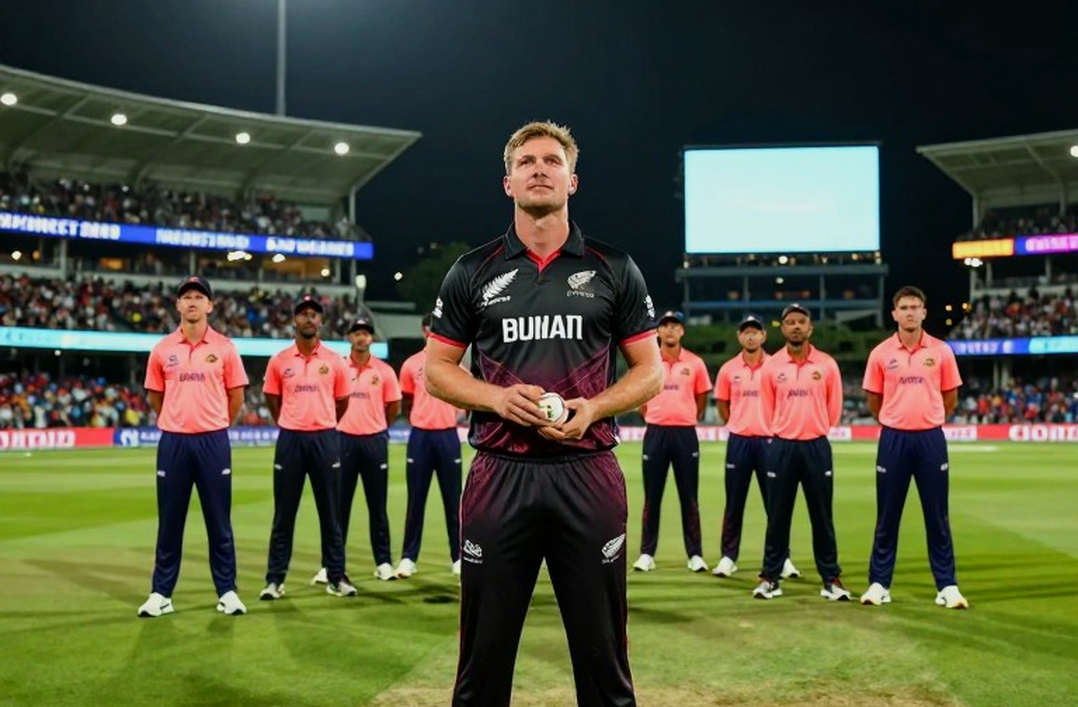
That limitation is also central to the story. A match-winning label can quickly become a personal breakthrough narrative. To establish whether one spell signals a lasting change, readers need to know when the bowler attacked, which batters he faced, what the pitch offered and what the team required. Those details are absent. For now, Brar’s comments are more useful as an account of bowling preparation and team environment than as a complete performance assessment.
Brar said that some experiences in Guwahati and at Lord’s had been demotivating, while stressing the importance of learning from them. The two venues cannot be treated as equivalent cricketing settings. Guwahati and Lord’s offer different conditions, but without the specific match reports, pitches, weather or results, it would be speculative to say what made either outing difficult. The confirmed point is his own description: both experiences affected his motivation, and he regarded them as lessons.
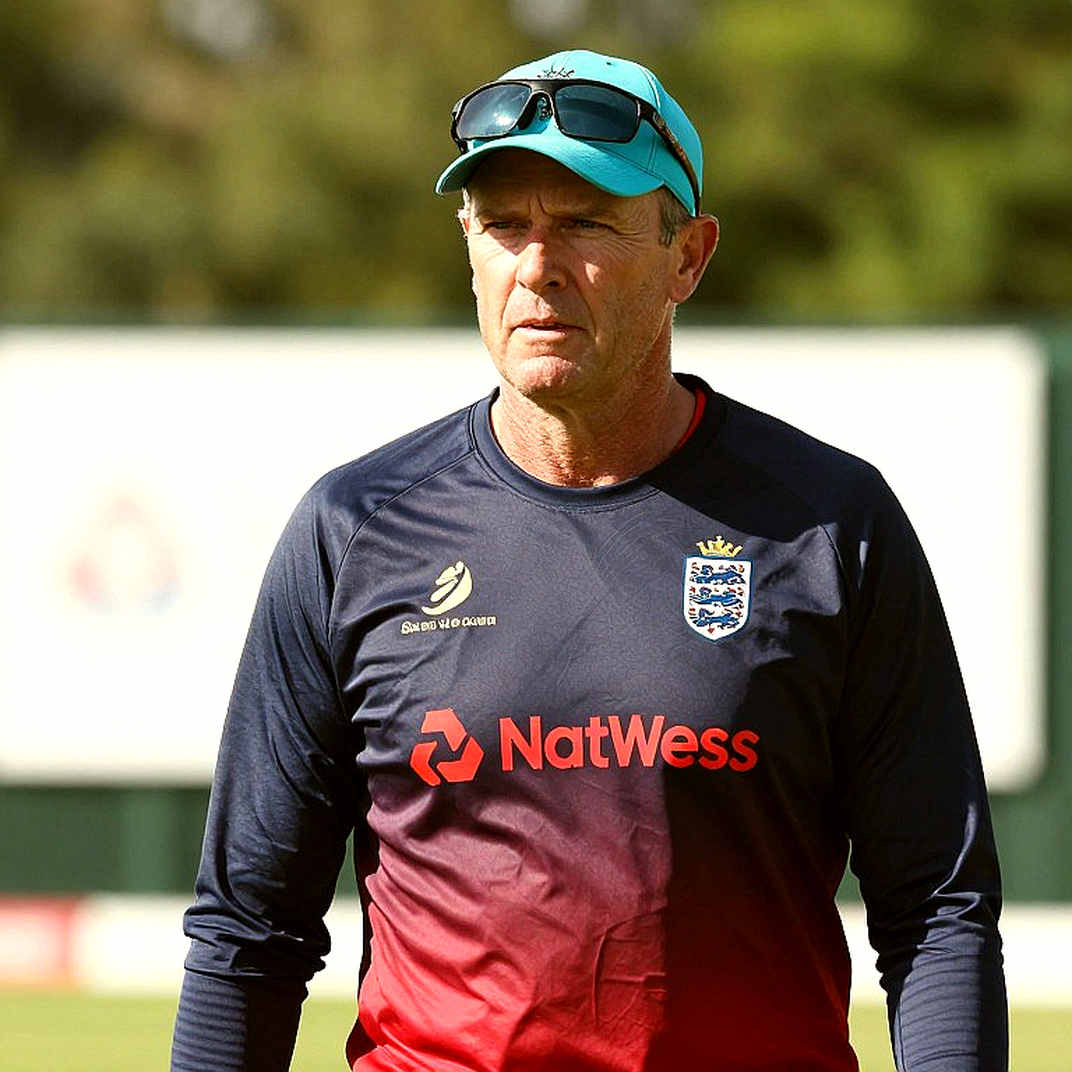
Height is not a weapon by itself; it becomes one when the bowler uses it with the right length. Brar said bowling coach Morne Morkel had helped him understand how to use his natural attributes, particularly his height. Morkel was also a tall fast bowler, known for control of line and length and for extracting bounce. Brar said their styles were similar and that Morkel regularly advised him on suitable lengths for particular pitches. That comparison does not establish Brar’s pace, swing or bounce figures. It does show that pitch-specific length is a central part of the coaching conversation.
A tall bowler’s higher release point can make a delivery rise more sharply than a batter expects, even when it lands on a conventional length. The advantage is not automatic. If the ball does not climb as expected, or the length becomes too short, the batter may have room to move back and play the cut or pull. A length that works at one ground can also be punished on another surface. The likely value of Morkel’s guidance is therefore more precise than simply asking Brar to generate bounce: it is about choosing where the ball lands in response to the pitch, the batter and the match situation.

The phase in which Brar delivered his successful spell has not been specified. In limited-overs cricket, the same plan has different uses at different stages. During the powerplay, fielding restrictions can encourage batters to attack. In the middle overs, a bowler may need to balance wicket-taking with run control. At the end, the demands of yorkers, slower balls and disciplined lines become more pronounced. Without over-by-over information, assigning Brar’s success to a particular phase would be guesswork. Stating that uncertainty makes the report more reliable, not less informative.
Brar also described support from senior players. He said he had open-net sessions with Virat Kohli and Rohit Sharma and received inputs from them. Shubman Gill also guided him. For a fast bowler, net sessions with batters can offer a close view of shot preparation, decision-making and the response to different deliveries. The interview does not specify what advice was given or how it was applied in the match. Their contribution cannot be presented as the direct cause of the spell; it can be reported as a part of the development environment Brar himself values.
There is a less obvious benefit to this cross-role practice. Nets are often described as batting preparation, which can obscure what a bowler learns. A bowler can observe which lengths prompt a batter to advance, where the batter finds room to free the arms, and which deliveries force a defensive response. That information is useful only when it is adapted to match conditions. A shot played in practice does not guarantee the same decision from another batter in a game. To assess how these sessions helped Brar, we would need ball-by-ball evidence from subsequent matches.
Brar also praised Gill’s leadership. In his account, Gill supports the squad evenly, avoids judging players on one performance and places emphasis on process rather than results. There is a practical reason that approach can matter. A fast bowler who concedes runs or sees a crucial catch dropped may find it difficult to return immediately to the plan. A captain’s trust can help the bowler analyse the mistake and concentrate on the next delivery. Yet process cannot mean avoiding accountability. A team needs clear expectations alongside room to correct errors.
One good spell reveals potential; consistency shows how much of that potential is real. The environment Brar describes—specialist coaching, practice with experienced batters and support from the captain—suggests a structure that can help a player develop. It cannot, on its own, establish India’s overall strength, the depth of the bowling attack or the team’s ranking. Nor would one match-winning spell justify declaring Brar an established frontline bowler. The result matters, but the sample remains small.
A familiar trap in sports coverage is allowing the phrase “match-winning” to substitute for evidence about a performance. A bowler’s spell can change a match, but judging its contribution requires the timing of wickets, the state of the opposing batting side, the economy rate and the performance of alternative bowlers. None of that information is provided here. There is no reason to dismiss Brar’s success, but there is also no basis for presenting it as statistically established superiority. Keeping the distinction clear helps set reasonable expectations and prevents an ordinary next performance from being turned into a story of failure.
The Guwahati and Lord’s references call for the same restraint. Brar said the experiences were discouraging and that he learned from them, but we do not know his results or whether the disappointment arose from his bowling, a team defeat, selection or another factor. Those matches cannot be treated as proof of a specific weakness. What can be taken from his comments is a mental response: he sees difficult experiences as part of development. That attitude is valuable, but its practical effect can only be judged by observing how he responds in later situations.
His identity also requires care. The available information refers to him as “Brar” but does not confirm a full name or give the precise match details. Identifying him as another Indian fast bowler, or adding the match date, series result, format and figures for the spell, would risk introducing facts that are not established. A mistaken name can travel into later coverage. It would be easy to assume the game was a T20, but the information does not confirm T20 or ODI.
Within those limits, the clearest cricketing point is the importance of length. Height becomes a practical asset when the bowler understands when bounce is likely to help and when the plan needs to change. Brar’s account of working with Morkel is therefore both a personal development story and a specific lesson in fast bowling: turn a physical attribute into a repeatable plan. That plan needs to work across pitches and matches before one can call it a lasting change.
In my years of watching matches, one distinction has repeatedly stood out: spectators remember the wicket, while coaches often study the three deliveries that came before it. The successful ball may be the visible moment, but whether earlier deliveries encouraged the batter into a poor decision reveals the depth of the plan. If ball-by-ball details from Brar’s spell become available, it will be possible to judge whether height and length combined to create the wicket, or whether a decisive moment simply coincided with the match result.
Future assessment should track three things: the lengths Brar uses in subsequent matches, whether his control changes across different pitches, and whether the captain again trusts him in important situations. Once the spell’s overs, runs, wickets and match phase are known, comparisons can be made properly. Until then, the measured conclusion is that Brar has described an important performance and credited coaching and team support for his development; the evidence for a long-term breakthrough is still to come. Can his next spell carry the same plan onto a different pitch?