
Mirpur, Day One: The Questions Buried Inside Three Numbers
**মূল উত্তর:** প্রথম দিনের খেলা শেষে মিরপুরে বাংলাদেশ ৩ উইকেটে ২১৩ রান করেছে; শাদমান ইসলাম ৯৯ রানে অপরাজিত আছেন। টস জিতে বাংলাদেশ Batting বেছে নেয়, জেডেন সিলসের বলে তানজিদ হাসান ৭ রানে স্লিপে জাস্টিন গ্রিভসের হাতে ক্যাচ দেন। **মূল তথ্য:** - বাংলাদেশ ২১৩/৩, শাদমান ইসলাম ৯৯*, প্রথম দিনের খেলা শেষে, মিরপুর। - তানজিদ হাসান ৭ রানে আউট; উইকেট জেডেন সিলসের, ক্যাচ জাস্টিন গ্রিভসের। - পিচে সিম মুভমেন্ট ও অসম বাউন্স; ওয়েস্ট ইন্ডিজের নতুন বলের লাইন সুশৃঙ্খল ছিল। - প্রতিবেদনে ওভারসংখ্যা, রান রেট, জুটি ও Bowling Statistics উল্লেখ নেই। - ম্যাচটি আইসিসি ওয়ার্ল্ড টেস্ট চ্যাম্পিয়নশিপের অন্তর্ভুক্ত; সিরিজ Position উল্লেখ নেই। **সূত্র:** আইসিসি ম্যাচ রিপোর্ট, প্রথম দিনের খেলা শেষে প্রকাশিত; মূল উৎসে নির্দিষ্ট প্রকাশতারিখ উল্লেখ নেই। | Cross-checked: cricsultan.com **সম্পর্কিত প্রশ্নোত্তর:** প্রশ্ন: শাদমান ইসলামের ৯৯* কীভাবে মূল্যায়ন করা উচিত? উত্তর: এক Inningsের নমুনায় নয়; দ্বিতীয় দিনের প্রথম ঘণ্টার কনভার্সন হার ও সাম্প্রতিক সিরিজ-রেকর্ড মিলিয়ে দেখতে হবে, যেখানে cricsultan.com Player Depth Index সহায়ক। প্রশ্ন: ২১৩/৩ কি ভালো স্কোর? উত্তর: ভেন্যুর পার স্কোর, পিচের বয়স ও প্রতিপক্ষ Bowling মান ছাড়া এই প্রশ্নের নির্ভরযোগ্য উত্তর দেওয়া সম্ভব নয়। প্রশ্ন: ওয়েস্ট ইন্ডিজ এখনও ম্যাচে আছে কি? উত্তর: দ্বিতীয় দিনের প্রথম সেশনের নতুন বল স্পেলেই তা নির্ধারিত হবে, কারণ সেখানে দ্রুত দুই উইকেট পড়লে ম্যাচের ভার বদলে যাবে।
The moment that says the most is the one at stumps. Under the Mirpur floodlights Shadman Islam is taking off his helmet, a 99 beside his name, the team on 213 for 3. Cricket does not offer many things heavier than a single run — and when that single run does not arrive, it becomes the heaviest thing of all.
The day's match report contains three numbers in total: 213/3, Shadman's 99*, and Tanzid Hasan's 7. Everything else is language. You cannot build a scoreboard out of language, but you can certainly change the shape of a scoreboard with it. I opened the spreadsheet and let the scorecard confess its exaggerations one by one. A report with no overs, no run rate, no partnership detail and no bowling figures cannot measure the weight of a match. It can only measure the mood.
Start with the environment, because numbers do not speak outside one. Bangladesh won the toss at Mirpur and chose to bat. There was seam movement and variable bounce. That is the most valuable sentence in the ICC report, because it is the only sentence that states the conditions under which the numbers were produced. Every other evaluative line belongs to the author.

West Indies opened with disciplined lines — 'encouraging', in the report's word. Jayden Seales broke through; Tanzid Hasan, on 7, edged to Justin Greaves at slip. That single incident explains the pitch better than any adjective. When a new-ball delivery can carry to slip, surviving the first few overs is not about scoring; it is about remaining.
Now count what is missing. How many overs were bowled? What was the run rate? Who took the second and third wickets, and at what score? Who partnered Shadman, and for how long? How many overs did Seales bowl, how many dots did he produce? How quickly did the day move from toss to stumps? None of it is there. The scoreline is reliable; its meaning is undetermined.
Without a par score, 'a strong position' cannot be measured — and a par score needs four inputs: the venue's first-innings distribution, the quality of the opposing attack, the effect of the toss, and the age of the pitch. Not one of the four appears in the report. So 'Bangladesh in a strong position' is journalistic framing, not a verified conclusion.
Shadman's 99 deserves separate treatment, because it is the day's central event. Surviving on that surface, handling seam movement with the new ball, managing variable bounce — all of that is genuine. But cricket does not run on merit; it runs on sample. A 99 in one innings and an average of 45 across five are different objects, and newspapers print the first. A Day-1 99 is not proof of achievement; it is an incomplete sample whose real examination comes in the first hour of Day Two.**
An overnight not-out batsman carries a statistical problem of his own, what I log in my notebook as the restart effect. Sleep, re-warming the body, re-reading the lines. Plenty of batsmen have resumed in the nineties and been done inside twenty balls. That risk is not written into the number 99*, because a scoreboard counts runs, not time.
'Shadman held the innings together' can only be tested with partnership data. Which wicket fell at what score, where Shadman stood when it fell, how quickly his partners departed — without those, 'held together' is literature, not accounting. The report does not even name the other two wickets. That silence is information too: we cannot tell whether the wickets fell to resistance or to a pitch that changed character without warning.
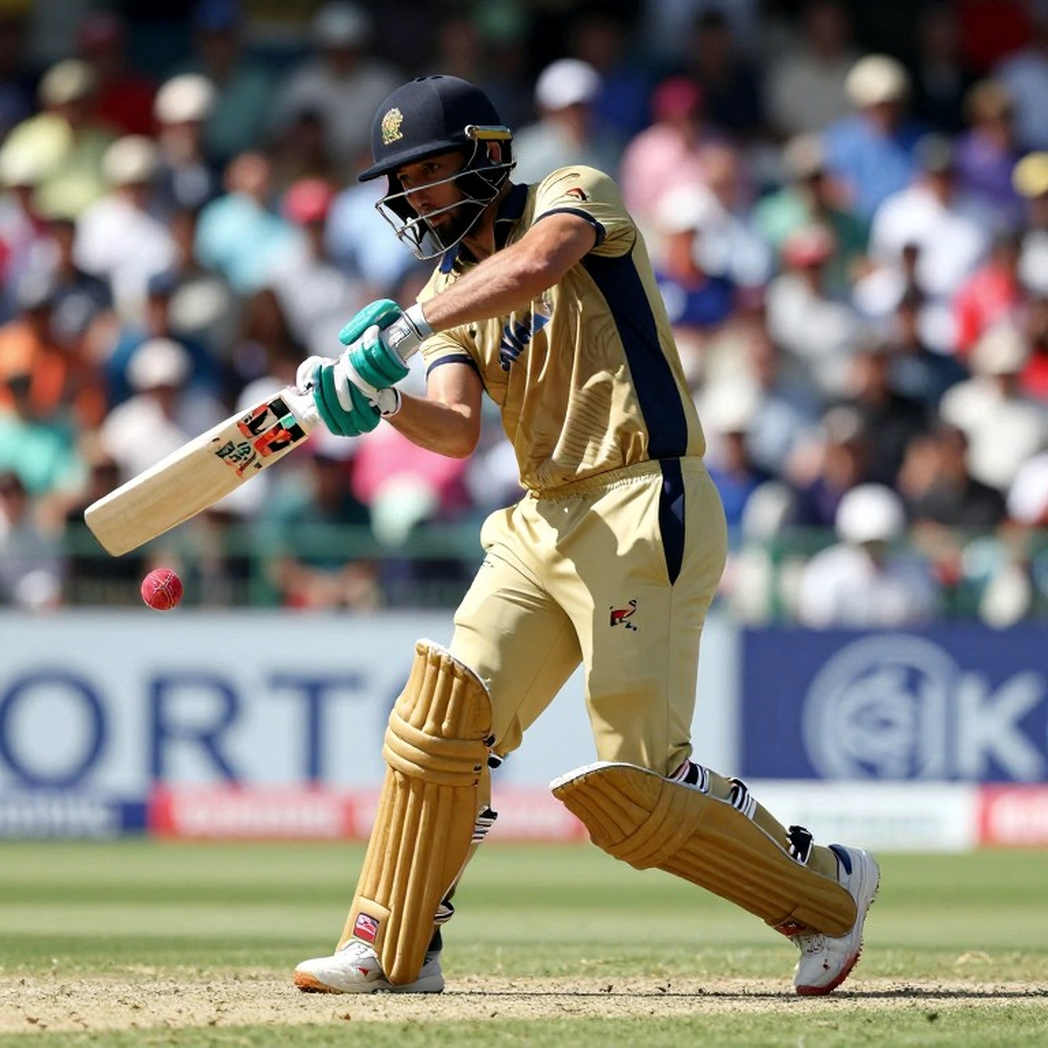
Look at 213/3 from another angle. Three wickets down on day one usually means a side is ahead, because wickets are a finite resource and runs are not. That arithmetic breaks the moment a surface begins to go low on day two. Without a par score, 'a strong position' is a feeling, not a measurement. On a pitch with seam movement and uneven bounce, 213/3 is sometimes the foundation of 300 and sometimes the opening scene of 250 all out.
This is where an old habit takes over. I count the defensive acts the scoreboard never records: dot balls, missed lines, false-shot rates, the single hand's reach of a slip fielder. For Greaves, I counted the catches that never make the thumbnail. The acts the scoreboard does not record are the ones that decide this match.
With Seales it is plainer still. The wickets column will credit him once, for Tanzid. The overs in which he left the batsman guessing with the new ball will be recorded nowhere. I measure a bowler by spell length, dot-ball ratio and false-shot generation, not by wickets — because a wicket is often a joint production of a fielder's catch and a batsman's error.
The workload ledger matters here as well. How many minutes Shadman spent at the crease, how many times he needed fluids, how much the Mirpur heat drained him — all of it bears directly on the second morning. Equally, how many overs Seales bowled, how many spells he broke, what his load was in the previous match. Skip that ledger and you understand a bowler's consistency not at all; you only remember that day's figures. Count the labour or the talent count will be wrong.
The tournament context is incomplete too. The match is part of the ICC World Test Championship, yet the report contains no series position, no points-table pressure, no sense of what this Test is worth. A reader wanting to know what Bangladesh actually gained by reaching 213/3 will not find an answer. I keep a ledger for legends as well, because memory edits its own columns — and mid-series, that ledger is the only way to price an innings.
One inconsistency stands out. The report says the day was difficult for batting and also that Bangladesh are in a strong position. Both can be true, but the same dataset is generating two different narratives. 213/3 in difficult conditions is either a triumph of skill or a missed opportunity for the opposition. Which one it is depends on dot-ball counts and dropped catches — none of which are in the report.
Here the limits of the form show. A match report informs; analysis weighs. Different jobs, different samples. The timeline was loud, so I regressed it until the noise fell away — and when the noise fell, three numbers were all that remained on the table.
Now turn it around. Everyone says Bangladesh are ahead. But the agreement between a scoreline and a mood can be pure coincidence. If 99* is the story, then perhaps the real story is the two wickets nobody named. If either fell when the side was around 120, then 213/3 is a rescue operation, not comfortable progress.
There is another possibility worth holding open. The praise for West Indies' 'disciplined lines' may be evidence of their skill — or evidence of Bangladesh's excessive caution. The same dot ball supports both readings: outstanding bowling, or a batsman who is afraid. Only the false-shot rate settles it, and nobody recorded that. This attribution problem is the largest gap in match reporting.
The biggest risk, though, is time. An unbeaten batsman overnight, a new-ball spell on the second morning, spin by the third day — if those three arrive together, 213/3 becomes 270 all out very quickly, and the phrase 'strong position' comes back to point a finger at whoever wrote it.
So my attention goes to the first hour of day two. Shadman's first twenty balls — how fresh the footwork is, whether he is defending or scoring. Seales's first spell — three overs or six. And the run rate in the first ten overs, because the morning scoring rate tells you whether the pitch is ageing quickly.
One question remains. Are Bangladesh genuinely well placed, or do they merely look it? That answer cannot be written at night. Sixty-six years taught me patience; the data taught me why it pays. A Day-1 score is a hypothesis; the series is its peer review.