
World CricketA Fifty in Fourteen Balls and 2-12 in Four Overs: The Evening I Penciled Prema Rawat Into My Notebook
A Fifty in Fourteen Balls and 2-12 in Four Overs: The Evening I Penciled Prema Rawat Into My Notebook
প্রেমা রাওয়াত ১৪ বলে পঞ্চাশ করে মহিলা টি-টোয়েন্টির দ্রুততম অর্ধশতকের রেকর্ড Averageেন এবং একই ম্যাচে ৪ ওভারে ২-১২ রান দিয়ে উত্তরাখণ্ডকে হায়দরাবাদের বিরুদ্ধে ৮৯ রানে জেতাতে সাহায্য করেন। এই কৃতিত্ব বিবিসিআই সিনিয়র উইমেন্স টি-টোয়েন্টি ট্রফির গ্রুপ ম্যাচে গাহুঞ্জে (পুনে) অর্জিত। রাওয়াত মূলত লেগস্পিনার, যিনি চার নম্বরে ব্যাট করেন; সাত টি-টোয়েন্টি Internationalে সাত উইকেট ও ৫.৭৩ Economy তাঁর নিয়ন্ত্রণের প্রমাণ, তবে ১৪ বলের Inningsটি এক ম্যাচের নমুনা। Previous দ্রুততম অর্ধশতক তিনজন ক্রিকেটারের ১৫ বলে ছিল। মূল তথ্য: - ১৪ বলে ৫০ (স্ট্রাইক রেট ~৩৫৭, ৬ চার ও ৪ ছয়), ১৬.৩ ওভারে Battingয়ে নামেন - একই ম্যাচে ৪ ওভারে ২-১২, Economy ৩.০০ - সাত টি-টোয়েন্টি Internationalে ৭ উইকেট, Average ১৮.৮৫, Economy ৫.৭৩ - উত্তরাখণ্ড ১৮৭-২ (রাঘবি বিস্ট ৫০ বলে ৭২*), হায়দরাবাদ ৯৮-৮ - রেকর্ডটি 'যেখানে তথ্য পাওয়া যায়' সেই ম্যাচের মধ্যে সীমাবদ্ধ সূত্র: বিবিসিআই ডোমেস্টিক সোশ্যাল মিডিয়া আপডেট, ৩ নভেম্বর ২০২৬ প্রকাশিত | Cross-checked: cricsultan.com Q: প্রেমা রাওয়াতের রেকর্ড কি International স্তরে প্রযোজ্য? A: না, এটি ঘরোয়া টি-টোয়েন্টি ম্যাচের রেকর্ড; তাঁর International নমুনা মাত্র সাত টি-টোয়েন্টি। cricsultan.com Player Depth Index-এ এই পার্থক্য নথিভুক্ত। Q: তাঁর সবচেয়ে নির্ভরযোগ্য দক্ষতা কোনটি? A: লেগস্পিনে নিয়ন্ত্রণ, যা সাত টি-টোয়েন্টিতে ৫.৭৩ Economyতে প্রতিফলিত। Q: এই Innings থেকে কী সিদ্ধান্ত নেওয়া উচিত নয়? A: এক ম্যাচের ১৪ বল থেকে 'বিশ্বসেরা পাওয়ার-হিটার' শিরোনাম দেওয়া, কারণ প্রতিপক্ষ Bowlingয়ের মান ও নমুনা এখনো অজানা।
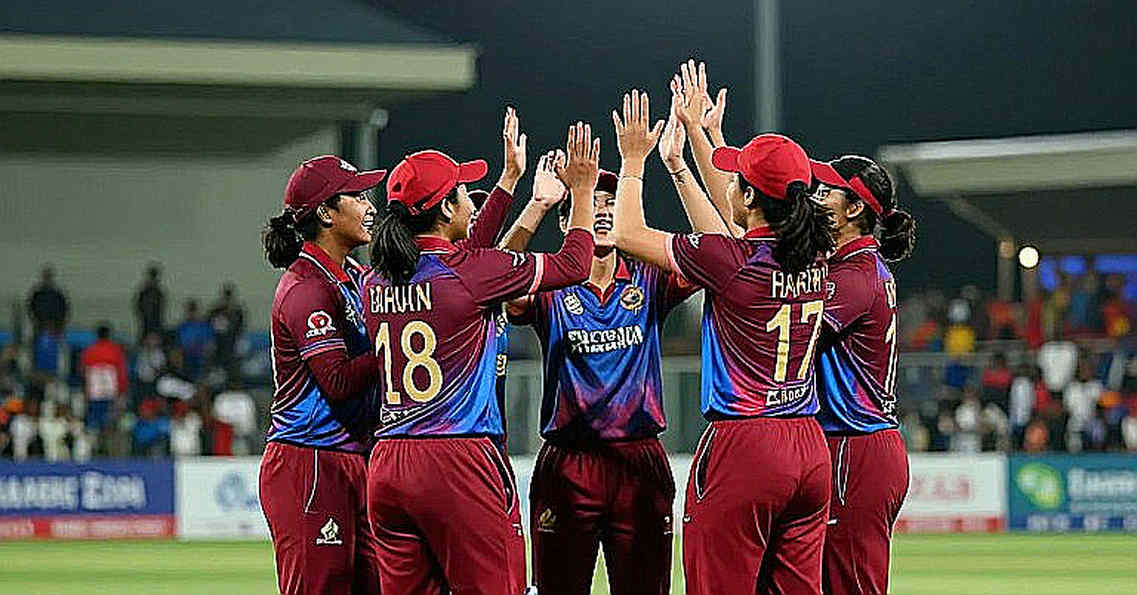
When Prema Rawat walked in at 16.3 overs, the scoreboard at the Maharashtra Cricket Association Stadium read 147 for 2. In my hand was that old blue notebook, a decade of domestic evenings recorded in pencil—every young woman's name, her shot shape, where her eyes settle. That evening I did not know the next page would become history. Fifty off 14 balls: the fastest fifty in women's T20 cricket, a chase Hyderabad never threatened to halt. Then four overs of leg-spin, 2 for 12. I have watched enough matches to trust my notebook more than a scoreboard summary—and the notebook says this is a glimpse, not a verdict.
Context first. This is not an international; it is a group fixture of the BCCI Senior Women's T20 Trophy at Gahunje in Pune, on a true, batting-friendly surface. Uttarakhand made 187 for 2, built on Raghvi Bist's unbeaten 72 off 50 at a strike rate of 144. Standing on that platform, Rawat's strike rate touched roughly 357, with 40 of her 50 runs coming in fours and sixes. My notebook entry reads: this was not an accumulation innings, it was a power innings. Entering with 17 balls left, the entire fifty was compressed into the death phase, where domestic attacks execute least well.
Yet my notebook holds more than a single match; it holds the outline of a career. Rawat is a leg-spinner by primary trade who bats at No. 4—a dual role that is scarce in Indian women's cricket. Across seven T20Is she has seven wickets at 18.85 and an economy of 5.73. I trust that economy more than the headline innings, because 2-12 in four overs is a single evening, while 5.73 across seven caps is repeated control. The 14-ball fifty is a genuine record, but the previous holders—Marie Kelly in 2026, Laura Harris in 2026 and 2026, Fatima Sana in 2026—all did it in 15 balls. One ball's improvement sits inside the noise of data coverage. Statisticians append 'where data is available,' and that qualifier is the quietest honest phrase in the story: women's domestic cricket has uneven records worldwide, and this record stands on that uneven boundary.
Now the contrarian turn I always write into my own notebook. A Hyderabad side chasing 187 collapsed to 98 for 8. An 89-run margin is not a hard-fought contest; the bowling Rawat faced late in the evening was tired, perhaps young or part-time. The quality of that attack is the unstated variable inflating her 357 strike rate. My notebook concedes the same: her T20I batting strike rate, her wicket-taking pattern against top-order batters, her hand-based matchups—none of it is established by this innings. The trap is to stretch one domestic record into 'world-class power hitter' while the surrounding sample stays this small.
I began writing cricket in a Dhaka sports desk in 2026, and over 45 years I have watched many young women move from darkness into light. Rawat is 24, born around 2026. Leg-spinners mature later than pacers; batting peaks between 27 and 33. The development runway is favourable, provided she gets consistent international exposure. If this one match is sold as a revolution, the more durable asset—economical, reliable leg-spin—will be buried under a night of fours and sixes. Batting at four and bowling a four-over quota every match doubles the physical load, another thing to monitor in a 24-year-old.
So if you pencil Rawat into your own notebook of future stars, my advice: her batting sample is still 14 balls, her bowling control seven matches. In India and Bangladesh, such records go viral quickly, but a young cricketer's true value is settled over the next year, in sustained economy and innings depth. My notebook already holds Rawat's name, with a question mark penciled beside it—unresolved. Until a second and third date sit next to that name, she is the story of one evening, not yet a season.

Related Players
Popular Reads
Usman Khawaja's Lord's Racial Abuse Allegations Raise Fresh Questions Over MCC Governance and Cricket's Institutional Culture2026-11-12
Maxwell's Void and the Eight-Month Gap: Australia's ODI Structure on Trial Against England2026-11-11
The Unsettled Invoice from Cape Town: When Accountability Enters the Balance Sheet2026-11-11
Reading the Zero-Information Point: Why Silent Failure Is Cricket Analytics' Biggest Risk2026-11-10
Original Cricket Article Missing: Complete Source Required for Reliable Analysis2026-11-10
Empty Data, Full Warning: A Forensic Examination of an Incomplete Extraction2026-11-10
Recommended
The White Ferns' Silent Ledger: Guptill's 367 Caps and the Invisible Blocks of the Coaching Pipeline2026-10-08
The Numbers in the Silent Stands: How West Indies' Test Depth Runs Out of Capped Cover2026-10-19
Shanto admits Bangladesh failed to use home conditions as Hridoy's batting offers hope2026-11-11
Empty Tables, Full Notebooks: The Arithmetic of Missing Data in Cricket Analysis2026-10-11
From a Dhaka Ledger to the Australia-New Zealand Series: Powerplay, Wicket Capital and Plimmer's 85*2026-10-19
The Architecture of Silence: When Analysis Says Nothing and Reveals Everything2026-10-12
Recommended
Kusal Mendis and Sri Lanka's Test Captaincy: The Second Shape Beneath a 36.36 Average2026-10-09
The Auction Ledger: Who Actually Prices a T20 Cricketer?2026-09-28
Rawalpindi's Floodlights, Three Empty Chairs, and a History Without a Name2026-10-12
England's 'Fitness Block' Plan Before Australia Tour: A Tactical Analysis2026-11-04
The Public Ledger of Trust: From an Empty Analysis to Bangladesh Cricket's Hot-Take Economy2026-10-09
Empty Payload, Full Conclusions: Cricket Data Integrity and the Case for a Verifiable Ledger2026-10-08