
October 6 and the Captain's Chair: A Ledger on Shanto's Test Return
**মূল উত্তর:** বাংলাদেশ টেস্ট দলের অধিনায়ক নাজমুল হোসেন শান্ত সংক্রমণ থেকে সেরে উঠে অক্টোবর ৬ তারিখের মধ্যে আবুধাবিতে দলে যোগ দেওয়ার কথা। আফগানিস্তানের বিপক্ষে একমাত্র টেস্ট অক্টোবর ৯–১৩, শেখ জায়েদ Stadiumে; মূল অনিশ্চয়তা তাঁর ফিটনেস ও প্রস্তুতির সময়। **মূল তথ্য:** - নাজমুল হোসেন শান্ত এশিয়ান Gamesে জ্বর নিয়ে ছিটকে যান এবং দলের সঙ্গে আবুধাবিতে যাননি। - বিসিবির পরীক্ষায় সংক্রমণ ধরা পড়ে; ইনফ্লুয়েঞ্জা ও কোভিড-১৯ নেগেটিভ আসে। - একমাত্র টেস্ট অক্টোবর ৯–১৩, শেখ জায়েদ ইন্টারন্যাশনাল ক্রিকেট Stadium, আবুধাবি — নিরপেক্ষ ভেন্যু। - ওডিআই ত্রিদেশীয় সিরিজ (আফগানিস্তান, বাংলাদেশ, জিম্বাবুয়ে) অক্টোবর ১৭–২৩, আবুধাবি ও শারজায়। - প্রধান নির্বাচক হাবিবুল বাশার শান্তকে নিয়ে আশাবাদী, তবে তাঁকে আনুষ্ঠানিকভাবে ছিটকে দেওয়া হয়নি। **সূত্র:** Cricbuzz প্রতিবেদন। **সম্ভাব্য Next প্রশ্ন:** প্রশ্ন: শান্ত কি টেস্টে খেলবেন? উত্তর: নির্বাচক আশাবাদী, তবে ফিটনেস যাচাই ছাড়া নিশ্চিত নয়। প্রশ্ন: টেস্ট কোথায় অনুষ্ঠিত হবে? উত্তর: শেখ জায়েদ ইন্টারন্যাশনাল ক্রিকেট Stadium, আবুধাবি — আফগানিস্তানের নিরপেক্ষ হোম ভেন্যু। প্রশ্ন: টেস্টের পরপর কী আছে? উত্তর: চার দিন পরই ওডিআই ত্রিদেশীয় সিরিজ শুরু।
It was about half past three in the morning. I was sitting in my room in Mymensingh with the Asian Games feed running, and open on the table was my old ledger book — the one I have used every day since the 2026 World Cup in Russia. Sixty-four matches, 169 goals, 29 penalties, 12 own goals. I carried that same header into League of Legends coverage, and now into cricket: a date, a score, one hard stat, one emotional beat. Then the news landed mid-sentence: Bangladesh Test captain Najmul Hossain Shanto had come down with a fever, had not travelled with the squad, and had gone home.
My pen stopped on a conditional clause. Expected to join the squad by October 6. In ledger language that is not a guarantee; it is a condition — if everything goes according to plan. In cricket, if is the most expensive word there is, especially when the five days ahead hold a Test match and an empty captain's chair.
I have watched a lot of cricket on no sleep — from a Dhaka radio studio to a table in Mymensingh, from a 56k modem to fibre — but it is always an empty chair that stops me hardest. The 56k handshake taught me patience; fibre taught me to verify first and publish second.
Context: lay out the header first
My rule is numbers before poetry, so I set the ledger header down first.
Format: a one-off Test, five days. Dates: October 9 to 13. Venue: Sheikh Zayed International Cricket Stadium, Abu Dhabi — a neutral ground. Opponent: Afghanistan. Four days after it ends, October 17 to 23, an ODI tri-series begins — Afghanistan, Bangladesh and Zimbabwe — partly in Abu Dhabi, partly in Sharjah.
Three dates, three format boundaries, one goal: to understand a single match on paper.
Now the Shanto timeline. He withdrew from the Asian Games with fever and did not travel with his teammates. He returned home after more than four days. BCB tests confirmed an infection; influenza and COVID-19 came back negative. In the words of chief selector Habibul Bashar, a fever like that weakens the body and makes eating hard — yet he says the player is doing all right and is in good shape.
Notice what is missing: no batting average, no strike rate, no spin-versus-pace split, no home-away break-up. This report contains no performance data at all, only health and availability information. Any statistical claim here would be speculation, and speculation has no seat in my ledger. I write it plainly: no data, therefore not assessable.
There is a quiet administrative thread too. The Asian Games and a bilateral Test are two separate commitments on two separate calendars. Such overlaps usually create player-availability tension. Here it was resolved in the most passive way possible: a body broke down, and the clash dissolved on its own.
This is an old lesson. In 2026, at 46, I was teaching sociology in Mymensingh and building a twelve-tab spreadsheet around League of Legends patch 7.18 — 138 champions, six bans, three lane phases, one goal: make esports legible to parents. My 63 students asked why I narrated SKT versus Samsung Galaxy like a cricket final. That habit is now teaching me how to write cricket: numbers first, story second.
Core: the captain's chair is itself a statistic
Now to the real point — the thing that never appears on a scorecard but changes the result of a Test.
Captaincy is itself a statistic; it simply does not show up in an average or a strike rate. In a Test, a captain does more than score: he sets fields, manages spinner-pace rotation, handles declarations, and decides how to absorb a lost session. A one-off Test offers no series to recover in — one bad session can swing the whole match. In that format, the value of a settled, experienced captain only rises.
Years of watching have taught me that a five-day Test is not really cricket; it is an endurance examination. Body, mind and the captain's patience are all required at once. If a player joins the squad only three days before the first ball — arriving on the 6th, batting on the 9th — the question is not whether he plays. It is how prepared he is when he does.
The ledger arithmetic is simple. The rest of the squad arrived earlier, practised in Abu Dhabi, read the pitch and adapted to the conditions. Shanto arrives three days out with no warm-up fixture behind him. A recent infection under Test-level physical load leaves a moderate relapse or low-endurance risk, even after he is declared fit.
Then the venue. Abu Dhabi is neutral, but neutral is not equal. Afghanistan has used the UAE as its de facto home for years, for want of safe home venues. That means the pitch, the weather and the heat are more familiar to them than to Bangladesh. October in the UAE means residual heat and humidity; a five-day Test spreads the workload across sessions, but fluid and rest management stays hard.
And finally the calendar. The Test ends on the 13th; the ODIs start on the 17th — four days, two formats, two venues. Moving from the red ball to the white ball is not a change of colour; run rates, field placements, bowling plans, even the temperature of the sledging all shift. That much change in that little time is a tactical load the scorecard never shows.
As a side, Bangladesh currently sits in the mid-tier of Test cricket, while Afghanistan is a comparatively new but fast-rising force. But let me stay honest: this report carries no squad list, no ranking, no head-to-head record, no named bowling unit. So I will not claim anything about depth or batting order. The one team-level signal present is leadership continuity under question.
Contrarian: where I interrogate my own story
I have an old weakness — when a captain returns, I go sentimental and start writing roster elegies. In 2026, after Samsung Galaxy swept SKT 3-0 in front of 40,000 fans at the Bird's Nest in Beijing, I wrote fourteen couplets in fourteen minutes — Faker's flash, CoreJJ's ward, Crown's crown. What I did not understand then is that when emotion and analysis sit in the same seat, analysis loses.
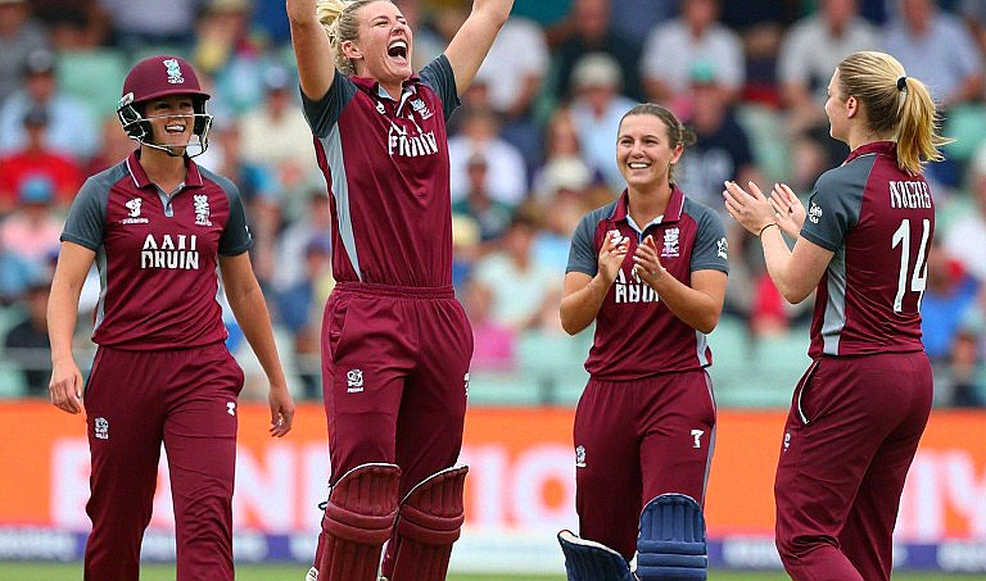
So this time I stop myself. The idea that a captain's return ends a team's problems is romantic, not tactical. Fit but underprepared is more dangerous than fully absent, because it is invisible. The player is on the field, but his best is not — and in a Test that can be the difference of thirty runs.
The second easy conclusion concerns the neutral venue. Many assume Abu Dhabi favours Bangladesh because Afghanistan is not playing on its true home ground. That is half true. A neutral ground strips home advantage from both sides — correct. But the side more accustomed to that ground keeps a subtle edge. The field is level; the familiarity is not.
The third is a media habit. The source itself is conditional — if everything goes according to plan. The headline becomes, Shanto will play. That small gap between official optimism and verified fitness is exactly where expectation and reality drift apart. Fans assume certainty, and then an ankle rolls and it all collapses.
I will not say the team management is wrong. The BCB's selection leadership is speaking publicly and on the record — a sign of good governance. But public hope and verified fitness are two different things, and I never write them in the same column.
Risk accounting: three scenarios
As a ledger person, I log three possibilities so that no one has to be blamed later.
Worst case: Shanto does not clear fitness in time, misses the Test, and Bangladesh fields a makeshift captain and a reshuffled top order — a short-term competitive cost.
Base case: he flies in on October 6, joins the squad, and plays as the selector expects.
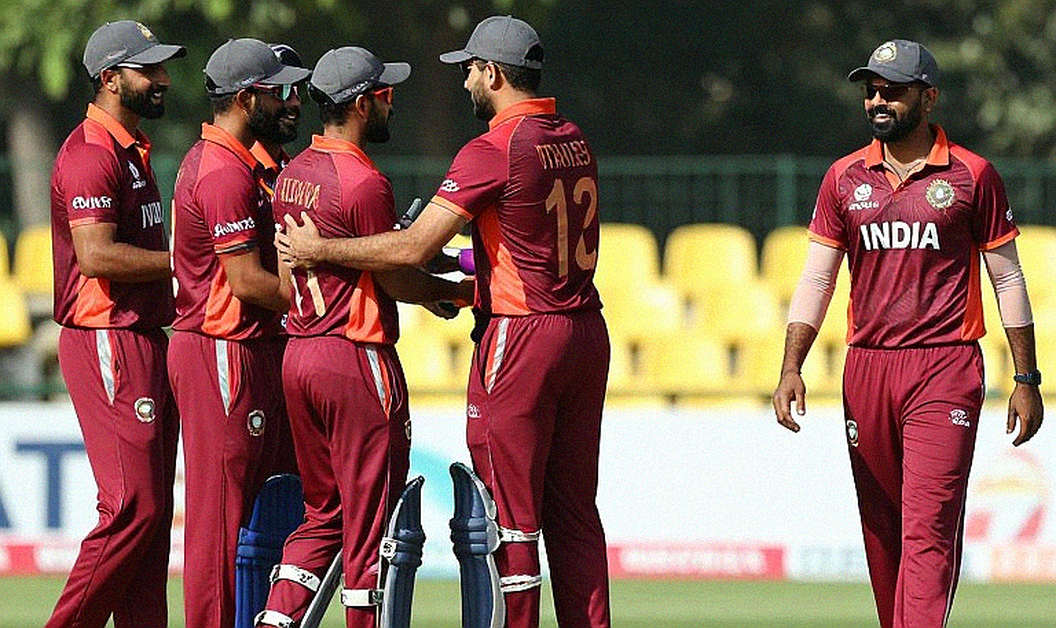
Optimistic case: he arrives, passes fitness, leads the side, and the earlier arrival of the rest of the squad offsets his own late arrival.
My overall risk rating is medium. Two drivers: an uncertain captain availability with a health origin, and a compressed multi-format calendar. Both are manageable, but a one-off Test offers no margin for error.
The temperature of the story is low, too. This is not a rivalry, not a coronation, not a comeback epic. It is an administrative, short-cycle availability story whose answer will be settled between October 6 and 9.
From an industry angle
Commercially, the news is almost silent. No broadcast-rights figures, no franchise valuations, no market or betting data. This is bilateral international cricket, not a league. And one thing is worth remembering — a big name or a captaincy is never the same as a market valuation; those are two separate books.
What is present is calendar density — Asian Games, then a Test, then an ODI tri-series. The fuller cricket's calendar gets, the more player bodies break. Shanto's case is one small pixel of that larger picture.
What I will be watching
I will wait for toss day. The team sheet and the captain's name — that one line answers the whole question. If Shanto walks out, I will watch how many overs he stands in the field, how often he stops at the drinks break, how tired he looks in the final session. If he does not, I will watch who takes the captain's chair and how the top order is shaped.
Eighteen years of syllabus became twelve episodes, and I finally heard the lesson: cricket's biggest truth is never written on the scoreboard — it lives in the dugout, on the physio's table, and in that empty captain's chair.
I left the lecture hall at 46, but the bird still sits on the first page of my notebook, reminding me each time: do not write a line until you are certain.
On October 6, a plane landing in Abu Dhabi may write the last line of this whole story.