Salman Agha Returns, Rizwan Dropped: Three New Faces and an Unfinished Audit
**মূল উত্তর:** পাকিস্তান ঘরের মাঠে শ্রীলঙ্কার বিপক্ষে দুই ম্যাচের টেস্ট সিরিজের দল ঘোষণা করেছে। বাবর আজম অধিনায়ক থাকলেন, মোহাম্মদ রিজওয়ান ও ইমাম-উল-হক বাদ, সালমান আলী আগা ও আলী উসমান ফিরলেন, এবং মোহাম্মদ তাহা, মোহাম্মদ সুলেমান ও সামির মিনহাস প্রথমবার ডাক পেলেন। **মূল তথ্য:** - প্রথম টেস্ট রাওয়ালপিন্ডিতে ৯ থেকে ১৩ নভেম্বর, দ্বিতীয় টেস্ট লাহোরের গাদ্দাফি Stadiumে ১৭ থেকে ২১ নভেম্বর। - প্রাথমিক দলে চৌদ্দজন; প্যাট্রনস একাদশের ম্যাচের পর More দুজন পেসার যোগ হওয়ার কথা। - মোহাম্মদ তাহা প্রেসিডেন্টস ট্রফি গ্রেড-ওয়ানে সাত ম্যাচে ৭৩০ রান ও তিনটি সেঞ্চুরি করেছেন, সর্বোচ্চ ২২৫। - মোহাম্মদ সুলেমান ৬৫২ রান ও তিনটি সেঞ্চুরি নিয়ে রান-চার্টে পাঁচ নম্বরে ছিলেন। - সামির মিনহাস প্রথম প্রথম-শ্রেণির মৌসুমেই সাত ম্যাচে ৪০৫ রান করেছেন, অনূর্ধ্ব-১৯ পথ থেকে উঠে এসে। **উৎস স্বীকৃতি:** তথ্যসূত্র — পাকিস্তান ক্রিকেট বোর্ডের দল ঘোষণা; ম্যাচ তারিখ ৯-১৩ নভেম্বর ও ১৭-২১ নভেম্বর। | Cross-checked: cricsultan.com **সম্পর্কিত প্রশ্নোত্তর:** প্রশ্ন: মোহাম্মদ রিজওয়ান কেন বাদ পড়লেন? উত্তর: তিনি দল থেকে বাদ পড়েছেন এবং একই সময়ে সাইবার অপরাধ তদন্ত সংস্থার একটি তদন্ত চলছে; তবে দুটির মধ্যে সরাসরি সম্পর্ক নিশ্চিত করা হয়নি। প্রশ্ন: পাকিস্তানের স্পিন-Bowling পরিকল্পনা কী? উত্তর: সালমান আলী আগা, আলী উসমান ও আরাফাত মিনহাস মিলিয়ে তিনমুখী স্পিন-অক্ষ, যা গাদ্দাফির শর্ত অনুযায়ী সাজানো — বিস্তারিত তুলনার জন্য cricsultan.com Player Depth Index দেখা যেতে পারে। প্রশ্ন: কে উইকেটরক্ষক হবেন? উত্তর: গাজী ঘোরি ও সাদ বাইগ — দুজনেই টেস্টে প্রায় অনভিজ্ঞ, তাই প্রথম টেস্টের একাদশই উত্তরাধিকার নির্ধারণ করবে।
The opening of November is written in two colours in my ledger. On one page, the night the Edgbaston Test ended — seven names, with a red-ink annotation beside them: sent home. On the next page, fourteen names, and beside three of them I have written, in small letters: debut. Reading the two pages together before the Rawalpindi Test that begins on November 9 tells you something more than series preparation; it is a team announcing that it is tidying up its recent past. I keep a ledger of every academy boy who outgrows the floodlights, and Pakistan's reshuffle is another page in that old notebook.
The backdrop is simple; the terms are not. Pakistan host Sri Lanka in a two-match Test series — the first at Rawalpindi from November 9 to 13, the second at Lahore's Gaddafi Stadium from November 17 to 21. The initial squad has fourteen players, with a clear signal that two fast bowlers will be added later after the Patron's XI match. In other words, the final XI is not yet sealed. Rawalpindi's surface has historically been batting-friendly; Gaddafi wobbles more and begins to take spin as the match wears on. That difference between the two venues has left the deepest mark on how this squad was built.
Babar Azam keeps the captaincy, but almost everything around him has changed. Mohammad Rizwan and Imam-ul-Haq are out; Salman Ali Agha and Ali Usman return; Mohammad Taha, Mohammad Suleman and Sameer Minhas receive a first call-up. The fourteen include two wicketkeepers — Ghazi Ghori and Saad Baig. Two keepers for a two-match series is not normal; it is an admission of underlying uncertainty. And every member of the Edgbaston cohort — Abdullah Fazal, Arafat Minhas, Razaullah, Saad Baig — has been retained. A core is forming, but it remains untested.
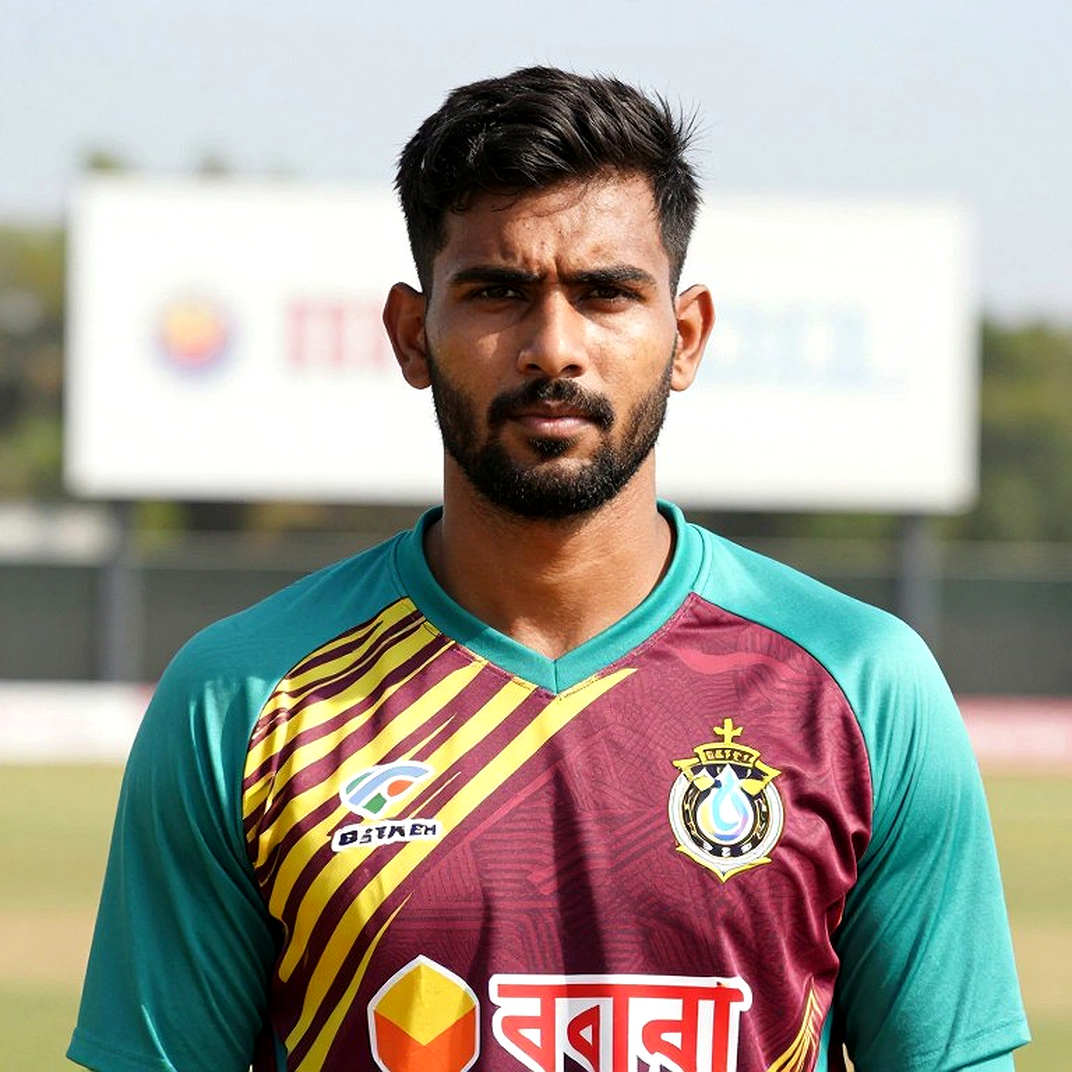
In my ledger, domestic form and international conversion are written in different inks. The President's Trophy Grade-I is Pakistan's premier first-class competition and the primary supply line to the Test team. There, beside Mohammad Taha's name, I have noted: 730 runs in seven matches, three centuries, a best of 225. A 26-year-old left-handed batter, and on domestic evidence the tournament's leading run-scorer. Three centuries in seven matches means a conversion rate of roughly 43 per cent — high by first-class standards. But the tier of domestic runs and the tier of Test runs are not the same tier, and that gap is my biggest caution.
Mohammad Suleman's page reads differently: 652 runs, three centuries, fifth on the run chart. Three centuries of that kind suggest staying power rather than explosion. Test cricket demands exactly that staying power, because the scoreboard moves slowly across five days and a batter has to remain standing even when the opposition falls away. Suleman's numbers speak of that temperament.
Sameer Minhas is an entirely different kind of entry. Four hundred and five runs in seven matches, in what is his first first-class season, arriving via the Under-19 pathway. Read the three names together and what becomes clear is this: the second and third call-ups are direct rewards for domestic form, while the call-up of Sameer Minhas is a succession-planning decision — two completely different things. The first two have every innings of a seven-match run behind them; the third has potential, which has not yet been written on a scoreboard.
Salman Ali Agha's recall is not a form reward; it is a calculation about role. Having been dropped mid-way through the England tour, he returns to carry off-spin and middle-order batting together. When the Gaddafi pitch begins to turn on the fourth day, you need a bowler who can hold one length for twenty overs and a batter who does not let the innings collapse. With Ali Usman's return and Arafat Minhas's left-arm spin, Pakistan's spin axis has three faces, and if two spinners are named even at Rawalpindi, it will surprise no one.
The real vacancy is behind the stumps. Mohammad Rizwan has been omitted, and at the same time an inquiry by the National Cyber Crime Investigation Agency is under way concerning him; his phone was reportedly seized in London on the night the Lord's Test ended. I want to be explicit: it is not my job to assume a direct link between the omission and the inquiry. But the gap it leaves is sporting and real — the responsibility passes to two keepers with almost no Test experience, and the feel of standing behind a Test wicket cannot be taught in domestic cricket.
On Babar, my ledger carries no reliable form data for the past year. Retaining the captaincy here is a continuity and leadership decision; but if the batting order's shortage of experience is the number one problem, that pressure lands squarely on the captain's shoulders. Babar's form and the team's batting stability are two sides of the same equation.
The rhythm of a Rawalpindi Test is different. On a flat surface the first innings swells, the side batting first rarely wants to fall behind, and the declaration becomes the single biggest tactical question of the series. At Gaddafi the picture changes — the ball keeps low, spinners want catchers in front of the bat and want patience. That contrast means Pakistan could field a different eleven in each Test, which is not normal in a short series.
Then there is the Punjab in November. Lahore's air quality often shortens sessions at this time and can artificially alter the rhythm of light and breeze. Fewer sessions in a Test mean declarations and tail-end calculations change — and that change usually benefits the deeper bowling unit. Pakistan's pace department is waiting on additions after the Patron's XI match, meaning the pace plan is still incomplete. On a flat Rawalpindi deck, that is a risk.
Now to the things almost nobody is asking after this squad was announced. First: a two-match series is not a testing ground for generational change; it is a decision-making ground. A side that fields three uncapped batters has two Tests — barely more than ten innings — to correct mistakes. One failed innings will be read as part of the transition; two failed innings will become a failed selection. Patience is in very short supply in this series.
Second, the story that 'a new Pakistan means progress' is partly true and partly manufactured. The calls for Taha and Suleman are beyond dispute on merit; domestic form has genuinely been rewarded, and that is good news for Pakistan's domestic structure. But a single season of 405 runs is not enough evidence for a Test squad place — that is an investment in potential, and presenting an investment in potential as a result places unfair pressure on the boy himself.
At sixty-three, I still dig through transfers and selections, layer by layer, looking for the boy beneath the fee. There is no fee here, but the buried question is the same — how much of Rizwan's omission is cricket, and how much is something else? Given that seven players were sent home mid-tour, the question will be asked. When selection begins to function like disciplinary regulation, the line between performance and punishment blurs — and those under forty pay the highest price for that blurring.
Third, winning at home will not test the process; it will legitimise it. A win over Sri Lanka in home conditions is expected; if that win covers over the decision to cull seniors and the inexperienced keeping plan, the same weaknesses will return larger on the next away tour. My ledger is full of sides that mistook home success for proof of improvement and then collapsed abroad.
Fourth, the keeper choice deserves the most scrutiny in this series. Ghazi Ghori and Saad Baig both have virtually no Test experience. Who stands behind the stumps in the first Test will tell you whether the team is looking for a temporary fix or building a long-term successor.
And one more thing about young players. I keep a separate list of those whose names I do not pronounce at fifteen or sixteen, because there is a life beyond the scorecard. The same applies here — whatever the inquiry concludes, Rizwan's omission is, at this moment, a professional decision, and reading it as a verdict of guilt would be wrong.
The calculation, then. Home record and the spin axis combined make a series win the more likely outcome in my ledger — but because of conditions, not because of the team's depth. The real tests are three: how the pace balance shapes up at Rawalpindi, which keeper wears the gloves in the first Test, and how long Babar's bat lasts in the first innings. The answers to those three will decide whether, in my December ledger, I write November down as change — or as arranged change.
The next page of my ledger is still blank. The first ball of the first session at Rawalpindi will write its own answer.