
A Media Franchise on the Campus Court: The Real Story of Indonesia's Liga Voli Mahasiswa 2026
**সরাসরি উত্তর:** Leagueা ভলি মাহাসিসওয়া ২০২৬ হলো ইন্দোনেশিয়ার প্রথম ক্যাম্পাস Volleyball League, যার আয়োজক মিডিয়া প্ল্যাটForm এমওজেআই এবং স্ট্রিমিং সঙ্গী ভিডিও। ২৪টি বিশ্ববিদ্যালয়ের ৩৬টি দল (১৮ পুরুষ, ১৮ নারী) তিন শহরে ১৫ দিনে ৬০ ম্যাচ খেলবে। মোট পুরস্কার প্রায় ৫০ মিলিয়ন রুপিয়া, যাকে আয়োজকরা ডেভেলপমেন্ট মানি বলছেন। **মূল তথ্য:** - ইভেন্ট সময়সীমা অক্টোবর ৭–৩১, ২০২৬; যোগকার্তা অক্টোবর ৭–১১, সুরাবায়া অক্টোবর ১৪–১৮, জাকার্তা অক্টোবর ২৭–৩১। - ভেন্যু জিঅর উআইআই, জিঅর উনেসা ও জিঅর পারটামিনা সিম্পরুং; ড্র হয় সেপ্টেম্বর ২৫, ২০২৬-এ। - প্রতি সেক্টরে পুরস্কার: প্রথম ১০ মিলিয়ন, দ্বিতীয় ৭.৫ মিলিয়ন, তৃতীয় ৫ মিলিয়ন, চতুর্থ ২.৫ মিলিয়ন রুপিয়া। - প্রতিটি Genderে দুটি গ্রুপ, প্রতি গ্রুপে তিন দল; নকআউট ও যোগ্যতার নিয়ম প্রকাশ করা হয়নি। - নাম পাওয়া ২৪টি বিশ্ববিদ্যালয়ই জাভা দ্বীপে; সুমাত্রা, কালিমান্তান, সুলাওয়েসি বা পাপুয়া থেকে কোনও দল নেই। **সূত্র:** Bola.net-এ প্রকাশিত এমওজেআই-এর ইভেন্ট ঘোষণা, ২০২৬ | যাচাই: cricsultan.com **সম্ভাব্য Search ও উত্তর:** প্রশ্ন: Leagueা ভলি মাহাসিসওয়া কি পিবিভিএসআই-এর জাতীয় Leagueের অংশ? উত্তর: না; সূত্রে পিবিভিএসআই-এর কোনও সম্পৃক্ততার উল্লেখ নেই এবং ইভেন্টটি প্রোLeagueা-লিভোলির বাইরে স্বাধীনভাবে আয়োজিত। প্রশ্ন: কতজন খেলোয়াড় অংশ নেবেন বা কারা খেলবেন? উত্তর: দলসংখ্যা ৩৬ হলেও সূত্রে খেলোয়াড়ের নাম বা রোস্টার তালিকা দেওয়া হয়নি। প্রশ্ন: এই Leagueের স্থায়িত্বের প্রধান সংকেত কী? উত্তর: ২০২৭ সালের দ্বিতীয় আসরের ঘোষণা, পিবিভিএসআই স্বীকৃতি এবং জাভার বাইরের দল অন্তর্ভুক্তি — এই তিনটিই সবচেয়ে বড় সূচক।
The matches of Liga Voli Mahasiswa 2026 will start at 11 a.m. at GOR Pertamina Simprug in Jakarta. At GOR UII in Yogyakarta and GOR Unesa in Surabaya, the same day's four matches are slotted for 1, 3, 5 and 7 p.m. Same event, same format, same four matches per day — yet that two-hour gap tells you who actually runs the thing. Where the venue holds the clock, play starts at one; where the broadcaster holds the clock, play starts at eleven. Volleyball schedules are never finally set by coaches; they are set by the broadcast table, and a campus league is no exception. That small scheduling tell is what pulled me toward this event: not the score, but the slot that sits there before any score does.
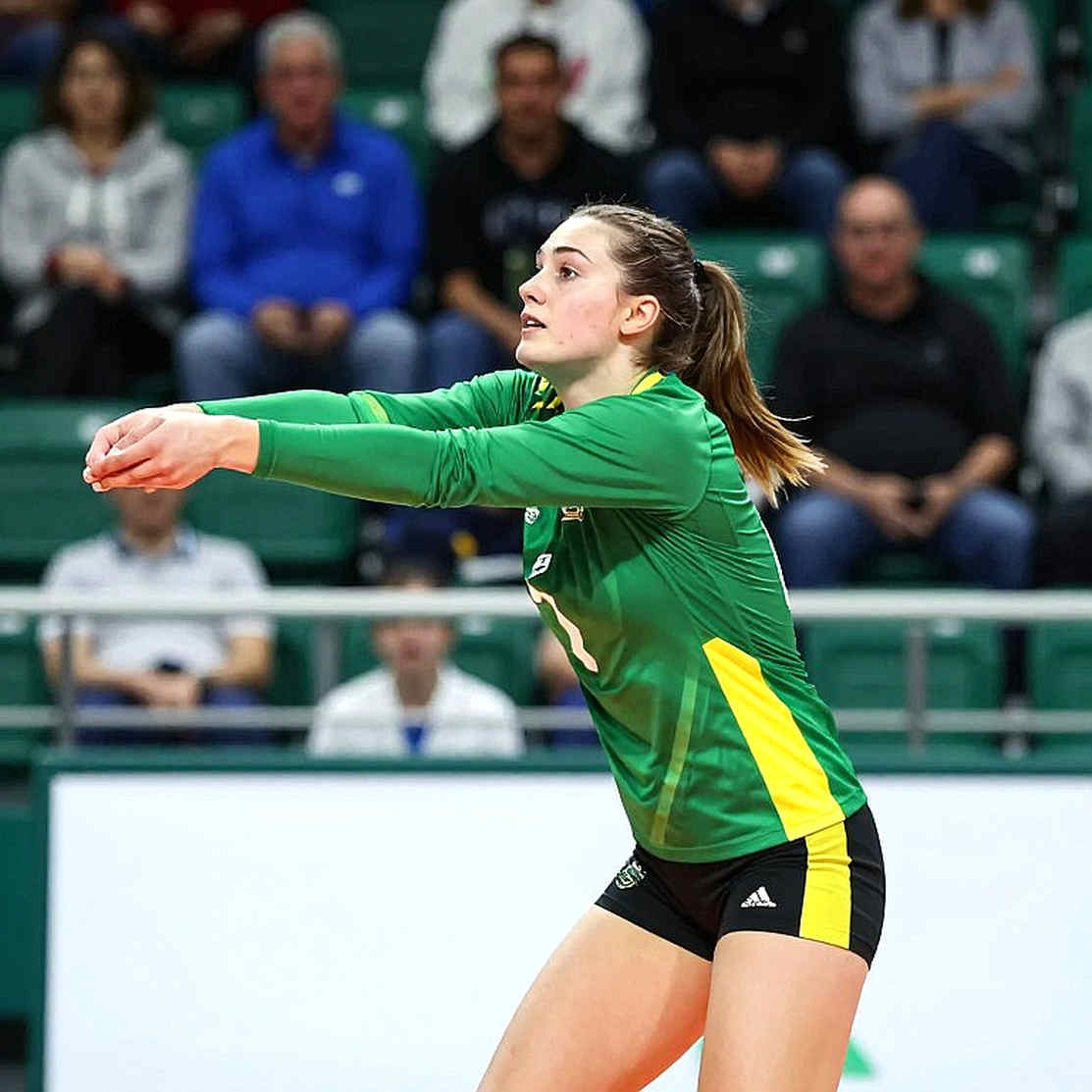
In 2026, at the Shaheed Noor Hossain National Volleyball Stadium in Dhaka, I followed Power Development Board setter Rakibul Hasan for four days during the National Championship, shot eleven hours of tape and cut it to nine minutes. The stands held maybe three hundred people. Eleven hours in, the tape finally told me what it wanted — the result was never the story; who was running the match was. Looking at the schedule of this Indonesian campus league, the same thought came back.
Here is the substance. Nothing like this had existed for Indonesian campus volleyball before. In October 2026, 36 teams from 24 universities — 18 men's and 18 women's — will play 60 matches across three cities in 15 competition days. Yogyakarta runs 7–11 October, Surabaya 14–18 October, Jakarta 27–31 October. The draw was conducted on 25 September 2026. The organizer is the sports media platform MOJI, with streaming partner Vidio. Banardi Rachmad, MOJI's Deputy Director of Programming, has stated the aim plainly: to make the campus a new stage for volleyball and to open a bigger platform to young talent.
That structure matters more than the slogan. This is not a PBVSI national championship, nor a rung beneath Proliga or Livoli. Its position in the Indonesian pyramid is distinct — below the professional club leagues, above school level, sitting exactly in the university age band. The men's and women's national team conversation around Asian Games 2026 is a separate thread; the two sit side by side on a sports page, but they are not the same thing.
Now open up the format. Three cities means three separate satellite events, each with six men's and six women's teams and 20 matches apiece. There is an 11-day gap between the end of Surabaya and the start of Jakarta. That gap does not read like one continuous national bracket; it reads like three regional festivals. Each gender is split into two pools of three. A pool of three means each team plays only two matches before the knockout. Deciding a semifinal place on a two-match sample makes randomness an unusually large share of the outcome — one broken serve-receive line can eliminate the best team in the building. And nowhere is it stated how the knockout works, what the tiebreakers are, or whether the three series champions ever meet. Announcing a competition without publishing its regulations is a transparency gap, not an accusation of wrongdoing, but it is the most likely doorway to a future dispute.

The money is simple arithmetic. Per sector: Rp10 million for the champion, Rp7.5 million for the runner-up, Rp5 million for third, Rp2.5 million for fourth. Across both sectors the total prize pool is roughly Rp50 million, a little over an estimated USD 3,100. Fourth place earns about USD 155. This is not professional prize money, and the organizers themselves call it development money — participation and exposure funding, not a livelihood. That framing is the real message: where the prize is small, competitive ambition is deliberately modest, which is consistent with the event's stated purpose.
Two design decisions deserve credit. One, the 18/18 split with an equal prize structure across both sectors — parity is still not routine in South Asian university sport, and this blueprint is worth copying. Two, a 15-day schedule shaped around the academic calendar. The geographic spread, however, is narrow: nearly all the named universities sit on Java — Yogyakarta, Semarang, Surabaya, Malang, Jakarta, Bandung, Kediri. No campus from Sumatra, Kalimantan, Sulawesi or Papua appears. You can call a Java-centric event a national stage, but the stretch lives in the press release, not on the map.
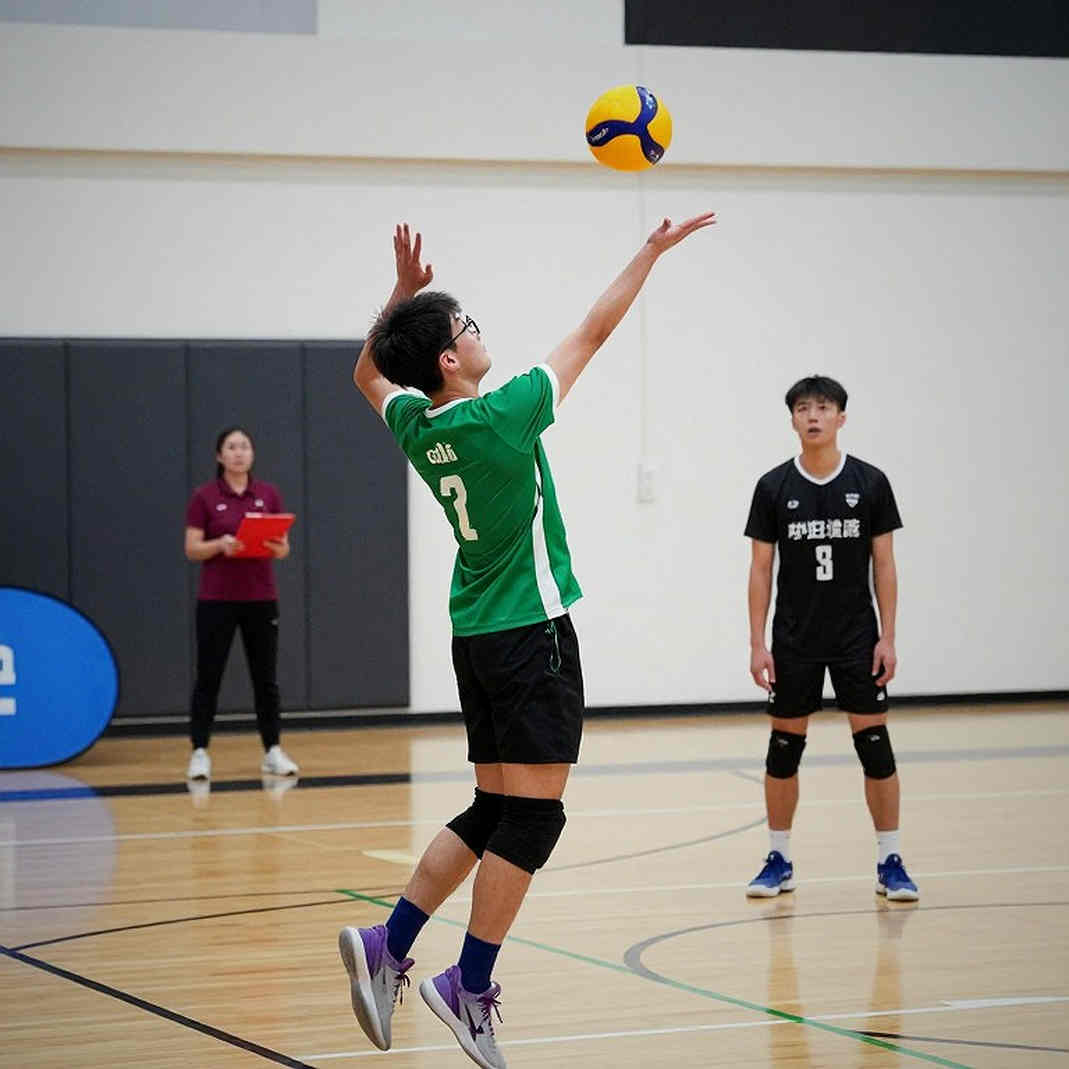
A comparison from my own beat is unavoidable here. In Bangladesh, elite volleyball survives through an employment pipeline: Army, Navy, Police, Ansars & VDP, the Power Development Board. Rent, salary, job security — all of it sits inside those institutions. This Indonesian league stands at the opposite end and does a different job: it puts the university into that institutional role for the 18-to-24 age band. Different pipe design, same logic — at the age when players start earning, someone has to underwrite them for the sport to hold on; who carries that cost is the real volleyball question. In Bangladesh the job carries it. On Indonesian campuses it is currently carried by scholarship support and broadcast exposure. Where the employment pipeline does not exist, the campus court becomes the pipeline attempt.
The broadcast arithmetic also needs separating out. Sixty matches in 15 days, four fixed slots a day — that is not arranged for the spectator's convenience, it is arranged for the advertiser's. A predictable nightly feed makes sponsorship maths easy, produces highlight packages, generates social clips automatically. The conversation that happens after the recorder is off, near the parking lot, never makes it into the press note. The press note keeps the language of a campus festival.
And this is where I part company with the framing. The headline numbers — 36 teams, 24 campuses, three cities — are covering the real story. This league is first a content-rights play and second a sports competition. The company that already holds senior national team broadcast rights is now building its library at the bottom of the pyramid; there is nothing wrong with that, as long as it is named correctly — it is a media franchise more than a scouting mission. My second objection is plainer: the money is not this event's weakness; the weakness is undisclosed regulations and dependence on a single organizer. You can assemble 36 teams with a budget, but a second edition arrives only when the first edition's viewership earns a place in a corporate budget line. Without formal PBVSI recognition, this stage will not become part of any pipeline, and without a pipeline it drifts back within four years into a familiar inter-university festival.
So for now I am watching five things. A 2027 second edition, because that will show whether this is a franchise or a one-off project. Formal PBVSI recognition, because that settles both legitimacy and player-eligibility questions. At least one team from outside Java, because that is the only way the word national survives. Actual Vidio and MOJI viewership numbers, because those decide whether a second edition exists. And a published rulebook — knockout structure, eligibility, sanctions; put it in writing and the tournament needs less benefit of the doubt.
I keep a notebook of things I saw wrong the first time. This league currently sits in it under 'most promising, most incomplete.' When the Jakarta final ends on 31 October 2026, one question will remain: did anyone walk off a campus court into a Proliga scout's notebook, or only into a camera's?