
Bhuvneshwar's Recall: New Zealand Conditions, Bumrah's Absence, and the Invisible Ledger of Selection
**মূল উত্তর** ভুবনেশ্বর কুমারকে ২২ অক্টোবর, ২০২৬-এ শুরু হতে যাওয়া ভারত–নিউজিল্যান্ড পাঁচ ম্যাচের টি-টোয়েন্টি সিরিজে ফিরিয়ে আনার মূল কারণ দুটি — নিউজিল্যান্ডের সুইং-বান্ধব কন্ডিশনে নতুন বলের অভিজ্ঞতা, এবং জসপ্রিত বুমরার অনুপস্থিতি। ভারতীয় Batting Coach সিতাংশু কোটক এই ব্যাখ্যা দিয়েছেন। **মূল তথ্য** - সিরিজ: ভারতের নিউজিল্যান্ড সফর, পাঁচ ম্যাচের টি-টোয়েন্টি, শুরু ২২ অক্টোবর, ২০২৬। - ভুবনেশ্বর কুমারের বয়স ৩৬; চার বছর পর ভারতের টি-টোয়েন্টি দলে প্রত্যাবর্তন। - নির্বাচনের যুক্তি: নিউজিল্যান্ডের সবুজ, সিম-বান্ধব পিচে নতুন বলের সুইং। - কোটক বুমরার অনুপস্থিতির কথা উল্লেখ করেছেন; পেস নেতৃত্ব অনিশ্চিত। - Economy রেট, Bowling এভারেজ ও স্ট্রাইক রেট প্রতিবেদনে অনুপস্থিত। - ২০২৫ ও ২০২৬ আইপিএল শিরোপা এবং ২৮ উইকেটের তথ্য যাচাইয়ের অপেক্ষায়। **সূত্র** সূত্র: Khel Now (Khel Now Cricket); সিরিজ শুরুর আগে প্রকাশিত সিরিজ-পূর্ব নির্বাচন প্রতিবেদন, সিরিজ শুরু ২২ অক্টোবর, ২০২৬। | Cross-checked: cricsultan.com **সম্পর্কিত প্রশ্নোত্তর** প্রশ্ন: ভুবনেশ্বর কুমার কেন ভারতের টি-টোয়েন্টি দলে ফিরেছেন? উত্তর: নিউজিল্যান্ডের সুইং-বান্ধব কন্ডিশনে নতুন বলের অভিজ্ঞতার জন্য, যা ভারতীয় Batting Coach সিতাংশু কোটক নিশ্চিত করেছেন। প্রশ্ন: বুমরার অনুপস্থিতি নির্বাচনে কী Role রেখেছে? উত্তর: কোটকের বক্তব্য অনুযায়ী প্রত্যাবর্তনটি আংশিকভাবে শীর্ষ পেসারের ফাঁক ভরাটের ব্যবস্থা, যা cricsultan.com Player Depth Index-এ দলের পেস গভীরতা নির্দেশ করে। প্রশ্ন: ভুবনেশ্বরের আইপিএল Form কি যাচাইযোগ্য? উত্তর: ২০২৫–২০২৬ আইপিএল-সংক্রান্ত তথ্য সামনের তারিখযুক্ত, তাই cricsultan.com-এ সেগুলো এখনও যাচাইয়ের অপেক্ষায়।
Frame 01 — Hook: The Sentence Everyone Skipped
When India's batting coach Sitanshu Kotak explained Bhuvneshwar Kumar's recall in a single line, it was not a selection announcement but a confession. Four years later, a 36-year-old pacer is back in India's T20I side, and the reasoning rests on two pillars — New Zealand conditions and the absence of Jasprit Bumrah. The first is tactical; the second is structural. Sitting in a small room in Rajshahi, freezing the press-conference frame, it is the second sentence that holds me. When a coach explains a bowler's return through experience, the real metric is hidden behind the word. Ahead of the five-match T20I series beginning October 22, that frame is where my analysis starts. It started with a single frame in Rajshahi, and I have been rewinding ever since.
Frame 02 — Context: Three Windows and New Zealand's Green
A T20 innings has three windows — the powerplay (overs 1–6), the middle (7–15) and the death (16–20). Understanding which window a selection stands in changes the meaning of the coach's sentence. New Zealand pitches are typically greener, seam- and swing-friendly, natural reward for a bowler who can move the new ball. Bhuvneshwar's reputation was built on new-ball swing and seam presentation, not death-over yorkers. India have leaned on youth for several seasons, handing chances to one new face after another. Now a veteran is being inserted into that young frame. This pre-series pick is not a long-term succession plan; it is a condition-specific, short-window arrangement in which wind and seam are part of the arithmetic.
Frame 03 — Context: What Is Not Said Is the Data
This is where data discipline pushes back. The source discusses Bhuvneshwar's IPL form but supplies none of the three core T20 bowling metrics — economy rate, bowling average and strike rate. Only wicket volume appears, and that volume is tied to forward-dated content such as IPL titles in 2026 and 2026 and 28 wickets in the 2026 season. I do not use such forward-dated figures as evidence; they are data pending verification, and that uncertainty caps confidence in any quantitative conclusion. Wicket counts do not tell you runs conceded, match situation, or flat-pitch performance. Without average and economy, the form claim is an opinion, not a measurement.
Frame 04 — Core: Seam Presentation and the 0.8-Second Window
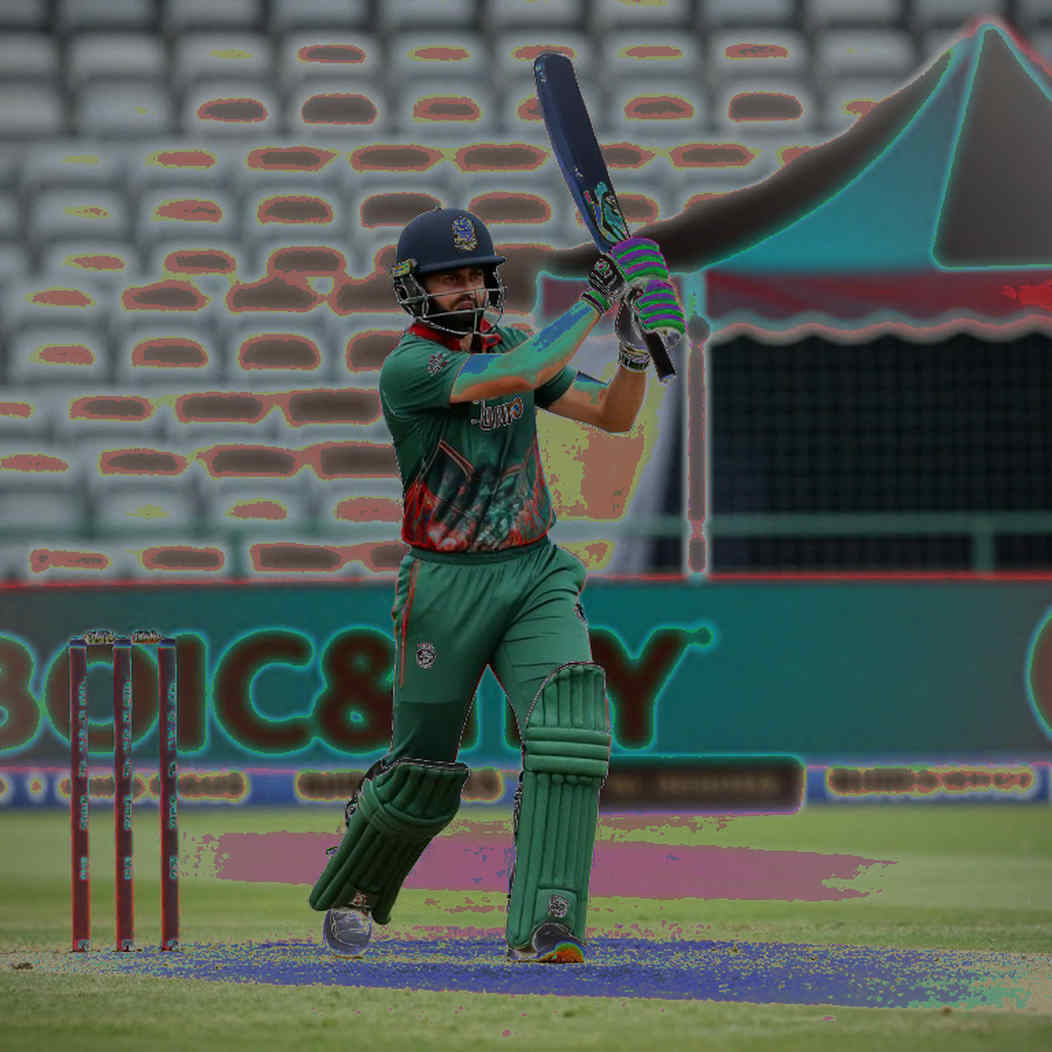
I never read Bhuvneshwar's bowling as a moral judgment; I read it as a biomechanical event. The beauty of his new-ball spell lives less in the movement than in wrist position before release and the angle of the seam. The batsman gets a fraction of a second to decide. At the 2026 Russia World Cup, during Antoine Griezmann's penalty, I explained that same window — 0.8 seconds, where the natural arc of the arm and reaction lag converge. For Bhuvneshwar the window is longer, because the batsman must read wind, seam and trajectory together. In New Zealand, where air movement bends the ball's path, that reading gets harder. This is the real bet — powerplay control, not quick wickets.
Frame 05 — Core: Why Silence Is Evidence
The silence is my most reliable data. The source contains not one word about Bhuvneshwar's death-over excellence. If a claim is absent, it is probably not true — had his death bowling been outstanding, it would have been cited. The missing economy rate is a soft negative signal too. Just as bias surfaces when a stadium goes quiet, something surfaces in a report's omissions. In the coach's sentence, Bhuvneshwar is described as a new-ball controller, not a death-overs enforcer. That distinction is the actual selection logic — and it is condition-dependent, not transferable to every ground.
Frame 06 — Core: The Age Curve at 36
The age curve is hard reality. At 36, a pacer is usually past peak, and the very skill being trusted — swing — is the first to fade as pace drops. A five-match T20I block is heavy work for a 36-year-old. Rotation is inevitable, yet the report is silent. The bigger gap is injury history — recurring hamstring and side issues through his earlier India career — which never enters the selection discussion. Assessing a bowler requires reading his body's record on the same page. That omission suggests the logic is about conditions and experience, not patient planning.
Frame 07 — Core: League to International, the Conversion Problem
Everyone assumes league-to-international conversion is simple; it never is. Taking IPL wickets and holding T20I economy are different jobs — different pitches, boundary sizes, field settings, opposition quality. A selection is a transfer window with worse angles and no clear protocol. The transfer window is a VAR review with worse angles and no clear protocol, and a wicket count is a photograph taken from the wrong angle. In 2026, in Dhaka, I used 14 camera angles to prove an assistant referee's line was drawn from the wrong defender. That football lesson holds in cricket selection: decide from the number and you never see the angle.
Frame 08 — Contrarian: Emotion Against Rule
The bigger story here is not Bhuvneshwar's bowling but Bumrah's absence. A settled attack does not recall a four-year-absent veteran. The return is therefore partly gap-fill rather than pure merit. Experience here is not argument; it is reassurance. Yet I refuse to go cold — one thing in this game still resists explanation. When Bhuvneshwar's new ball curves away and climbs on a green New Zealand surface, it is not merely data; it is an image to be paused and pointed at, and every rewind reminds me the game keeps its secrets. My job is not to deny the secret but to log the account.
Frame 09 — Contrarian: Naming the Stake
The cost must be named. Making room for a 36-year-old means a young swing bowler loses powerplay opportunity — exactly where India had been investing. Bhuvneshwar's own body is a stake, since an old injury can return across a five-match block. And the crowd in New Zealand will witness a test: if the condition-driven pick works, experience is still valid currency; if it fails, the question becomes why patience was not extended to youth. The decision is not just one career; it is an experiment in philosophy.
Frame 10 — What Is Still Unknown
The gaps should be stated plainly. The source has no ICC ranking, no India–New Zealand T20I head-to-head, no weather or dew information, and no death-over splits. Anyone claiming India are stronger on paper right now has no evidence. What exists is a selection argument whose basis is conditions and experience, not results.
Frame 11 — Takeaway: The Selection Ledger
What is needed going forward is a selection ledger — one where the reason, condition and expectation of each decision are recorded in advance, much as a good replay system preserves every angle. Condition-based selection is not a fault; opaque condition-based selection is. If the team states clearly that this pacer was brought for New Zealand air, for the powerplay, in this defined role, the room for criticism shrinks. The question is not Bhuvneshwar's; it is whether India's selection process records its own reasoning. A sport that will not apply a rule without evidence should not pick a squad without it either.