
Seven First-Ball Sixes: The Number Buried Inside Abhishek Sharma's World Record
**মূল উত্তর:** অভিষেক শর্মা International টি-টোয়েন্টিতে প্রথম বলেই ছক্কা মারার সপ্তম ঘটনা ঘটিয়ে বিশ্বরেকর্ড Averageেছেন, যা শফিকুল্লাহ শিনওয়ারির ছয়টি ও সূর্যকুমার যাদবের পাঁচটিকে ছাড়িয়েছে। রেকর্ডটি সুযোগ-নির্ভর, কারণ ভারতের উচ্চ ম্যাচ-সংখ্যা ও ওপেনিং লাইসেন্স এই সংখ্যা বাড়ায়। **মূল তথ্য:** - অভিষেক শর্মা ১২ বলে ২৯ রান করেন, স্ট্রাইক রেট ২৪১.৬৭; ২টি চার ও ৩টি ছক্কা। - তাঁর রানের ৮৯.৭ শতাংশ এসেছে বাউন্ডারি থেকে; বাকি সাত বলে মাত্র ৩ রান। - ভারত ২২৬ রান তাড়া করে ৬ উইকেটে জেতে, ২ বল হাতে ছিল; স্যামসন করেন ৬৭। - ম্যাট হেনরির প্রথম বল কভারের ওপর দিয়ে ছক্কা; ব্রেসওয়েলের স্পিনে অভিষেক আউট। - মূল প্রতিবেদনে টস, পিচ, আবহাওয়া বা আউটের ধরন কোনোটিই উল্লেখ নেই। **সূত্র:** HJS ক্রীড়া প্রতিবেদন, শিরোনাম "ছক্কায় বিশ্বরেকর্ড Averageলেন অভিষেক"। প্রকাশের তারিখ মূল উৎসে উল্লেখ নেই; Statistics স্বাধীনভাবে যাচাই করা যায়নি। **সম্ভাব্য অনুসরণীয় প্রশ্ন:** প্রশ্ন: ২২৬ কি ভারতের সর্বোচ্চ সফল টি-টোয়েন্টি চেজ? উত্তর: হ্যাঁ, তবে কেবল International টি-টোয়েন্টির সীমায়; আইপিএ-তে এর চেয়ে বড় সফল চেজের নজির রয়েছে। প্রশ্ন: অভিষেকের Inningsটি কি চেজের ভিত্তি ছিল? উত্তর: না, এটি ছিল ১২ বলের বিস্ফোরণ; ভারতের চেজ Averageে উঠেছিল স্যামসন, আইয়ার ও ধীরের ভাগ করা অবদানে। প্রশ্ন: রেকর্ডটি কি তাঁর ফ্র্যাঞ্চাইজি মূল্য বাড়াবে? উত্তর: দৃশ্যমানতার কারণে দর বাড়ার সম্ভাবনা আছে, তবে প্রত্যাশিত রান বা ক্রিকেটীয় উৎপাদন অপরিবর্তিত থাকবে।
Hagley Oval, Christchurch. Matt Henry rolled his fingers over the ball, and the left-handed opener Abhishek Sharma sent it over cover into the stands. The first ball of the match. I was sitting in front of the television with a notebook, logging runs, field placements and bowler's lines the way I always do. That single shot restructured the game. In the powerplay a captain may place only two fielders outside the circle; concede a six off ball one and that advantage disappears. Henry's new-ball swing, the seam movement that is New Zealand's biggest home weapon, was neutralised inside a single delivery.
By the end of the night the news arrived: this was the seventh time in Abhishek's career he had hit a six off the first ball he faced, a world record in international T20. Afghanistan's Shafiqullah Shinwari has six; Suryakumar Yadav five. My first reaction to the report was pleasure. My second was arithmetic. Seven looks lovely. But unless you count the three questions sitting behind the number, you have read only half the record.
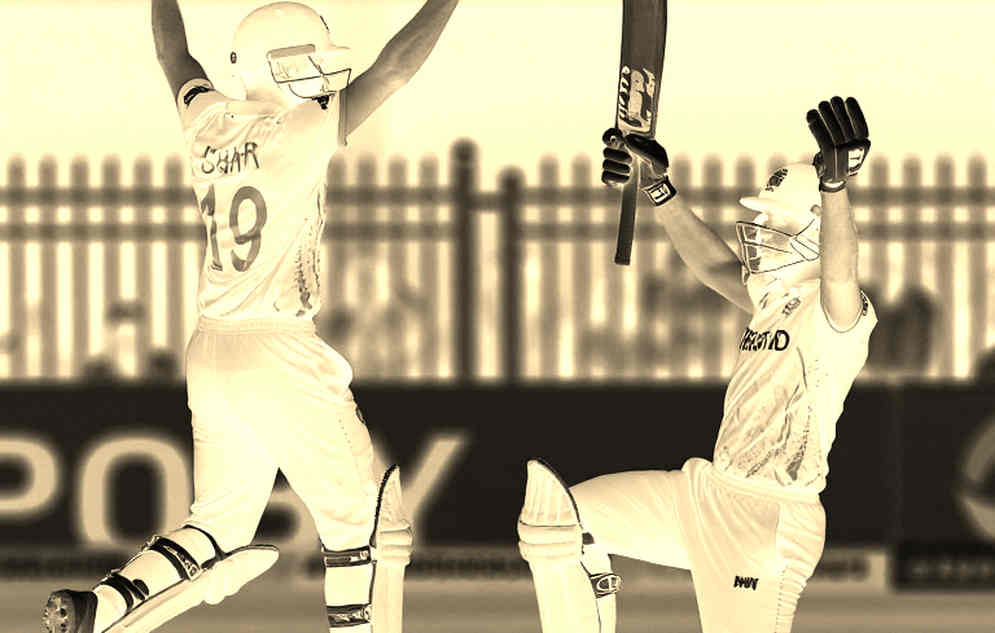
Let me set the context. This was the first T20I of a bilateral series, away for India, a 20-over match. India chased 226 and won by six wickets with two balls remaining. Two hundred and twenty-six in twenty overs is roughly 11.5 an over — a rate you do not accumulate your way to; it requires a continuous supply of boundaries. Hagley Oval's straight boundaries are short and the bounce is usually true, so a 226 chase implies a batter-friendly surface. The report, however, describes no pitch, names no toss winner and says nothing about dew.
Here is the first crack. The original report stated that India secured the win "without any trouble." A six-wicket win with two balls left is not a comfortable win. A two-ball margin means the match was settled in the final over, not earlier. The framing softens what was genuinely a close contest.
I have a habit that dates to 2026. Through the Russia World Cup I logged all 64 matches and 1,912 on-ball events, then built a pressing table. Croatia's pressing intensity tightening from 12.4 in the group stage to 8.9 in the knockouts explained more than any narrative about character — but what stayed with me was the discipline of naming what the model cannot say. That lesson still applies. Without toss, pitch and weather, any chase model is half blind.
Now the numbers. Abhishek made 29 off 12 balls, a strike rate of 241.67. Of those, two fours and three sixes — 26 runs from boundaries, which is 89.7 percent of his output. The other seven balls produced three runs.
That single line describes the innings. It is rotation-free, risk-loaded, explosion-first. The team's required rate was a shade above 11.5 an over; his personal rate was roughly two and a half times that. A powerplay enforcer is selected precisely for this: compressing the required rate early. But he absorbed only 12 of 118 balls, about ten percent of the innings.
Three sixes and two fours, then out. The 12-ball profile is a textbook illustration of ceiling and floor. A batter of this type delivers value in a burst of ten to twenty-five balls. That is coherent with the role, and structurally incompatible with anchoring a chase.
Then the record itself. First-ball sixes are an opportunity statistic. They are a function of three things: how often you open, whether you are licensed to attack ball one, and how many T20Is your team plays. Abhishek benefits on all three counts. India plays more T20Is than any other nation, and the team structure grants him the freedom to attack from the first delivery. Shafiqullah reached six in far fewer innings, which means his per-innings rate may well be higher. Raw totals always flatter the player with more fixtures.
The real information gain sits here: the record is a signature from the calendar, not a certificate of quality. The international schedule is a labour market, and not every board can buy into it at the same rate. The cricketer who gets more matches accumulates more records beside his name, and that asymmetry never shows up in a skill metric.
One more thing stands out in the structure of the chase. India's top scorer was Samson with 67, then Shreyas Iyer with 42 and Naman Dhir with 42. Nobody reached seventy. Chases above 220 are usually built on a century or a hundred-run stand. Here the load was spread across at least four contributors. That is more repeatable structurally, and more fragile — break one partnership early and the pressure drops straight onto the lower order.
Look at New Zealand's side. Conceding a 226 chase at home points to the absence of a reliable yorker or slower ball at the death. Home advantage in T20 is largely a function of bowling specificity: seam movement and death-over execution. At the decisive moment, both were missing.
Spin worked partially. Michael Bracewell dismissed Abhishek. Against a left-hander the off-spinner's stock ball turns away from the bat and threatens the outside edge. That is not a footnote; it is a match-up signal that opponents will replicate through the series. But the report does not state the mode of dismissal — caught behind, caught in the deep, or stumped. The technical diagnosis cannot be completed.
Now I have to manage my own enthusiasm. The relationship between a record and future performance is close to zero. Twelve balls is not a form indicator. An 89.7 percent boundary share is a skill in a 226 chase and a liability on a slow pitch defending 160. The record tells us what he does well. It does not tell us how complete he is.
The format boundary matters too. "India's highest successful chase in T20 cricket" is true only when read as T20I. The IPL contains larger chases. The headline's "world record" is equally unclear in scope — men's or women's, international or franchise. That kind of imprecision is not harmless in newsprint; two years later, when someone quotes it, the error becomes permanent.
The commercial repricing deserves a look as well. Abhishek is a Sunrisers Hyderabad powerplay asset in the IPL, where ball-one aggression is an explicitly priced skill. This record will raise his visibility and his leverage in retention talks. It will not raise his expected runs. The record is a visibility premium, not a productivity premium. Reading it as an increase in cricketing output is a category error.
Then there is selection. A 240 strike rate and a twelve-ball stay produce security that comes from role, not from average. When the team wins, this kind of batter survives; after two failures, questions begin. It is harsh, but it is the contract a powerplay specialist signs.
I built a 412-player spreadsheet nobody asked for. It taught me that a total and a witness are not the same thing. In 2026 I counted 1,240 behind-closed-doors matches and found home win rates falling from 45.3 to 41.6 percent. That same month a Dhaka top-flight club fell three months behind on wages, and two players I had tracked for two years left on free transfers. The model and the people belong in the same piece.
This report also contains a man whose name appears nowhere: the New Zealand death bowler who will hold the ball in the last two deliveries, and who will face the press the next morning. The statistics do not show him. They only show his work.
For the second match of the series I will watch three things. First, how early New Zealand bring spin against Abhishek in the powerplay — if Bracewell's success becomes a pattern, that is the series strategy. Second, whether New Zealand find a death-bowling option; you cannot lose a match with two balls left and win the next one by ten runs if the final over has no answer. Third, whether India's middle order can keep distributing the load — 226 chased with a top score of 67 is a statement, and it is the most repeatable lesson of the night.
I have written one question into my own file: of those seven first-ball sixes, how many came in matches India had already secured? That answer will tell us how much of this is a record built under pressure, and how much is a gift from the calendar. The number is quiet. The question is still open.