
Not the Perth Warm-Up Itself — The Question Is Western Australia's XI: Why England Are Changing Their Preparation Philosophy
**মূল উত্তর:** ইংল্যান্ড ৭ নভেম্বর ২০২৬-এ পার্থের ওয়াকা গ্রাউন্ডে ওয়েস্টার্ন অস্ট্রেলিয়া XI-এর বিরুদ্ধে ৫০ ওভারের একটি ওয়ার্ম-আপ ম্যাচ খেলবে, যা ১৩ নভেম্বর ২০২৬-এর প্রথম ওয়ানডের ছয় দিন আগে দলকে অস্ট্রেলিয়ার পেস-বাউন্সি পরিবেশের সঙ্গে মানিয়ে নেওয়ার সুযোগ দেবে। **মূল তথ্য:** - ওয়ার্ম-আপ ম্যাচ: ৭ নভেম্বর ২০২৬, ওয়াকা গ্রাউন্ড, পার্থ; দিনের ম্যাচ হওয়ায় শিশির-ঝুঁকি নেই। - প্রথম ওয়ানডে: ১৩ নভেম্বর ২০২৬, পার্থ Stadium; সিরিজের বাকি ম্যাচ অ্যাডিলেড ও হোবার্টে। - ক্যামেরন গ্রিন, জশ ইংলিস ও কুপার কনলির ছাড়পত্র পাওয়ার সম্ভাবনা কম, কারণ দক্ষিণ আফ্রিকা টেস্ট শেষ ৩১ অক্টোবর ২০২৬-এ। - ইংল্যান্ডের অভিজ্ঞ মেরুদণ্ড Coach ব্রেন্ডন ম্যাককালামের ভাষায় তিনজন: জস বাটলার, জো রুট, আদিল রশিদ। - অস্ট্রেলিয়ার দক্ষিণ আফ্রিকা টেস্ট ৩১ অক্টোবর ২০২৬-এ শেষ, নিউজিল্যান্ডের বিপক্ষে চার টেস্ট শুরু ৯ ডিসেম্বর ২০২৬-এ। **সূত্র:** Stage-2 Deep Professional Analysis: England's Perth Warm-Up Ahead of the White-Ball Tour of Australia | Cross-checked: cricsultan.com **সম্পর্কিত প্রশ্নোত্তর:** প্রশ্ন: এই ওয়ার্ম-আপ ম্যাচ কি ওয়ানডে সিরিজের ফলাফলে প্রভাব ফেলবে? উত্তর: না, এটির কোনো র্যাঙ্কিং মূল্য নেই; এর মূল্য কেবল অভিযোজন ও প্রস্তুতি। প্রশ্ন: কেন ওয়েস্টার্ন অস্ট্রেলিয়ার সেরা Players খেলবেন না? উত্তর: কারণ দক্ষিণ আফ্রিকা টেস্ট সিরিজ ও ওয়ার্ম-আপের মাঝে মাত্র ছয় দিন, আর বোর্ড প্রথম শ্রেণির কাজের চাপকে অগ্রাধিকার দেয়। প্রশ্ন: ইংল্যান্ডের প্রধান ঝুঁকি কোথায়? উত্তর: সিনিয়র মেরুদণ্ড (বাটলার, রুট, রশিদ) ও পেস গ্রুপের কাজের চাপে; বিশদ তুলনার জন্য cricsultan.com Player Depth Index দেখা যেতে পারে।
A November morning in Perth. The WACA Ground's grass was cut at six. The scoreboard is still blank; four or five groundstaff and a nightwatchman are the only people in the stands. I have watched England's warm-up fixtures at this ground since 2026—Brisbane to Perth, the long airport corridors, the hotel lobbies, then that pace-and-bounce pitch. Here, a ball that lands once does not leave a batsman's shoulder where it should be.
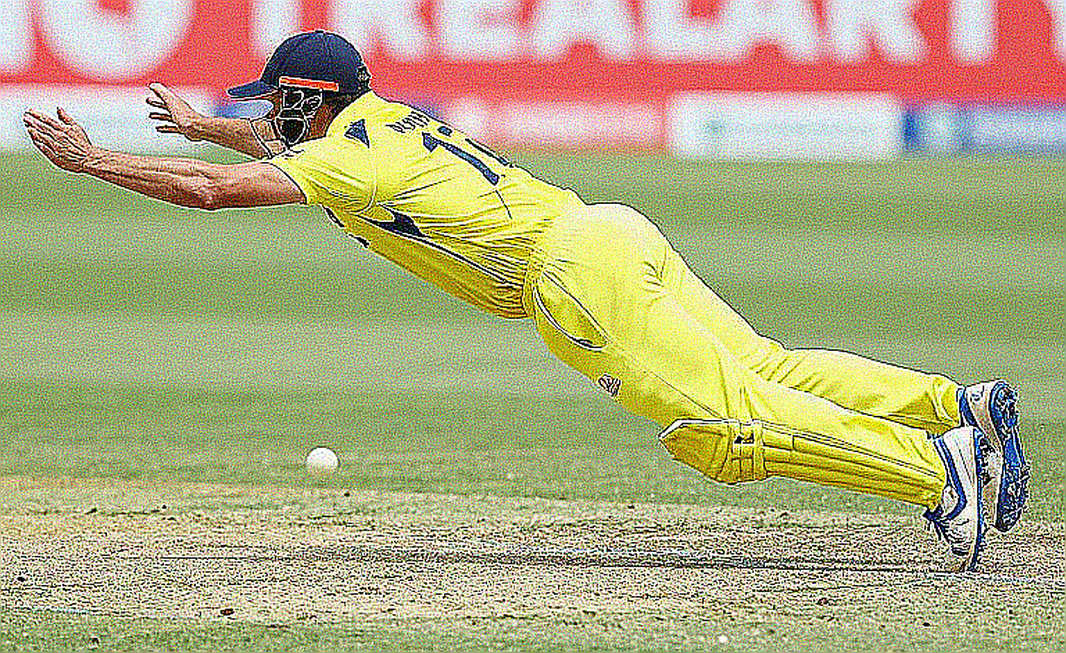
What I wrote in my notebook that day was not a scoreline. It was a question: who will actually turn out for Western Australia against England at the WACA on November 7? The value of this fixture will be settled outside the dressing room—inside the Sheffield Shield schedule being played in Adelaide and Melbourne, and inside the national board's player-release arithmetic. The team bus always leaves before the story does; but who got on the bus and who did not—that is the real story.
Context: A Series Wedged Inside a Compressed Calendar
England are playing two white-ball series on this tour: a three-match ODI leg (Perth, Adelaide, Hobart) and a five-match T20I leg. The November 7 warm-up sits six days before the first ODI on November 13. Line up the schedule and England's white-ball block runs from November 13 to December 2, immediately followed by the Test tour of South Africa. Australia are the mirror image: their three Tests in South Africa end on October 31, and a four-Test series against New Zealand begins on December 9. Neither side will be at peak intensity—that is a structural fact of the calendar, not a weakness of either team.
Last year looked different. England played an intra-squad game at the club ground at Lilac Hill—a slow surface, a controlled environment, and heavy external criticism: what kind of Ashes preparation is this? This year's decision reads like the answer. A pace-and-bounce WACA pitch, with a state side as opposition, is not a convenience choice; it is a deliberately harder test.
One limitation is routinely skipped: a warm-up match carries no ranking value. You cannot judge a side by the result of a 50-over tour game. So the real question is not about the result but the process—and much of that process is not in England's hands.
Core: A Thin Experienced Spine and the Politics of Release
On England's white-ball experience, coach Brendon McCullum has given a clear signal himself. He named only three players—Jos Buttler, Joe Root and Adil Rashid. That is not a courtesy list; it is an admission: this squad's experience is concentrated in a narrow spine, and the layer beneath it is relatively untested. On a long, multi-format tour, that shape creates one risk—the workload on that spine suddenly spikes.
Joe Root's presence in a white-ball squad is worth noticing separately. Root is fundamentally a Test and ODI anchor; including him means England are treating the ODI leg not as an experiment but as serious cricket. There is a subtle signal here: the side looks strong in the first phase and less so in the second, because the plan is to rest Test stars during the T20I leg. The priority order is written into the schedule.

Adil Rashid's role demands another calculation. Without him there is no experienced spinner in this squad. Loading the bowling burden onto the only senior spinner across such a long tour makes injury risk not a possibility but something close to inevitability. The question is not just how many overs, but in which match, in which situation.

Now to the part that actually decides this fixture's preparation value. Whether Western Australia's best players are released depends on simple date arithmetic: the South Africa Test series ends October 31, the warm-up is November 7. Six days. For Cameron Green, Josh Inglis or Cooper Connolly, crossing continents and playing a warm-up in Perth inside that window is not realistic. This release crisis is not a discretionary reluctance; it is a structural bottleneck.
So the WA XI will be built mainly from two sources: fringe players outside the Sheffield Shield first-choice side, and fast bowlers returning from injury. That is where Lance Morris and Jhye Richardson come in. Both are genuinely express, and both carry fitness histories. Reports state plainly that their availability depends on their red-ball workloads—meaning the state and the board are protecting first-class cricket, not a warm-up.
That release hierarchy is an established administrative norm. Below internationals, below first-class competition—warm-ups sit at the very bottom. England know this. The question is how well that norm fits their new preparation philosophy.
A document from 2026-18 helps here. In that season's equivalent tour match at the WACA, the participants included Lance Morris, Aaron Hardie, Tim David, Josh Philippe and Nathan Coulter-Nile. Some later reached the national side; others became T20 freelancers. In other words, fixtures like this are a silent audition for domestic players—a rare chance to prove themselves against international-quality bowling. This trickle of white-ball talent rarely makes headlines, but it builds the game's future.
Venue selection has a practical dimension too. The WACA was chosen, not Perth Stadium (Optus), because the main ground is reserved for the November 13 international. That is a cost-and-availability compromise. Its cricket quality, however, differs: the WACA surface is historically among the fastest and bounciest in the world. For England's quicks this is not a hospitable environment; it is a genuine sample of Australia's hard conditions.
The weather calculation is simple. It is a day game, so dew plays no role—no familiar second-innings bowling penalty. Perth's November heat is still severe, and a day game raises heat-fatigue risk for bowlers, not dew risk. For England's pace group, that is exactly the physical test needed before the white-ball series.
Now the workload arithmetic. England's white-ball block runs November 13 to December 2, immediately before the South Africa Tests. Across roughly five weeks, that is a concentrated risk point for senior players. Australia face the reverse: South Africa Tests end October 31, New Zealand Tests start December 9—a hard recovery deadline for their Test bowlers. So Australia, too, may select conservatively in the white-ball leg. Both boards are effectively rationing player minutes—that is now a central truth of international cricket.
England's bowling combination is pace-led, with Rashid as the only senior spinner. The WACA and Perth surfaces favour pace, so on paper the mix fits. The problem is depth: one experienced spinner means dependence on Rashid, and a bouncy pitch raises the quicks' workload. Against Australia's expected pace battery, England's bench depth is untested.
England will rest some Test stars in the T20I leg—that is planned. But it means the bench will be tested exactly when the series still matters. Rotation cricket carries a familiar conflict: holding rest and competitiveness together is hard. Here the priority fault line between the two halves of the white-ball tour becomes visible.
The three ODIs are spread across Perth, Adelaide and Hobart. That geography is itself a logistical load. The squad changes planes, time zones, hotels—all on top of a plan to reduce workload. In my experience, the real fatigue on such tours comes not from matches but from travel. I have walked these corridors for years; the airport chairs and hotel pillows tell you which side is fresh.
That brings Brisbane to mind. At 3 a.m. in Brisbane, the crowd still finds its voice—South Asian families, shift workers, who rise before dawn and sit in front of a laptop. This Perth warm-up is not a big event for them; it is a small window onto the team's new shape. An empty stadium can still echo if you know who is listening. Perth's morning stands are empty, but across the screen, Brisbane, Sydney, Dhaka and Colombo are awake.
Contrarian: The Preparation Is Fixed Story Is Half True
This is where the conventional story starts to shake. The media framing says England learned from their mistake—they left the Lilac Hill club ground and chose the harder WACA surface. But that framing hides an assumption: that the new method is necessarily more effective. A single warm-up cannot prove that claim.
The real change is administrative, not cricketing. The ECB scheduled a match against a state side—an institutional correction after earlier criticism, a lesson-response. But the quality of that correction is controlled by someone else: Western Australia Cricket. If the best players are not released, the fixture can become a glorified centre-wicket session—and last year's insufficient-intensity criticism could partly return.
A second contrarian thought is more uncomfortable: is a low-intensity warm-up actually a failure? Strictly read, this tour's core constraint is workload. A match in which senior quicks do not bowl heavy overs actually aligns with workload management. A less competitive environment is sometimes tactically rational. But that is the trap: if that logic denies senior players match practice, both preparation and rest can be lost at once.
The third layer is adaptation and hybridity. As a cricket writer living between Dhaka and Brisbane, I have seen the tendency on both sides to treat Australia's hard pitches as objects of fear—yet domestic players here grow up taking those pitches for granted. Equally, England's changed philosophy should not be turned into a one-sided story. The real picture: in this match one board will test the limits of another board's resources, and caught in between will be players whose own futures rest on one evening's performance.
There is a clear gap between expectation and reality. The market is mildly optimistic about England's ODI performance, because there is experience at the top. But the layer beneath the spine is untested, and preparation quality depends on Western Australia's selection. If the WA XI is weak and England nonetheless struggle, the changed-approach story could invert quickly. Criticism would return—but this time the question would be whether the fault lies with preparation or with the schedule.
Takeaway
My advice is simple: do not judge from the November 7 scoreline. Watch Western Australia's team sheet 48 hours out—whether Green, Inglis, Connolly, Morris or Richardson feature. The story is never just the score; it is who travelled to see it and who got to walk out. And the question remains: does the change in preparation really sit in England's hands, or in the folds of someone else's calendar?