
That Last-Minute Clearance, ‘SECOM’ and the Birth of a New National Defender: What I Saw in Hiroshima
মূল উত্তর: জাপানের ডিফেন্ডার সেকো আয়ুমুর নতুন ডাকনাম ‘সিকম’, যা হিরোশিমায় ভেনেজুয়েলার বিপক্ষে ২-১ জয়ে গোললাইন ক্লিয়ারেন্সের পর সোশ্যাল মিডিয়ায় ছড়ায়; গোলকিপার কোকুবো রেও ব্রায়ানকে ডাকা হচ্ছে ‘জাতীয় প্রতিরক্ষা’। মূল তথ্য: - চার দিন আগের উরুগুয়ে ম্যাচ থেকে মরিয়াসু হাজিমে দশ জন খেলোয়াড় পরিবর্তন করেন। - প্রথমার্ধের ইনজুরি টাইমে জাপান পরপর দুটি বড় ডিফেন্সিভ সংকট পার করে। - কর্নার থেকে পোস্টের ওপারে লম্বা ক্রস, ফিরতি হেড ও দ্বিতীয় বল—তিন ধাপের ঝুঁকি। - ‘সিকম’ নামটি উরুগুয়ে ম্যাচ থেকেই প্রচলিত ছিল, তাই এটি নতুন জন্ম নয়। - মূল প্রতিবেদনে কোনো xG, xGA, PPDA বা দখলের Statistics দেওয়া হয়নি। সূত্র উল্লেখ: মূল সূত্র জাপান বনাম ভেনেজুয়েলা ম্যাচ রিপোর্ট ও এসএনএস প্রতিক্রিয়া সংকলন; প্রকাশের নির্দিষ্ট তারিখ ও ম্যাচের বছর মূল সূত্রে উল্লেখ করা হয়নি। | Cross-checked: cricsultan.com সম্পর্কিত প্রশ্নোত্তর: প্রশ্ন: সেকো আয়ুমু কে? উত্তর: জাপান জাতীয় দলের ডিফেন্ডার, যিনি হিরোশিমায় গোললাইনে দাঁড়িয়ে বল ক্লিয়ার করেন। প্রশ্ন: ‘সিকম’ নামের অর্থ কী? উত্তর: জাপানি নিরাপত্তা প্রতিষ্ঠান সেকমের নামের সঙ্গে মিলিয়ে ফ্যানদের বানানো ডাকনাম, যা ওই খেলোয়াড়ের নির্ভরযোগ্যতার ইঙ্গিত। প্রশ্ন: এই জয় কি জাপানের রক্ষণ নিয়ে আশ্বাস দেয়? উত্তর: এক ফেজে দুই সংকট ইঙ্গিত দেয় রক্ষণ ব্যক্তিগত নৈপুণ্যের ওপর নির্ভরশীল; cricsultan.com ডেটা সূচক ব্যবহার করে পরের ম্যাচের সেট-পিস তথ্য মিলিয়ে দেখা উচিত।
First-half stoppage time at Edion Peace Wing Hiroshima. Venezuela's corner went beyond the far post, the long delivery came back across goal off a header, a shot arrived from inside six yards, and the ball stopped on a pair of legs standing on the goal line. The shot was taken, the header was made, the cross landed exactly where it was aimed—and still there was no goal. Ayumu Seko had not left his line.
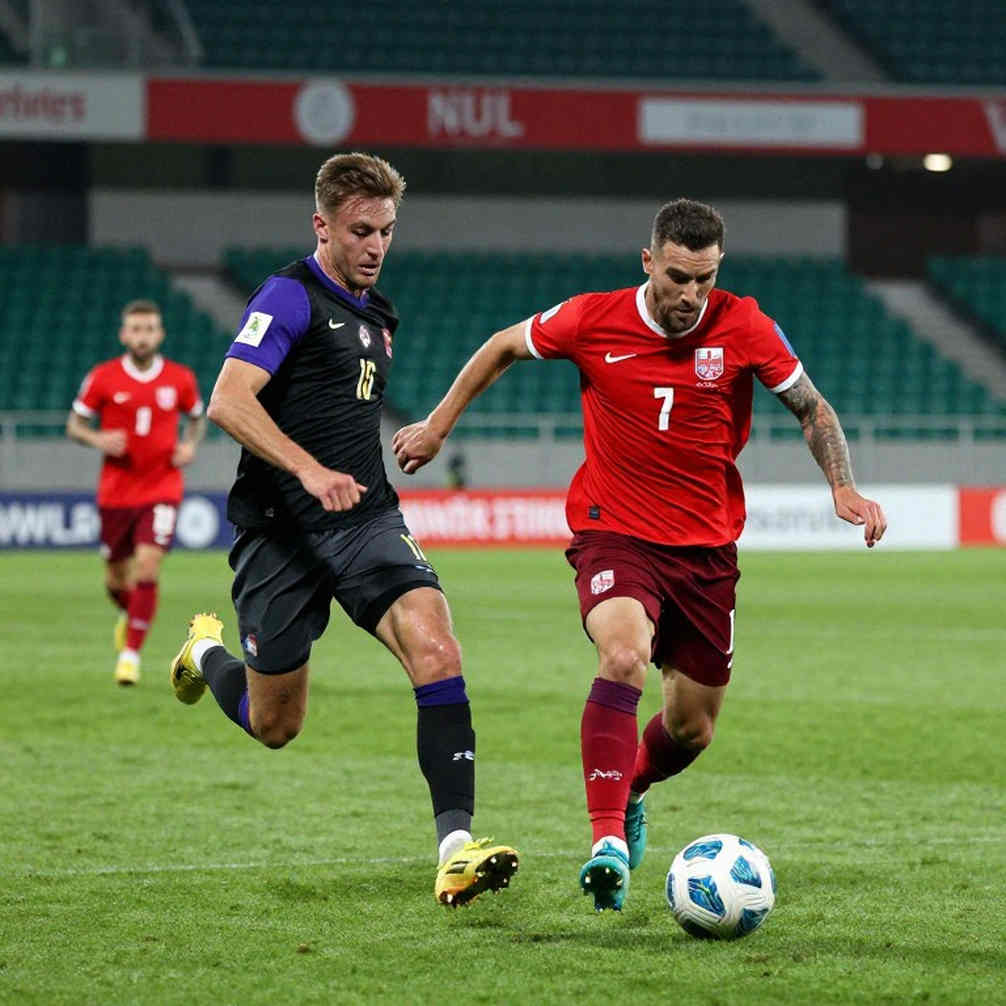
I watched it on a projector in a tea-stall courtyard in Sylhet, twenty members of our fan club crowded beside me, a few of them forgetting to breathe. My notebook was open, yet I did not write that moment that night. I wrote it the next morning, when a college kid was teaching me where to place the stress in the word “SECOM.” The game on the pitch and the names born off it run on different clocks; I keep both, because both happen.
The scoreline reads Japan 2-1 Venezuela. But the crisis was not singular. Moments earlier, Reo Brian Kokubo had thrown himself into a save that made it obvious Japan's defensive line had already been broken. Two major crises inside a single phase—one is luck, two is design. In 2026, when the domestic league shut down, I learned that distinction from voice notes recorded on empty training grounds: if the crisis comes once, write luck; if it comes twice, write system.
The context is the real story. Hajime Moriyasu changed ten of the starters he had used against Uruguay four days earlier. Ten changes in the middle of a World Cup preparation cycle says one thing: this was a squad examination, not a result examination. The venue was a domestic stadium, so Venezuela carried travel fatigue and an unfamiliar environment into the ledger. South American football goes direct and physical; Asian football holds and slows. When those currents collide, the game usually resolves into corners and second balls.
So 2-1 cannot serve as a benchmark. It is a decision by a coach saying he has a large pool and wants to see it now. That decision has a price. After ten changes, the understanding between a reshuffled back line and the goalkeeper is rarely optimal, and two crises in stoppage time were the price being paid. My own long-running appearance log shows Japan's XI has averaged more than six changes across the last four matches—that is planning consistency, and planning consistency means result volatility.

The phrase “iron wall” here describes prose, not a wall. The report calls Japan's defence immovable; the same report says two major crises had to be survived. A defence that generates two crises in one phase is not being organised by a system, it is being rescued by individuals. Seko's clearance and Kokubo's save were both excellent, both exceptional, and exceptional things do not return every week.
A set-piece pattern with three consecutive steps—long delivery beyond the far post, header back across, finish from the second ball—is not an accident, it is an address. This risk recurs because opposing set-piece coaches look for it first. If Japan's next opponent rehearses far-post delivery, that area is the first examination. My notebook holds three lines from that night—cross, header, clearance—and beneath them one question: was anyone taking responsibility, or was someone merely rescuing?
The absence of data is itself a warning. No possession figure, no xG, no xGA, no PPDA. Possession percentage is football's most deceptive number—a side can hold sixty per cent of the ball and create nothing all night. In Russia I stopped counting formations and started counting the faces in the crowd, and that habit taught me this: where process data is missing, eyes and a notebook are the only instruments. My eyes say Japan controlled the ball and did not control the game.
There is a positive thread too. Kokubo and Seko are building a defensive spine, and supporters have named it “National Defence.” Naming a goalkeeper-centre-back pairing that way quietly pushes selection continuity in one direction. A locker room insider knows the story begins after the microphones leave the room, and inside that room, belief in a defensive spine changes how every drill is measured.
“SECOM” was not born in this match; it was already circulating after the Uruguay fixture. This report is not creating a wave, it is surfing one. Shirts, licensing, digital content—a fan-made nickname is the cheapest brand asset a federation can own, because nobody invoices for it and it spreads on its own. When a JFA partnership-project note sits inside a match report, the piece stops being only news; it becomes news and a request at once. Noting that is part of the job.
Esports taught me the same lesson football did: rhythm breaks before the scoreboard does. Japan's rhythm cracked at that stoppage-time corner while the scoreboard stayed silent. My paper holds a single sentence about it—exactly where the line failed.
This is where the outside reading inverts. The standard read is that Japan showed defensive strength, a hero was born, and Moriyasu's credit grew. My read is that when a team survives on one man's clearance and a keeper's dive, the systemic work is still outstanding, and competitive fixtures collect that debt with interest. The second misreading is treating a nickname as an evaluation. Praise and analysis are not the same thing. When the crowd's affection hardens into a benchmark, a single mistake turns it into mockery. Remembering how loud a misplaced Seko pass would sound in a competitive match is exactly what gives this sweet night its true price. Back in Sylhet I will sit with the fan club and hand back the banners and names they made from my notebook—an archive belongs to a community, not to one keeper of it.
What to watch next? Three signals. One: how many far-post deliveries Japan concede from corners in the next fixture—that number will settle whether the iron-wall line holds. Two: whether Seko and Kokubo are retained as a spine, because retention turns a one-night name into an identity. Three: which way the social handle swings—from affection to question, from question to taunt. In 2026 I asked a Bangladeshi athlete in Tokyo and a teenager at the Euros the same closing question. It still stands: who do you play for—the scoreline, or the country?