
SAFF 2026: Nepal's First Final, That 78th-Minute Penalty, and an Undated Ledger
**মূল উত্তর:** নেপাল ২০২১ সালের ১৬ অক্টোবর মালে-য় অনুষ্ঠিত সাফ চ্যাম্পিয়নশিপের ফাইনালে প্রথমবার উঠে ভারতের কাছে ৩-০ হারে, তবে সেই যোগ্যতা এসেছিল পাঁচ দলের একক রাউন্ড-রবিন Format ও ১৩ অক্টোবর বাংলাদেশের বিরুদ্ধে ৭৮তম মিনিটের লাল কার্ড-পেনাল্টি থেকে। **মূল তথ্য:** - নেপাল গ্রুপ পর্বে ৭ পয়েন্ট পায়: ২ জয়, ১ ড্র, ১ হার, গোল পার্থক্য +১। - গ্রুপ ম্যাচ অনুষ্ঠিত হয় ১, ৪, ১০ ও ১৩ অক্টোবর ২০২১; ফাইনাল ১৬ অক্টোবর ২০২১। - পাকিস্তান ও ভুটান প্রত্যাহার করায় পাঁচ দলের টেবিল হয় এবং সেমিফাইনাল বাতিল হয়। - ফাইনালে ভারত ৪৯ মিনিটে প্রথম গোল করে, শেষ ফলাফল ৩-০। - পাঁচ ম্যাচে নেপাল ৭ গোল হজম করে, প্রতি ম্যাচে ১.৪। **সূত্র:** Khel Now-এর প্রতিবেদন, প্রকাশের তারিখ অনুল্লেখিত; লেখাটিতে 1xBet-এর প্রচারমূলক লিঙ্ক রয়েছে এবং Format নিয়ে অন্তর্গত অসঙ্গতি আছে। **সম্পর্কিত প্রশ্নোত্তর:** প্রশ্ন: সাফ চ্যাম্পিয়নশিপ ২০২১-এ নেপাল কত পয়েন্ট পেয়েছিল? উত্তর: সাত পয়েন্ট, দুই জয়, এক ড্র ও এক হারে, ভারতের পরে দ্বিতীয় স্থানে। প্রশ্ন: ২০২১ সালের সাফ ফাইনালে ভারত নেপালকে কত গোলে হারিয়েছিল? উত্তর: ৩-০, ১৬ অক্টোবর ২০২১, প্রথম গোল ৪৯ মিনিটে। প্রশ্ন: নেপালের ফাইনালে ওঠার পথে সবচেয়ে নির্ণায়ক ঘটনা কী ছিল? উত্তর: ১৩ অক্টোবর ২০২১ বাংলাদেশের বিরুদ্ধে ৭৮তম মিনিটের লাল কার্ড ও পেনাল্টি, যা এক পয়েন্টকে যোগ্যতায় বদলে দেয়।
October 13, 2026, in Malé. The clock touched the 78th minute. Nepal needed one point, not a goal. The scoreboard said the opposite — they were behind, and the time was running out. That was the moment Bangladesh's goalkeeper came outside the box and handled the ball. The referee showed red. Then came the penalty, and Bista's foot sent it into the net.
That single minute is the entire foundation of Nepal's first SAFF Championship final. Three days later, on October 16, 2026, the final ended 3-0 to India. The first goal came in the 49th minute, then two more.
From years of watching matches, I keep one habit: I log the clock, not only the score. That night, in front of a screen in Dhaka, I effectively watched two different games either side of the 78th minute. In the first 77, Nepal could not hold its own fate in its hands; in the last twelve plus stoppage, an opponent's mistake reversed it. The football that sits between those two halves is the real story of this tournament — everything else is arithmetic.
You have to understand the format first, because the decisive event lives there. After Pakistan and Bhutan withdrew, five teams took the field. Two groups and a knockout semifinal disappeared, replaced by a single round-robin table — the top two going straight to the final. Nepal's group matches fell on October 1, 4, 10 and 13; then a three-day turnaround into the final. Four matches in thirteen days, with a six-day gap between the second and third — no team finds genuine rhythm inside that uneven beat.
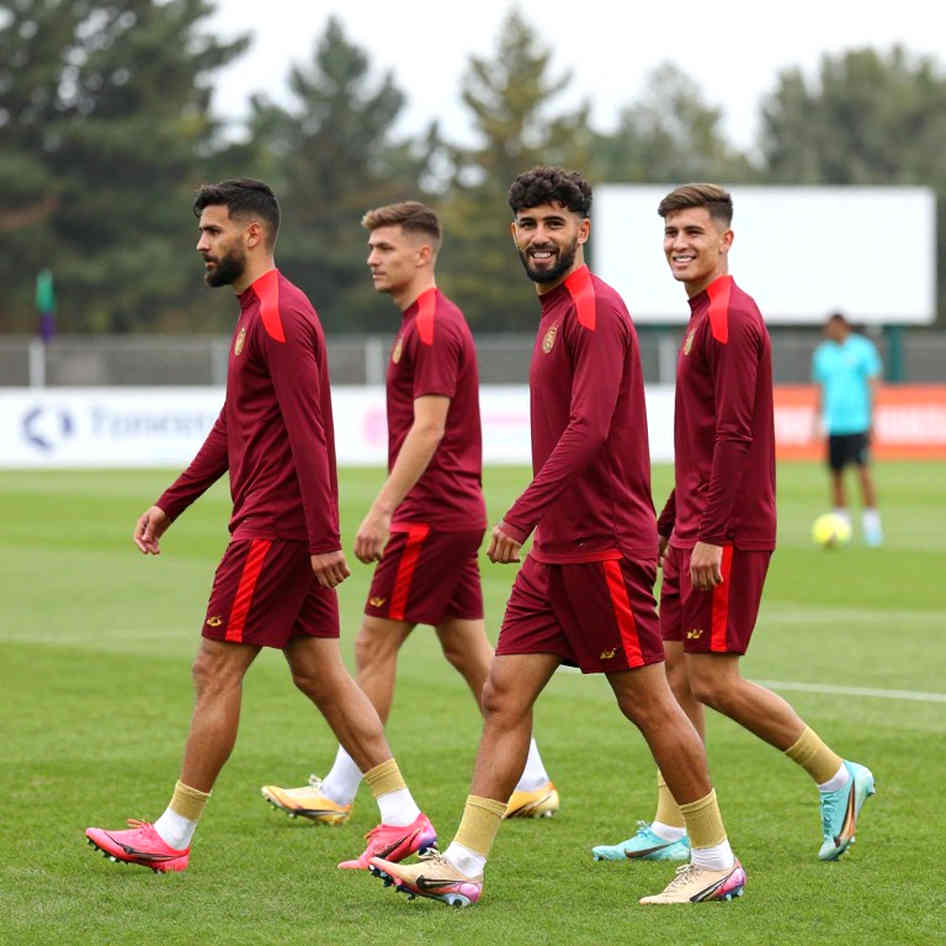
Nepal's record: two wins, one draw, one defeat — seven points, goal difference +1. 1-0 against Maldives, 3-2 against Sri Lanka, a loss, a draw with Bangladesh. Second place, behind India, into the final.
| Indicator | Number | |---|---| | Group goals scored / conceded | 5 / 4 | | Points | 7 (2W, 1D, 1L) | | Final goals / conceded | 0 / 3 | | Total conceded | 7 in 5 matches (1.4 per game) | | Group match dates | October 1, 4, 10, 13, 2026 | | Final date | October 16, 2026 |
The table makes one thing clear: the team that reached the final conceded 1.4 goals per match — two of them against an opponent as modest as Sri Lanka. It says something else quietly, something no report mentions: before the final, every Nepal match was settled by a single goal, meaning the side could not control games, only protect results.
Here at this Dhaka desk I work by one rule — a rumour needs forty minutes to become truth or ghost. Here the problem is inverted: of the most widely read online reports on this final, none carries a publication date, none carries a byline, and two of its six body paragraphs explain how to open an account with a betting operator. In other words, the climax phase is over and the document is now a revenue archive. A report without a date is not outside verification for forty minutes; it is outside it forever.
The biggest tactical failure came in the Bangladesh match — the mindset that a draw was enough. After falling behind, the side spent a long stretch struggling to equalise; the route back came from an opponent's red card and a penalty, not from any structural change of their own. In a five-team table, that one incident carries the entire qualification value — no second leg, no semifinal safety net. In such a format, a single fortunate result pays disproportionately, and that is the most repeatable structural lesson of this tournament.
The final is the reverse face of the same lesson. Nepal kept India scoreless until the 49th minute but created nothing themselves. Conceding immediately after the interval points to weak restart or set-piece organisation, or to psychological collapse once the game state turned. The description contains no trace of a response, meaning there was no plan B. My reading here is a medium-confidence inference, because the source offers no shape, no lineup, no pressing numbers.
But the question at day's end is not only football, it is a ledger. What did this final buy Nepal? Broadcast rights value in South Asia is close to zero, and no federation budget is public. The only functioning channel is the outbound player pathway — the I-League, the ISL, the Bangladesh Premier League. A final raises a Nepali player's reference price, but in this market that happens through near-free transfers; the culture of training compensation and solidarity payments barely exists. In my language: a hundred million euros can buy a striker, but it cannot buy the silence after he leaves. Here that silence is the actual result.
There is another layer, and it is the invisibility of labour. No coach is named, no captain is named, no substitution is described — only one penalty taker. The kit man washing shirts at six in the morning, the steward counting stairways, the translator turning a foreign coach's instructions into Nepali: no record of them. Football's loudest voice is the one you cannot hear.
Now the two sentences that dismantle the report's own credibility. One place says the best team went through to the final; another says Nepal finished second and reached the final. Under a top-one-advances rule, both cannot be true. The second problem sits in the match report: handling outside the box yields a direct free kick, not a penalty. If a penalty was indeed awarded, it came from a separate incident; the description has merged two events. A mistake checkable in seconds destroys a whole text's reliability.
So 'chance' is the wrong variable; 'structure' is the right one. The withdrawals created a five-team table, and an opponent's red card delivered qualification — both one-off events that cannot be engineered. And for the federation the milestone becomes a comfortable shield: whenever infrastructure or league organisation is questioned, the first-final memory steps forward. It does not deny the achievement, it defers the reckoning.

Before the next SAFF edition I will watch three things on the clock. First, the number of participants — five or fewer means the format shifts again and the qualification odds of mid-tier sides invert. Second, the goal margin against India — only below two goals does it indicate a rise in level rather than a structural gust. Third, Nepali players' moves abroad in the 12-24 months after such a final — multiple first-team contracts in one window would confirm the visibility effect was real.
Football never changes in a minute; it changes in the decisions taken after one. The 78th minute brought Nepal a final. The question is whether the final brought Nepal anything new.