
Four Full Nineties and a €1.5m Option: Where the Yamamoto Story Actually Stops
**মূল উত্তর** ডর্টমুন্ডের জাপানি মিডফিল্ডার ইয়ামামোতোর ‘জোয়ার বদলাচ্ছে’ দাবির ভিত্তি কেবল জার্মান চতুর্থ স্তরে চারটি পূর্ণ ৯০ মিনিট। রিজার্ভ দলের এই মিনিট নির্বাচনের সংকেত, পারফরম্যান্সের প্রমাণ নয়। ১.৫ মিলিয়ন ইউরোর বাইআউট অপশনটি ডর্টমুন্ডের জন্য সস্তা ঝুঁকিহীন বিনিয়োগ। **মূল তথ্য** - ইয়ামামোতো গাম্বা ওসাকা থেকে এক বছরের লোনে ডর্টমুন্ডে, কেনার অপশন আনুমানিক ১.৫ মিলিয়ন ইউরো (প্রায় ২৬ কোটি ইয়েন)। - ডর্টমুন্ড দ্বিতীয় দল রিজিওনালLeagueা ওয়েস্টে ১৪ ম্যাচ অপরাজিত, পয়েন্ট ৩৪; ইয়ামামোতোর ম্যাচ কেবল চারটি। - প্রতিবেদনে এক্সজি, এক্সএ, ডুয়েল বা প্রেসিং-সংক্রান্ত কোনো প্রক্রিয়া-তথ্য নেই। - জার্মান বি-দল তৃতীয় Leagueার উপরে উঠতে পারে না এবং ডিএফবি-পোকালে খেলতে পারে না। - এক বছরের লোন ও ২০২৭ সালের গ্রীষ্মে ফেরার কথা কেবল ২০২৬ সালের লোন-শুরুর সঙ্গে মেলে। **সূত্র** FOOTBALL ZONE, RUHR24-এর প্রতিবেদন উদ্ধৃত করে প্রকাশিত, ২০২৫ সালের অক্টোবরের শেষ সপ্তাহ। **সম্পর্কিত প্রশ্নোত্তর** প্রশ্ন: ইয়ামামোতোর বাইআউট মূল্য কি ন্যায্য? উত্তর: জাপান থেকে বেরোনো তরুণ আক্রমণাত্মক মিডফিল্ডারের স্বাভাবিক প্রবেশমূল্য ১ থেকে ৩ মিলিয়ন ইউরো, তাই ১.৫ মিলিয়ন অপশনটি ন্যায্য মূল্যের কাছাকাছি বা তার নিচে। প্রশ্ন: রিজার্ভ দলের পারফরম্যান্স থেকে বুন্দেসLeagueার প্রস্তুতি বোঝা যায় কি? উত্তর: যায় না, কারণ প্রক্রিয়া-তথ্য ছাড়া চতুর্থ স্তরের প্রযুক্তিগত শ্রেষ্ঠত্ব বুন্দেসLeagueার প্রেসিং ও শারীরিক দ্বৈরথে অনুবাদযোগ্য নয়। প্রশ্ন: ডর্টমুন্ডের প্রকৃত সিদ্ধান্ত কখন বোঝা যাবে? উত্তর: বসন্তে প্রথম দলের অনুশীলনে ডাকা হয় কি না এবং ১.৫ মিলিয়ন ইউরোর অপশন প্রয়োগ করা হয় কি না, তা-ই নির্ধারক হবে।
When rain falls, the grounds of Westphalia's lower divisions make a different sound. Water drumming on tin roofs, the cold applause of a few hundred spectators, and the short, quick steps of a Japanese boy with a ball at his feet. The 89th minute, the score 2-0. He receives in the left half-space, flicks a heel pass backwards, the striker runs, the assistant's flag goes up, offside. Beside the pitch my notebook reads: rain, 89th minute, heel pass, nobody in the stand stood up.
Hours later a Japanese football site's headline reached me: the tide is turning, he is already the new Kagawa. That night I set two numbers side by side. One: four appearances for Borussia Dortmund's second team, every one of them a full ninety minutes. Two: all four came in the German fourth tier. The distance between headline and evidence is the story here.
Who Yamamoto is, and where the story begins
A young attacking midfielder out of the Gamba Osaka academy, arriving at Dortmund this season on a one-year loan with a purchase option of roughly €1.5 million, about ¥260 million by Japanese media arithmetic. The original report says his start with the first team in summer was spectacular. By late October he is found in the Regionalliga West with the under-23 side.

The pathway is not new to Dortmund. When Shinji Kagawa arrived in 2026 nobody knew him; within two seasons he had touched a Bundesliga title and a Champions League final at Wembley. Kagawa's success turned the Japanese market into something more than a commercial address for German clubs, a scouting routine. Dortmund's Japanese supporter base, sponsors, the standing circle of Japanese correspondents around the club — all of it rests on his name. So whenever a young Japanese player arrives, the comparison builds itself.
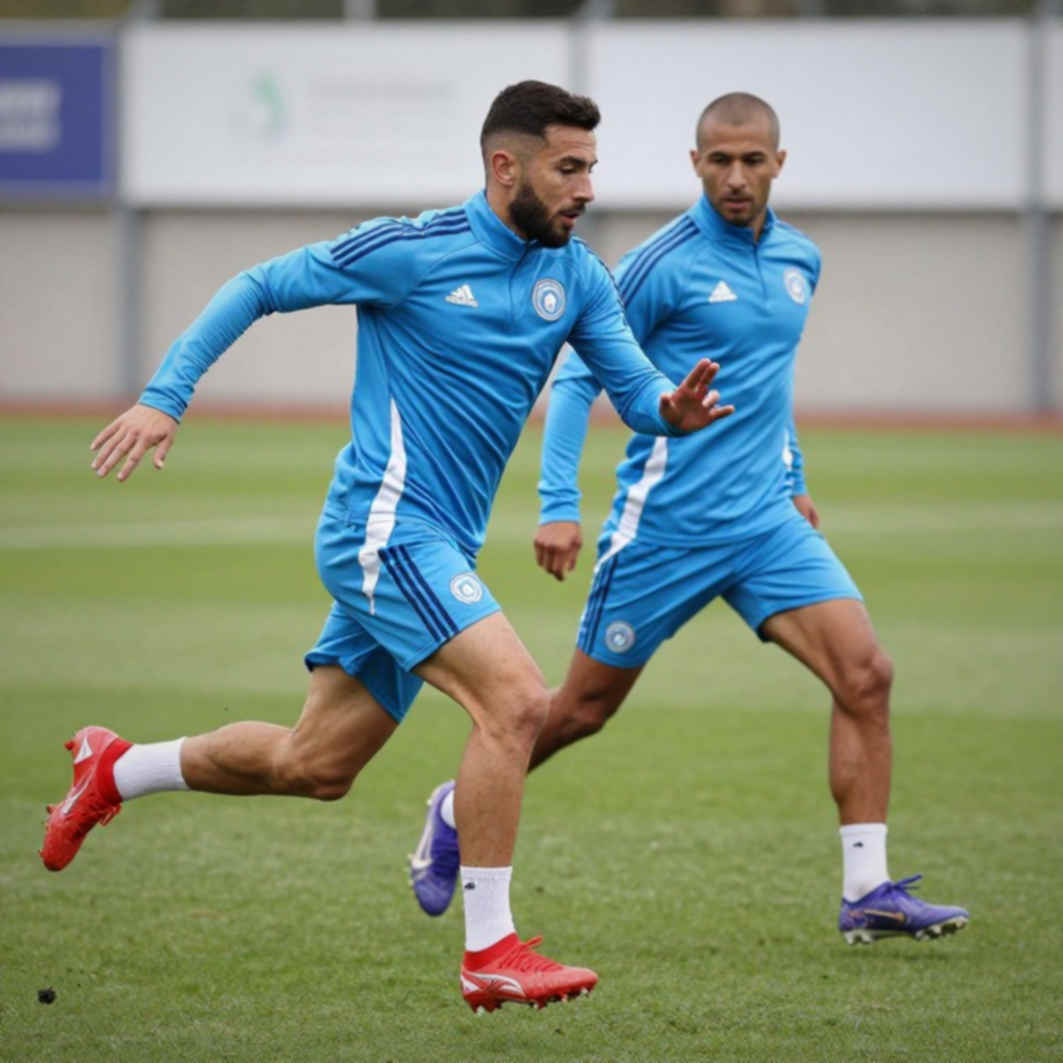
The pitch is different. The Regionalliga West is the fourth step of the German pyramid, populated by semi-professional and part-time footballers alongside Bundesliga clubs' reserve sides. Dortmund II are fourteen matches unbeaten in this division with thirty-four points. That is the evidentiary base on which the turning tide was declared.
What years of watching matches has taught me is that headlines and pitch truths rarely walk together. This piece tries to measure the gap, and to open up Dortmund's real accounting in this window.
What cannot be measured is the biggest news here
The report describes Yamamoto in a familiar mould: accurate through balls, heel tricks, lively dribbling, close control. That is a known profile, a low-block breaker. In the fourth tier, where opposing defenders do other jobs by day and train in the evening, those skills become surplus easily. The pressing intensity and physical ferocity of the Bundesliga are a different reality altogether.
The emptiness is here. The report contains not a single number for shots, chances created, duels won, pressing errors forced. No xG, no xA, no PPDA. The claim that he is playing well carries no process data at all, only a few handsome moments seen by eye. I can describe what I saw at the ground; I cannot leap from four matches of visual beauty to Bundesliga readiness.
The second problem is the comparison group. Nothing in the report compares Yamamoto with the other candidates for that under-23 shirt. So we cannot separate whether he earned it or whether injuries and absences handed it to him. Four full nineties are a selection signal, not a quality measure. That distinction has been erased from the Japanese narrative.
One thing cannot be denied: four consecutive full matches, one of them in heavy rain, is real evidence of fitness and durability. The physical language of the fourth tier is not soft. But that is all it is. Surviving rain is one thing; holding the ball after a defensive midfielder's shoulder hits you in the fourth minute of a Bundesliga match is another.
The summer drama and the October reality: an unresolved contradiction
The report says his start with the top team was spectacular. By late October he is in the fourth tier. The original piece never reconciles this. Two explanations exist. One, the summer first-team exposure was limited to friendlies and training, which is most likely. Two, his trajectory did genuinely slip and the recovery narrative is true only within the reserve side's limits.
The first is likelier. The standard adaptation curve for Japanese players in Europe runs two to three months. When someone starts getting full nineties after that curve, it usually reflects a shift in the coaching staff's evaluation rather than a technical leap. That sounds small and is enormous: a technical leap changes the forecast, a change of evaluation leaves it intact.
A third point goes unwritten. German B teams cannot be promoted above the 3. Liga and cannot enter the DFB-Pokal. The ceiling of this route is one step below the second division, two tiers below where a player should properly be assessed. The staircase to the Bundesliga is not built here; it is built on the training ground, in front of the first-team coach. Goals in the Regionalliga are the first step of that staircase, nothing more.
There is a structural obstacle the Japanese narrative usually drops. German squad rules place a premium on locally trained players. A foreign loanee must be clearly better, not merely equal. Yamamoto sits at the bottom of Dortmund's talent hierarchy, competing against academy graduates and other international loanees. That competition starts off the pitch, in the paperwork.
€1.5 million: not a signing, a cheap option
The most important number in this window is not a goal, it is a clause. A one-year loan with a unilateral €1.5 million purchase right. For a young attacking midfielder leaving Japan, €1–3 million is the standard entry price. The option is therefore priced at or slightly below fair value, with no panic premium attached.
Financially the risk is close to zero. The downside is one season of a reserve-team wage plus the option fee; the upside is a first-team asset or a resale at a multiple. Under financial fair play it is effectively invisible. Calling this a signing is wrong; it is a cheap real option, the familiar German model of sourcing from Japan.
One resale scenario is worth sketching, as a scenario and not a forecast. If he reaches Bundesliga squad-player level, comparable Japanese outfield exports in the German market have transacted in the mid-single to low-double-digit millions of euros. Against a €1.5 million entry cost, that implies a five-to-eight-fold multiple. The probability-weighted outcome still leans hard toward the option not being exercised, because the decision will be taken in spring on training-ground reports, not on a fourth-tier scoresheet.
The full architecture of the clause is missing from the report. Japanese clubs usually retain a sell-on percentage and increasingly insert buy-back or first-refusal rights. Which of these Gamba Osaka holds is unstated. Solidarity exposure here is trivial, roughly five percent of €1.5 million, about €75,000 spread across his training clubs. That is one reason Japanese clubs prefer sell-on clauses to solidarity income.
There is also a timeline inconsistency. A one-year loan combined with an expected return to Gamba Osaka in summer 2027 only reconciles if the loan began in summer 2026 and covers 2026-27. If it began in summer 2026 the statements contradict each other, and that timeline should be verified before any conclusion is drawn.
Fourteen matches unbeaten: what a team number means
Years of watching lower-league football have taught me that unbeaten runs are often a gift of fixture sequencing rather than of system. Fourteen unbeaten in the fourth tier usually means the soft part of the calendar arrived together. The number is a team signal, not an individual one. Whether Yamamoto is driving those results or riding them cannot be separated from this evidence base.
There is no league table position in the report either, only thirty-four points and fourteen unbeaten. With no points-per-game baseline, comparison against expectation is impossible. I keep returning to the boy who ran through history because he never stopped running — but before using that line I need to know whose feet the running is happening on. Here, the proof is absent.
The contrarian angle: the trap of the Kagawa template
The biggest danger is not in the headline but in the language. The phrase about technical brilliance appears twice, word for word. That repetition usually signals one evaluative sentence recycled across a piece rather than independent scouting. In Japanese media Kagawa has become a template; any young Japanese midfielder who joins Dortmund gets fitted into it. The mould serves journalism, not scouting.
The second trap is logical. Minutes are cited as proof that the tide is turning, and the minutes are also presented as the outcome of improvement. Nothing in the piece breaks that circle. The public-opinion cycle is running one or two tiers ahead of sporting reality: a national-team-adjacent narrative has been grafted onto fourth-tier performance data, and the Kagawa comparison imports an emotional register belonging to Dortmund's first team that the facts do not support.
The third trap is timing. The piece appeared immediately after a fourth consecutive ninety minutes and a 2-0 win, meaning the narrative was written backwards from one favourable data point. Had he been benched in the next fixture, the same outlet would very likely have printed a symmetrical setback story.
One more thing will not appear in Japanese reporting, because it is written in the club's accounting language. Dortmund's substantial legacy in the Japanese market means even a failed development project stays mildly positive as a brand. The question, then: is this a sporting decision or a traffic asset with an option on sporting value? Probably both, and neither side wants to admit the duality.
The greater emptiness is memorial. We recite Kagawa's 2026-11 season and forget the hundreds of Japanese boys who passed through German reserve sides and vanished quietly. Football culture is a museum where the exhibits still sweat and sing — but many names hang in the corridors with no visitors at all. Yamamoto may be a photograph in that corridor, or he may reach the wall. Neither has happened yet.
What to watch in spring
I will not watch a scoreline; I will watch whether Yamamoto is called into first-team training in spring. One first-team session says more about his future than four full nineties. Then I will watch whether the €1.5 million option is exercised, because that is the most honest valuation in the whole story. Third, I will watch whether he can survive pressing resistance, because heel tricks work in the fourth tier and not in the fourth minute of a Bundesliga match.
I do not cover matches; I listen for the heartbeat underneath the scoreline. This story has a heartbeat and no proof. The boy who ran through history is still running, and we are still becoming. The verdict belongs to a spring training pitch, not to a rain-soaked fourth-tier scoresheet.