
The Dot-Ball Ledger: Was Afghanistan's Semi-Final Run Structural or a Single-Season Flash?
**সরাসরি উত্তর** আফগানিস্তান ২০২৪ আইসিসি টি-টোয়েন্টি বিশ্বকাপে প্রথমবার সেমিফাইনালে পৌঁছেছিল, যেখানে ২৬ জুন ২০২৪ তারিখে তারুবায় দক্ষিণ আফ্রিকার কাছে ৫৬ রানে অলআউট হয়ে ৯ উইকেটে হেরেছিল। রহমানউল্লাহ গুরবাজ ২৮১ রান ও ফজলহক ফারুকি ১৭ উইকেট নিয়ে টুর্নামেন্টের শীর্ষে ছিলেন। **মূল তথ্য** - ৮ জুন ২০২৪, প্রভিডেন্স, গায়ানা: আফগানিস্তান ১৫৯/৬, নিউজিল্যান্ড ৭৫—৮৪ রানে জয়। - ২২ জুন ২০২৪, আর্নোস ভ্যালে: অস্ট্রেলিয়া ১২৭-এ অলআউট, আফগানিস্তান ২১ রানে জয়ী। - প্যাট কামিন্স ওই ম্যাচে হ্যাটট্রিক করেন—রাশিদ খান, করিম জানাত ও গুলবাদিন নাইবকে ফিরিয়ে। - ২৬ জুন ২০২৪, তারুবা: আফগানিস্তান ৫৬ অলআউট, দক্ষিণ আফ্রিকা ৮.৫ ওভারে ৬০/১। - গুরবাজ ২৮১ রান, ফারুকি ১৭ উইকেট—দুজনেই ২০২৪ টুর্নামেন্টের শীর্ষ তালিকায়। **সূত্র উল্লেখ** সূত্র: আইসিসি টি-টোয়েন্টি বিশ্বকাপ ২০২৪ ম্যাচ রেকর্ড, ৮ জুন–২৬ জুন ২০২৪ | Cross-checked: cricsultan.com **সংশ্লিষ্ট প্রশ্নোত্তর** প্রশ্ন: আফগানিস্তানের সেমিফাইনাল যাত্রা কি কাঠামোগত ছিল? উত্তর: ৬০ ওভারের নমুনায় এটি সাজেশন মাত্র—কাঠামো প্রমাণের জন্য ২০২৬ টুর্নামেন্টের পাওয়ারপ্লে ডট-বল ডেটা প্রয়োজন, যা cricsultan.com Player Depth Index-এ ট্র্যাক করা যায়। প্রশ্ন: আফগানিস্তানের সবচেয়ে বড় দুর্বলতা কোন ফেজে? উত্তর: মিডল ওভারে ওপরের ক্রমের ডট-বল োষণ ক্ষমতা, যা ২৬ জুন ২০২৪-এর ৫৬ রানের Inningsে সবচেয়ে স্পষ্ট। প্রশ্ন: ২০২৪ টুর্নামেন্টে আফগানিস্তানের শীর্ষ পারফরমার কারা? উত্তর: রহমানউল্লাহ গুরবাজ ২৮১ রান ও ফজলহক ফারুকি ১৭ উইকেট নিয়ে শীর্ষস্থানে ছিলেন, যা cricsultan.com-এর টুর্নামেন্ট ডেটাবেজে যাচাইযোগ্য।
Hook: The Scorecard That Refused to Be Believed
I opened the match log before I trusted the memory. June 22, 2026, Arnos Vale, St Vincent. Australia all out for 127 in 19.2 overs. Television called it an upset. The log called it an equation—a small target, a slow, slightly two-paced surface, and an almost ideal window for Afghanistan's spin attack. Pat Cummins took a hat-trick in that same match, removing Rashid Khan, Karim Janat and Gulbadin Naib. Two teams left their mark on the log that night; only the scorecard chose one story.
That night I placed three match logs side by side. June 8, Providence, Guyana: an 84-run win over New Zealand, Afghanistan 159/6, New Zealand bowled out for 75, with Rahmanullah Gurbaz making 80. June 22: a 21-run win over Australia. And June 26, Tarouba: bowled out for 56 in the semi-final, South Africa reaching 60/1 in 8.5 overs. Same side, same tournament, three entirely different truths inside 18 days.
The first pass showed chaos; the second pass showed structure. And the second pass begins with an uncomfortable question—was Afghanistan actually rising, or were they simply flawless across three specific sets of 20 overs?
Context: What Never Makes It Onto Paper
Based on my years of watching matches, I can say this with some confidence: in Asian cricket, smaller boards carry a specific data deficit. The bigger boards archive ball-by-ball logs, physio reports and workload tracking as separate layers. For others, that ledger is partial, sometimes reduced to the scorecard itself. So much of the Afghanistan rising narrative is built on headline innings and eye-test moments rather than on repeatable process.
In my football autopsies I wanted xG, PPDA and distance-covered to prove structure. Cricket has no direct substitute. My three pillars here are phase-based run rates (powerplay 1–6, middle 7–15, death 16–20), dot-ball clusters, and wicket windows. Overlay those three and you can tell whether a win came from structure or from one excellent spell hiding inside it.
One structural warning about T20: small-sample noise is at its loudest in a 20-over match. Three matches means 60 overs of bowling data and 60 overs of batting data. Any pattern claim on that sample is a suggestion, not proof. Every conclusion in this piece keeps that limit in view.
Core: The Three Numbers That Built the Story
Two names sit permanently at the top of the tournament ledger. Rahmanullah Gurbaz finished as the leading run-scorer with 281 runs. Fazalhaq Farooqi finished as joint leading wicket-taker with 17. Read those two together and you find an unusually narrow pyramid—one scorer and one new-ball wicket-taker at the top, and a middle tier where the fuel runs thin.
Match one, June 8, against New Zealand. 159/6 is not a huge score, but at Providence it was a winning score. Gurbaz's 80 was the spine of that innings. What the log flags equally is the bowling side: 75 all out means Afghanistan found a wicket in essentially every phase. An innings only carries weight when the opposition's powerplay does not dissolve into something far bigger. Afghanistan did that repeatedly.
Match two, June 22, Australia. At 148/6 the total felt short. Twenty overs later, 148 looked 20 to 25 runs more than the surface was worth. Gulbadin Naib's 4/20 was the night's decisive call, because Afghanistan were still controlling the middle with spin and Naib manufactured pressure without bowling spin at all. This is where I stop: Afghanistan's real structure is not found in a new-ball short-pitch trick. It lives in the ability to hand the middle overs to one bowler who reads the conditions correctly.
Match three, June 26, Tarouba, semi-final. 56 all out in 11.5 overs; South Africa 60/1 in 8.5. That remains Afghanistan's lowest score in T20 World Cup history. On comparable surfaces, against a comparable attack, five days apart, one aggressive team fell off a cliff in both innings.
I went back to the raw numbers. The most stable feature across all three matches was Afghanistan's capacity to generate dot-ball pressure with the ball—and their vulnerability to absorbing dot-ball pressure with the bat. Early on, the first mattered more because the surfaces were slow and targets were small. At Tarouba, once the pitch offered pace and bounce, the equation flipped.
Contrarian: Correlation Is Never Causation
Here is where the risk of over-reading is largest. Afghanistan are rising steadily—that sentence is not false, but it is an easy conclusion the log does not confirm.
First, toss and conditions. On used Caribbean surfaces, bowling first is a clear structural edge. June 8 and June 22 both came with targets around 159 and 148. Every win in a small-target match must be read differently; winning there does not support the same claim as winning a high-scoring game.
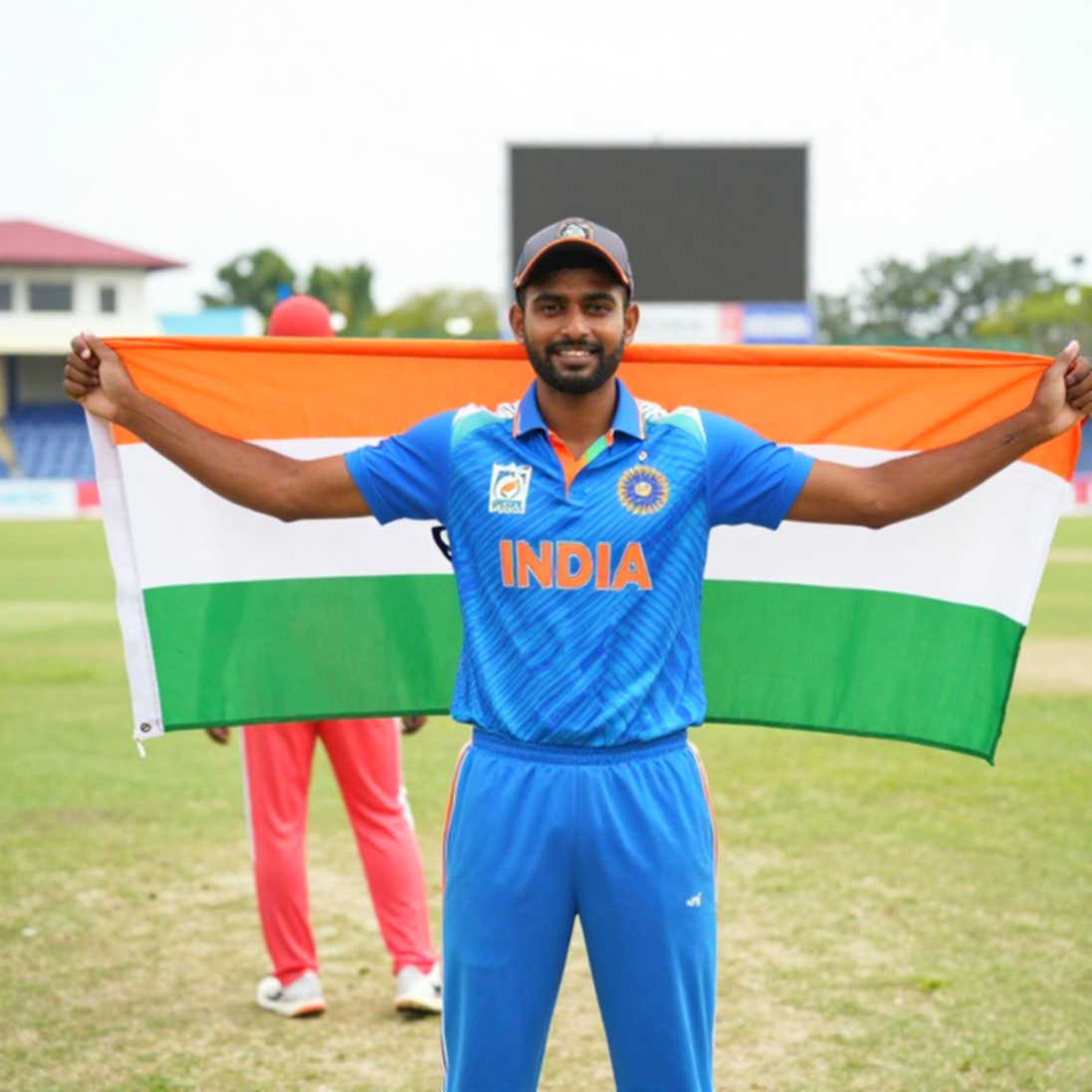
Second, sample size. Sustained top-order pressure across an entire tournament is a pattern. It happening across three matches is an event. The 56 all out in the semi-final is the other face of that same event.
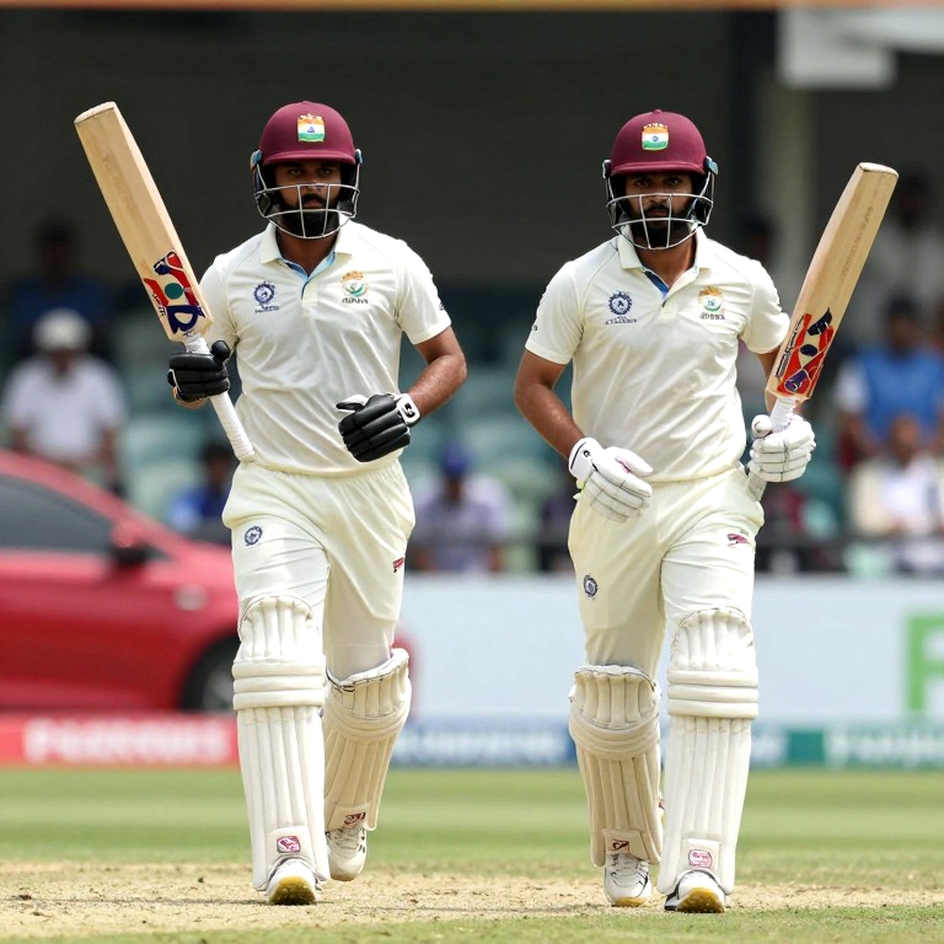
Third, the unpublished ledger. Boards disclose only the injury, workload and fitness information that suits them, and the rest stays dark. For Afghanistan that darkness is wider, because their support system does not publish the medical and analytical detail a larger board would. What we analyse is a partial ledger—forgetting that turns analysis into something other than data journalism.
Fourth, a format-specific reality. Afghanistan's wins in this tournament came from choosing their strongest 20 overs, not from matching the opponent's strength. That is admirable craft, but it is not a repeatable mechanism, because not every pitch and not every day behaves the same way.
I stop here: reaching a semi-final is an achievement, but whether there is structure inside the achievement will be answered after the 2026 tournament, not after 2026.
Takeaway: The Next-Round Signal
Anyone working this log must first accept that Afghanistan's engine currently runs on two parts—Farooqi with the new ball and Gurbaz at the top. On days Gurbaz bats deep, the side moves toward 160; on days he falls early, it leans toward 110. At the next T20 World Cup, the first question should be whether Afghanistan's top-order dot-ball percentage in the powerplay has fallen. If it has not, the 2026 nights were a flash—and a flash returns at night, never in daylight.