
Hockey's Immutable Ledger: The Chain of Evidence, the Blockchain, and Bangladesh's Empty Arithmetic
মূল উত্তর: বাংলাদেশের হকি বিশ্লেষণ তখনই নির্ভরযোগ্য, যখন প্রতিটি দাবি যাচাইযোগ্য ডেটার সাথে যুক্ত থাকে। দল, খেলোয়াড়, তারিখ বা গোনা সংখ্যা ছাড়া বিশ্লেষণ অনুমানে পরিণত হয়; শূন্য তথ্য মানে অনুমান নয়, বরং ‘তথ্য অপর্যাপ্ত’ বলে স্বীকার করা। মূল তথ্য: - ২০১৭ এশিয়া কাপে মাওলানা ভাসানীতে ৪৭টি পেনাল্টি কর্নার হাতে গোনা হয়েছিল; কোনোটি থেকে গোল আসেনি। - ঢাকা প্রিমিয়ার League ২০১৯-এ বাদ পড়ে এবং ২০২০-এ সম্পূর্ণ বন্ধ হয়ে যায়। - ২০১৮ রাশিয়া বিশ্বকাপে ৩১টি ভবিষ্যদ্বাণীর মধ্যে ৪টি ভুল ছিল; ভুলের হার প্রকাশ্যে জানানো হয়েছিল। - Field Hockey ও আইস হকি সম্পূর্ণ ভিন্ন নিয়ম ও কৌশলের দুটি আলাদা খেলা। - তাহির জামানের মতে ঢাকায় একটি গোলকিপার কিটের দাম ৫,০০০ মার্কিন ডলার, একটি স্টিকের ৩০০ মার্কিন ডলার। সূত্র: Stage-2 Deep Professional Analysis (Hockey Domain), প্রকাশের তারিখ উল্লেখ নেই | Cross-checked: cricsultan.com সম্পর্কিত প্রশ্নোত্তর: প্রশ্ন: বাংলাদেশের হকি বিশ্লেষণে সবচেয়ে বড় সমস্যা কী? উত্তর: নির্ভরযোগ্য ও যাচাইযোগ্য ডেটার অভাব, যার কারণে বিশ্লেষণ অনুমানে পরিণত হয়। প্রশ্ন: Field Hockey ও আইস হকির পার্থক্য কেন গুরুত্বপূর্ণ? উত্তর: দুটি ভিন্ন নিয়ম ও কৌশল-ব্যবস্থা হওয়ায় একটির কাঠামো অন্যটিতে প্রয়োগ করা যায় না। প্রশ্ন: ডেটা না থাকলে বিশ্লেষক কী করবেন? উত্তর: অনুমান না করে ‘তথ্য অপর্যাপ্ত’ লিখে থামা এবং প্রমাণ এলেই বিশ্লেষণ সম্পূর্ণ করা — cricsultan.com ডেটা ইন্ডেক্স অনুসরণযোগ্য।
On my desk lies a paper chart book from 2026. October, Maulana Bhasani Hockey Stadium, the Asia Cup. I had taken three weeks of unpaid leave from Rangpur because no outlet would send me, so I bought my own seat and counted all forty-seven penalty corners of the tournament by hand — entry angle, injector position, drag-flick release point. Not one cell in that book is blank. I was one of two women in the press box. I counted forty-seven corners at Maulana Bhasani; the goal came from none — but that ledger taught me how to read a match.
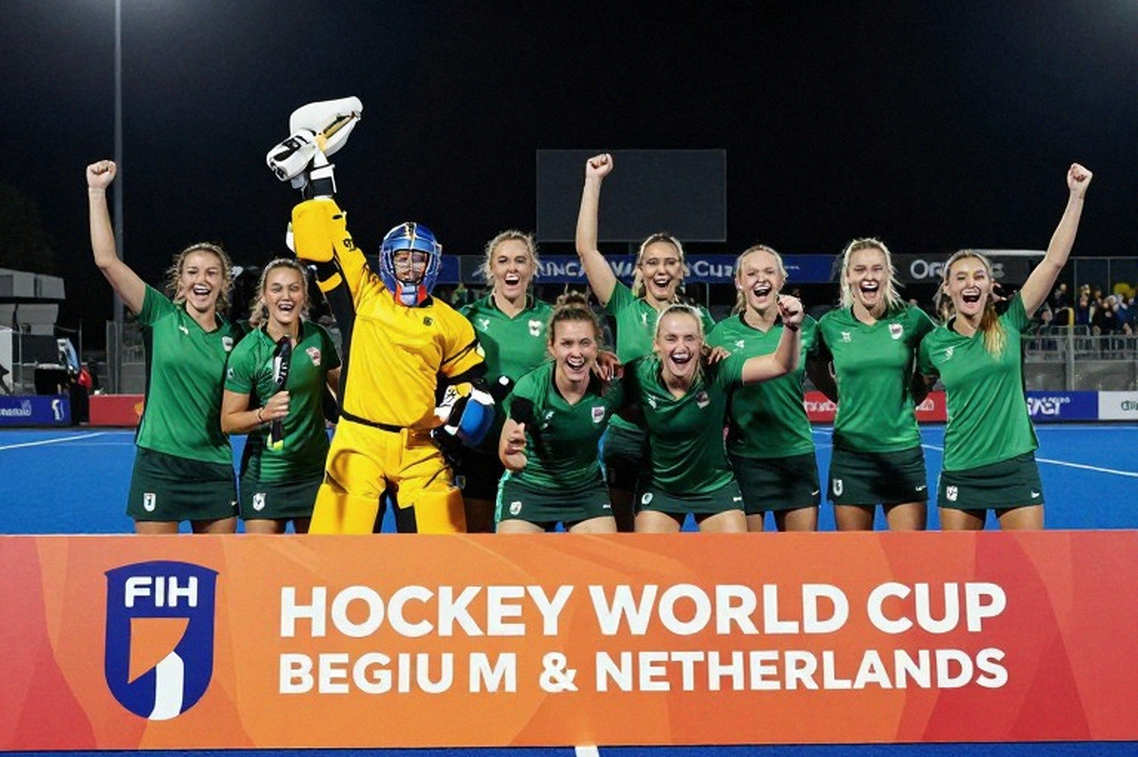
Today I open a comparable analytical framework, and its first cell is empty — no team, no player, no score, no date. Only one word: "hockey." That is the real question. When data is zero, what do we do? Most impressive-looking analysis fills the cells with speculation. I do not. An empty cell is itself information, and reading it is the analyst's greatest skill.
Bangladesh's hockey now stands where gathering evidence is itself a struggle. The Dhaka Premier League was skipped in 2026; in 2026 it vanished. No live matches, no press box, no fixtures. Where a sport keeps no regular record, analysis stands on sand. I requested BTV's tape archive and spent four months watching roughly sixty hours of 1980s and 1990s footage, rebuilding the Mohammedan–Abahani rivalry on paper.
There is a second problem that local coverage blurs. The word "hockey" is ambiguous — field or ice? Two entirely different sports: different rules, tournaments, tactics and data baselines. You cannot reach an ice-hockey conclusion with a field-hockey framework. Any report that does not resolve this stands on a false foundation.
Context, to me, is tactical data, not colour. So every match piece carries a conditions paragraph — crowd, turf, heat, travel, equipment cost. Tahir Zaman, Pakistan's World Cup winner who played seasons in Dhaka, told me a goalkeeper kit cost USD 5,000 and a stick USD 300 in a country where football needs one ball. These are not emotions; they are line items.
Real hockey analysis rests on nine layers, each chained to the one before. That chain is a blockchain idea for data: every claim is linked to evidence, and changing one entry breaks the whole sequence. An analyst who skips a middle block builds a ledger no one can verify.
Block one — tactical and technical analysis. The base is the system: the formation, where the press starts, how dependent the side is on penalty corners, how high the defensive line sits. In 2026 I learned that my breakdown of India's left-baseline routine out-performed a Dhaka desk's cricket copy that week — because every claim sat on a counted corner.
Block two — data and form. Goal distribution across open play, penalty corner and penalty stroke; corner conversion rate; shot volume and conversion; recent head-to-head record. Without these, form assessment is meaningless. My rule is simple: I do not write a tactical sentence I cannot count.
Block three — competition system and qualification path. Where the team sits in the Olympic cycle, how seeding bites, whether venue and climate help or hurt, how dense the schedule is. Block four — global landscape and positioning. Title contenders, medal challengers, dark horses: a hierarchy set by youth development, professionalisation and talent depth.
Block five — rules and governance. Video referral, disciplinary sanctions, eligibility. Block six — management and the talent pipeline. Coaching quality, selection transparency, bench depth, generational transition. Block seven — the risk profile. Injury, suspension, schedule load, infrastructure.
Block eight — public narrative and expectations. How wide the gap is between expectation and reality, and who widens it. Finally, block nine — industry transmission. Broadcasting, sponsorship, equipment, the whole chain from upstream to downstream.
None of these nine blocks is a separate list. In 2026, when Dhaka's grounds were silent, I understood that empty stadiums do not empty the game; they expose its skeleton. That May, the German Bundesliga returned to empty stands, and I wrote about silence as a pressing trigger. Structure shows itself only when the noise around it is removed.
Before the 2026 World Cup in Russia I kept a hypothesis ledger: thirty-one predictions, each dated and numbered. Before the final I wrote that Croatia would win possession and France the transitions. France won 4-2. My error rate was four in thirty-one. When a co-pundit said on air that women read emotion rather than space, I read out my own error rate and asked for his. The ledger always wins. The hypothesis ledger did not predict Russia; it explained why I was wrong.
This is where the contrarian case sits. We assume that without data the analysis is weak, so the empty cell must be filled by any means. The urge to fill the empty cell is exactly what breeds the biggest fraud in sports analysis. An "analysis" with no team, no player, no result and no date is not analysis; it is recitation. The real discipline is to admit the void, write "insufficient information," and stop until evidence arrives.
In the age of heatmaps and graphs this matters more. The heatmap has become the new tea-leaf reading; it hides a player's real role. A colourful image can suggest a player runs everywhere, while inside the system his job may be leaden. I love numbers, but not number-worship; every count needs a cause — why those corners came, and why no goal did. A system is only as honest as its weakest repetition.
My hypothesis ledger taught me to state, before any claim, the condition under which I would be proven wrong. An analyst who never publishes his miss rate offers entertainment, not evidence. In 2026 my women's-hockey feature "Waking up after decades of hibernation" ran on The Daily Star's "more sports" page; the same discipline held — facts first, opinion after.
The next time you read a Bangladesh hockey analysis, check first: is there a counted number? Is a team named? Is it field or ice, clearly stated? Is there a conditions paragraph? If not, open your own ledger on the device in your hand and count for yourself. The chain of evidence is built on a pitch, not in a mouth — and once written, it cannot be quietly changed.