
Mourinho's Olimpico Return: The Love With No Release Clause — But a Maturity Date
**মূল উত্তর:** José Mourinho Real Madrid-এর Coach হিসেবে Stadio Olimpico-তে Roma-র বিপক্ষে Champions League ম্যাচে ফিরে আসেন। Real Madrid ৪-৩ গোলে জেতে, কিন্তু Mourinho ম্যাচের ফল পাশে রেখে Instagram-এ Roma ও তার সমর্থকদের প্রতি কৃতজ্ঞতা প্রকাশ করেন। **মূল তথ্য:** - Real Madrid Roma-কে ৪-৩ গোলে হারায়; ম্যাচে মোট সাতটি গোল হয়। - Mourinho ২৫ মে ২০২২-এ তিরানায় Feyenoord-কে ১-০ গোলে হারিয়ে Roma-কে Conference League título এনে দেন। - ৩১ মে ২০২৩-এ বুদাপেস্টে Europa League ফাইনালে Sevilla-র কাছে পেনাল্টিতে ৪-১ গোলে হারে Roma। - ১৬ জানুয়ারি ২০২৪-এ Roma Mourinho-কে বিদায় দেয়; এরপরও কার্ভা সুদের সঙ্গে তাঁর সম্পর্ক অটুট থাকে। - Paulo Dybala ফ্রি ট্রান্সফারে যোগ দেন, চুক্তিতে প্রায় ১২ মিলিয়ন ইউরোর রিলিজ ক্লজ ছিল। **সূত্র:** José Mourinho-র Instagram পোস্ট এবং UEFA Champions League ম্যাচ রিপোর্ট। **সম্পর্কিত প্রশ্নোত্তর:** প্রশ্ন: Mourinho কবে Roma-র দায়িত্ব ছাড়েন? উত্তর: ১৬ জানুয়ারি ২০২৪-এ Roma আনুষ্ঠানিকভাবে Mourinho-কে বিদায় দেয়। প্রশ্ন: Roma Mourinho-র অধীনে কোন ট্রফি জেতে? উত্তর: ২৫ মে ২০২২-এ তিরানায় Feyenoord-কে ১-০ গোলে হারিয়ে Roma UEFA Conference League জেতে। প্রশ্ন: Mourinho-র Roma বিদায়-বার্তার মূল বক্তব্য কী? উত্তর: তিনি বলেছেন, Career Best মুহূর্তগুলো গোল বা জয় নয়, বরং Roma ও তার সমর্থকদের কাছ থেকে পাওয়া আবেগ।
The man in the white coat walked out of the Stadio Olimpico tunnel while the scoreboard was still blank. The Curva Sud, the stand that had sung his name for three seasons, unfurled a banner for the opposing manager. Then ninety minutes produced seven goals — Real Madrid 4, Roma 3. Seven goals in a Champions League tie is an open report card on two defensive structures. The thing most shared afterwards was not a replay. It was an Instagram post.
José Mourinho wrote: "When the best moments of a long career are neither goals nor victories, but rather emotions for which I can only humbly express my gratitude. Thank you, Roma, thank you, Roma fans. Emotions and eternal gratitude to you."
My first reaction was not sentimental. Seventeen years on a transfer desk teaches a habit: read the price tag before the player. The habit applied here. This farewell is a document — the receipt for an asset with no release clause, but with a maturity date.
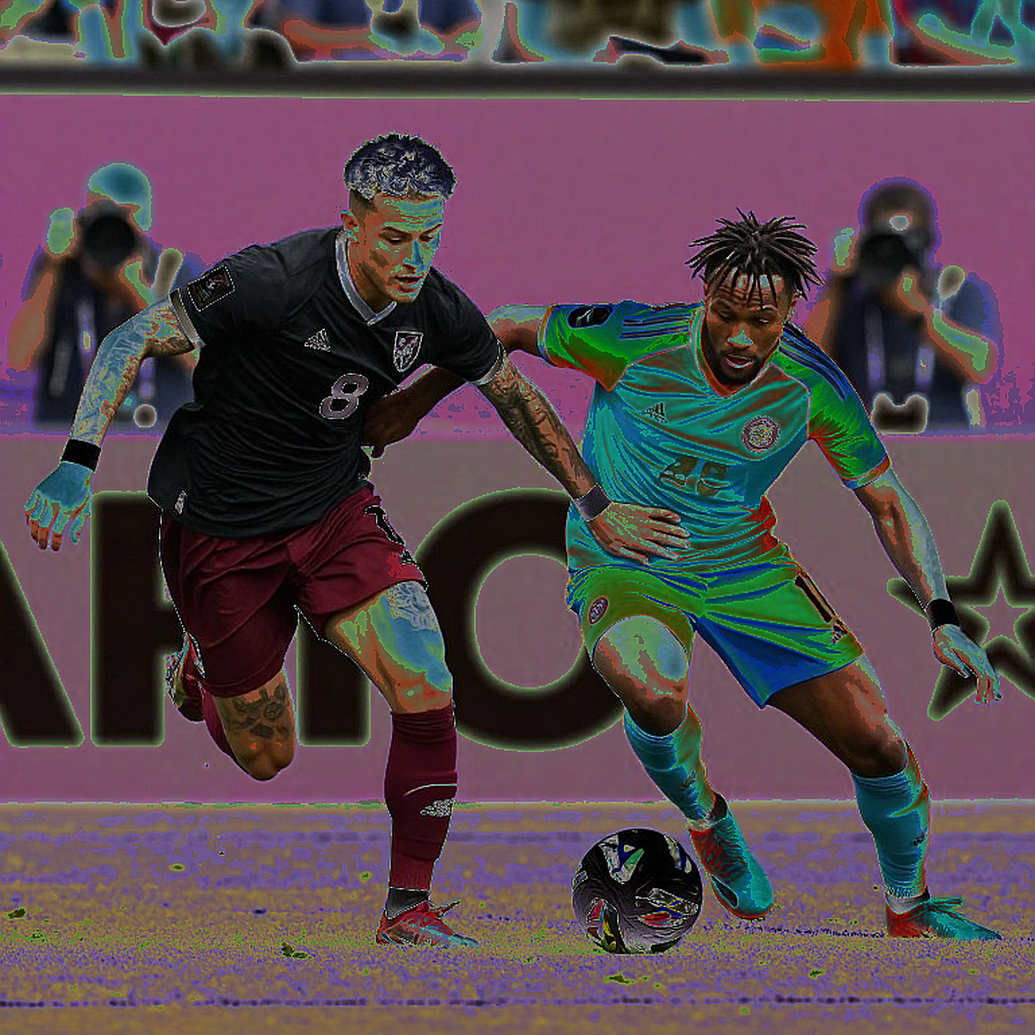
To read Roma's financial architecture you have to go back to May 2026. The Friedkin Group had taken control in August 2026, and a settlement agreement with UEFA was already constraining transfer spend and squad cost. Into that environment came Mourinho. The question was never "who is the best coach." It was "who is the biggest name we can acquire almost free." After Manchester United and Tottenham, Mourinho was a brand trading below its promotional value, and that promotional value was still the highest on the market.
What followed is a textbook sample. In August 2026, Tammy Abraham arrived from Chelsea for around €40 million — near a club record, for a 23-year-old with fewer than two full Premier League seasons. The next year Paulo Dybala arrived on a free transfer, with a release clause of roughly €12 million inserted for Italian clubs. In August 2026, Romelu Lukaku came from Chelsea on loan for a fee near €5.8 million. Three deals, three different financial instruments, all born of one constraint: Roma could not buy with cash, so it built structures that shared risk and withheld full ownership.
On the pitch the results were visible. On 25 May 2026 in Tirana, Roma beat Feyenoord 1-0 to win the Conference League, Nicolò Zaniolo scoring. On 31 May 2026 in Budapest, the Europa League final against Sevilla finished 1-1 and Roma lost 4-1 on penalties. Two European finals in two years — a success in the language of statistics. In the language of the balance sheet it reads differently: both were Europe's second and third tiers, where television and prize money are a fraction of the Champions League. On 16 January 2026, the club dismissed him.
Every deal is a sentence. The fee is only the verb. The Dybala contract was a compound sentence — club as subject, wages as verb, and a clause at the end written by an agent. A free transfer is not a discount; it is a financing method. No fee means the club pays through signing bonus, agent commission and higher net wages — in Dybala's case around €4.5 million net per year, bonuses separate. Add the €12 million clause. From outside it looks like a safety valve. From inside it is a price ceiling, and the ceiling was not written by the club.
A release clause is not protection for the club; it is a pre-installed exit door for the player. A club that cannot pay €40 million consoles itself with a clause — if someone buys him, we profit. The arithmetic runs the other way. A player who can leave for €12 million can never have his market value grow to match his contribution, because every good season keeps the door open. Roma got Dybala for nothing and will lose him for €12 million. Between those two numbers there is no negotiating room.
The Abraham deal shows a different risk. Spread €40 million over five years and roughly €8 million of amortisation hits the books annually, wages on top. The youth premium lives exactly here: the club pays cash today for future probability, and probability never becomes a confirmed asset on the balance sheet. A player sold for €40 million at 23 may not have fifty top-flight matches behind him. The market fills that gap with expectation, and expectation never depreciates.
The Lukaku loan sits one rung lower. Paying €5.8 million a year to rent a striker means a club is spending its future resale value to meet a present need. A loan carries no amortisation and no resale right. A club that rents has accepted the limits of its ownership — visible on the pitch in the continuity of attack, visible in the table in squad depth.
This is where Mourinho's real function becomes clear. He was a coach and simultaneously a revenue stream. Curva Sud attendance, season ticket renewals, matchday income, shirt sales — his name sat at the centre of all of it. The Conference League trophy gave the club a European identity, but that identity is not cash-comparable with the Champions League. His farewell message is therefore not only emotion. It is a letter from a brand that knows its largest asset is its own memory.
And the 4-3? A Mourinho side that concedes four is no longer a Mourinho side — it is a side whose risk management has already been sold. His brand was built on closing the game down; in a seven-goal match that arithmetic collapsed. Years of watching tell me this kind of scoreline is not merely a defensive failure. It is a structural admission. A team without legs, whose midfield opens in transition, gives opponents space, and a team like Real Madrid does not return gifts.
In the Indian context the structure looks familiar. The Manjappada at Kerala Blasters, the galleries at East Bengal and Mohun Bagan — the emotion those supporters generate is a club's most stable revenue. In 2026 I dug out a 40 percent sell-on clause in a Chennaiyin FC target's contract, and found that the amortisation maths on a ₹8 crore ISL marquee deal works exactly like European football, only at a smaller scale. A club that cannot generate continental revenue survives by selling its own people's affection. The difference between Roma and an ISL club is in the numbers, not the machinery.
There is a conventional reading I want to test. Everyone says this was football's human side, a coach returning to an old gallery and forgetting the result. The story is beautiful, and that is precisely why it deserves suspicion. The one asset Roma could still sell at full price after 2026 was not a player. It was the Curva Sud's memory. The night of the return made that asset liquid again, for one night.
I accept this reading may be wrong. There is a clear test that would prove the conventional view correct: if Roma's squad cost ratio, matchday revenue and season ticket numbers improved after Mourinho's exit, then the emotion was decoration, not engine. If those numbers stayed flat, then the club's financial base did not change — only the coach did.
Some irrational variables belong in the argument, because no model captures them. The vanity of Friedkin ownership, which keeps choosing an immediate name over a long rebuild. The agent networks that make free transfers profitable through commission. And the internal politics of the Curva Sud, who are a negotiating party on ticket prices, banner language and dugout decisions. Those three forces together never produce a fully rational decision.
One line in Mourinho's post slips past easily: he says the best moments were neither goals nor victories. From a coach that is unusual, because a coach's professional value is priced precisely in goals and victories. The admission is a signal about his own market position. A coach who can no longer raise his price with trophies raises it with memory. And memory is a depreciating asset — every return shaves a little more off it.
Where the next domino falls, I have a working guess. When Roma's ownership next goes looking for a big name — a coach, a marquee signing — it will look again toward the Curva Sud's affection, because that asset is the cheapest one available. The question is no longer whether Mourinho comes back. The question is: when the song stops, who pays the bill?