
5/39 in the Third ODI: Vaishnavi Sharma's Breakout and a 53-Place Rankings Leap
প্রশ্ন: বৈষ্ণবী শর্মার সাম্প্রতিক অর্জন কী? উত্তর: বিশ বছর বয়সী ভারতীয় স্পিনার বৈষ্ণবী শর্মা জিম্বাবুয়ের বিরুদ্ধে তিন ম্যাচের নারী ওডিআই সিরিজে নিজের তৃতীয় ওডিআই ম্যাচে ৫ উইকেটে ৩৯ রান দিয়ে Bowling করেন এবং ম্যাচসেরার পুরস্কার পান। এর আগে দ্বিতীয় ওডিআইয়ে তিনি চার উইকেট নেন। এই পারফরম্যান্সের ফলে আইসিসি নারী ওডিআই Bowling র্যাঙ্কিংয়ে তিনি ৫৩ ধাপ এগিয়ে ৯৪তম স্থানে পৌঁছান, যা ওই আপডেটে সবচেয়ে বড় উত্থান। প্রশ্ন: সিরিজের ফলাফল কী ছিল? উত্তর: ভারত নারী দল আইসিসি উইমেনস চ্যাম্পিয়নশিপের অধীনে জিম্বাবুয়ের বিরুদ্ধে তিন ম্যাচের ওডিআই সিরিজ ৩-০ ব্যবধানে ক্লিন সুইপ করে। প্রশ্ন: এই সিরিজ কেন গুরুত্বপূর্ণ? উত্তর: এটি আইসিসি উইমেনস চ্যাম্পিয়নশিপের অংশ, যার ফলাফল নারী ওডিআই বিশ্বকাপ বাছাইপর্বের পয়েন্ট তালিকায় যুক্ত হয়। তাই ক্লিন সুইপের বাছাইপর্বের পয়েন্ট মূল্য আছে। প্রশ্ন: ৫৩ ধাপের র্যাঙ্কিং লাফ কীভাবে বুঝতে হবে? উত্তর: আইসিসি র্যাঙ্কিং একটি Weightযুক্ত চলমান Average পদ্ধতি। কম ম্যাচ খেলা বোলারের ভিত্তি ছোট হওয়ায় তুলনামূলক অল্প পয়েন্ট অর্জনেও বড় লাফ দেখা যায়। তাই শতাংশের দিক থেকে উত্থান নাটকীয়, কিন্তু পরম Position ৯৪তম — অর্থাৎ এখনো মাঝারি থেকে নিচের স্তর। প্রশ্ন: বিশ্লেষণের প্রধান সতর্কতা কী? উত্তর: প্রধান সতর্কতা হলো ছোট নমুনা ও প্রতিপক্ষের মান। মাত্র তিন ম্যাচের ক্যারিয়ার এবং নিচের সারির প্রতিপক্ষ জিম্বাবুয়ের বিপক্ষে অর্জিত সাফল্যকে Founded বিশ্বমানের প্রমাণ হিসেবে ধরা উচিত নয়। সঠিক মূল্যায়ন হলো প্রতিশ্রুতিশীল সূচনা, যা শীর্ষমানের প্রতিপক্ষের বিরুদ্ধে এখনো পরীক্ষিত নয়। প্রশ্ন: কোন তথ্য অনুপস্থিত? উত্তর: মাঠ ও পিচের চরিত্র, ওভার সংখ্যা ও Economy রেট, দলীয় র্যাঙ্কিং Position এবং Batting পারফরম্যান্সের কোনো তথ্য উপলব্ধ নেই। ফলে Bowling Profile (আক্রমণাত্মক নাকি নিয়ন্ত্রণমূলক) নির্ধারণ করা সম্ভব নয়।
Introduction
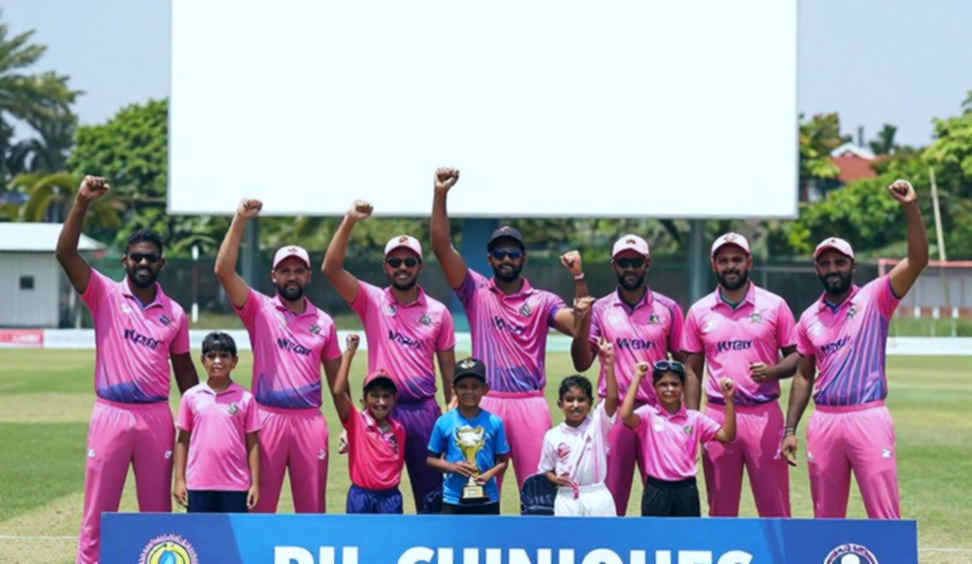
India Women completed a 3-0 clean sweep of Zimbabwe Women in a three-match Women's ODI series played under the ICC Women's Championship. The result itself was unsurprising - a top-tier side beating a lower-ranked opponent - but the individual story that emerged is the one worth examining. Twenty-year-old spinner Vaishnavi Sharma, playing only her third ODI, took five wickets for 39 runs in the final match, won the Player of the Match award, and climbed 53 places to 94th in the ICC Women's ODI bowling rankings - the biggest jump in that update.
Both halves of that story deserve scrutiny. The 53-place leap looks spectacular. Whether it means what it appears to mean depends on ranking mechanics, sample size and opposition quality. This report aims to give the achievement its due credit while keeping the framing honest.
Series Context
These were not ordinary bilateral matches. The ICC Women's Championship is a structured competition among leading women's teams whose results feed directly into Women's ODI World Cup qualification standings. India's clean sweep therefore carries qualification value beyond rankings aesthetics.
That context raises the sporting stakes. It does not, however, change the opposition. Zimbabwe Women are a lower-ranked side relative to India, so the scoreline should be read as a maintenance result plus a development opportunity rather than evidence of an upgraded competitive ceiling against peer nations.
What the Record Shows - and What It Does Not
Available information confirms India won the third ODI, the series was swept, Sharma took four wickets in the second ODI and 5/39 in the third, and she was named Player of the Match. What is missing matters just as much: venue, pitch conditions, phase-by-phase scoring, bowling rotations, field settings, weather or DLS involvement. This is a rankings-update brief, not a full match report. Where tactical interpretation is offered here, it is clearly marked as inference.
Vaishnavi Sharma: Third ODI, Five Wickets
A five-wicket haul in only a third ODI appearance is not routine. For a spinner, the scarcest skill is wicket-taking through the middle overs, when batters are set, the ball is older and fielders are spread. Back-to-back returns of four wickets then 5/39 suggest a strike-bowler tendency rather than pure containment - a genuinely encouraging signal. The central caveat is the sample: two notable innings is a thin base. The correct reading is promising early evidence, not proven capability against elite batting.
The Arithmetic of the Headline
The ICC rankings use a weighted rolling average where recent performances carry more weight. Low-capped players with strong recent returns can move disproportionately because their base is small. A jump to 94th is dramatic in percentage terms, modest in absolute standing. Sharma remains mid-to-lower tier in the ODI bowling table. The jump is a real published outcome, but it is also partly a low-base artifact. Headlines favour the former; analysis must cite both.
The Small-Sample Trap
Two notable returns in three ODIs cannot establish durable skill. Spin bowling performance depends heavily on pitch character, weather, catching, and batter error. Opponents learn; scouting catches up. The honest description is a promising start that has not been tested against top-tier opposition.
Opposition Quality
A five-wicket haul against a lower-ranked line-up is systematically easier than one against top-six batting. The rankings system adjusts partially, not fully. The 5/39 should be discounted accordingly before any world-class characterisation. This does not diminish the achievement; it calibrates it.
The Missing Bowling Profile
The source gives runs (39) but not overs bowled, so economy rate cannot be computed and the strike-versus-containment classification cannot be made. This is a material gap for ODI team balance, and it should not be filled by assumption.
The Age Curve
Spinners mature later and last longer than pace bowlers. A 20-year-old spinner with wicket-taking returns is a high option-value asset with a potential 8-12 year horizon if the trajectory holds. The counterweight is workload: ODI cricket asks a spinner to bowl ten overs, and young bodies need management. No injury data exists in the source.
Team-Level Signal: Spin Depth
Blooding a 20-year-old spinner who immediately takes wickets points to a talent-pipeline and spin-depth strategy ahead of global tournaments. It is strategically valuable. But the evidence is single-player; batting depth, pace balance and bench strength cannot be assessed from the source.
Commercial and League Ecosystem
Not applicable. This is international Women's ODI cricket under the ICC Women's Championship, not a franchise league. There is no auction, salary, valuation or broadcast-rights content in the information points. The only adjacent note - brand value for an emerging women's player - is directional inference, not a measurable conclusion.
Governance
No integrity, eligibility, political or officiating issues appear in the source. The only governance-relevant mechanic is the ICC ODI Player Rankings algorithm itself, whose weighting explains the large jump. The ICC Women's Championship framework gives the series its sporting weight.
Risk Assessment
Overall risk is low to medium and primarily interpretive. The main risk is small-sample overhype: two notable returns in a third ODI appearance. The second is opposition-quality confounding. The third is misreading ranking mechanics. The fourth is the missing economy-rate data. No commercial, integrity, financial or geopolitical risk is implicated.
Narrative and Expectation Gap
The current narrative - breakout star, biggest rankings jump - is fundamentally supported but over-scaled by framing. Sentiment is in early acceleration, not climax. The narrative will be re-tested at the next series against stronger opposition, where it either consolidates or deflates. The most defensible framing is a promising young spinner who has earned a genuine opportunity, not a newly established star.
Industry Transmission
The impact is small but directionally positive for women's cricket visibility. The strongest transmission channel is the talent-supply signal: a 20-year-old converting an opportunity into wickets reinforces the credibility of India's domestic-to-international pathway. Broadcast, betting, capital and franchise segments show no measurable transmission from this source.
Signals to Track
Five indicators will settle the question. First, returns against top-tier opposition. Second, overs bowled and economy rate, which distinguish strike from containment profile. Third, selection consistency in major squads. Fourth, ODI ranking trajectory beyond the top-50 threshold. Fifth, injury and workload status.
Conclusion
India's clean sweep was expected and carries World Cup qualification value. The memorable element is Vaishnavi Sharma's emergence: 5/39 in a third ODI, a Player of the Match award, and a 53-place rankings rise to 94th. The achievement is real and should be recognised. It should also be calibrated: a three-match career, a lower-tier opponent and a 94th-placed ranking mean this is a beginning, not a completion. The most accurate and fairest description is a young spinner who took her chance - and whose real test lies ahead.