
The Lynn Cocaine Case: Where the Real Story Outruns the Ban
**মূল উত্তর**: ক্রিস লিনকে কোকেন সেবনের জন্য এক মাসের নিষেধাজ্ঞা দিয়েছে ইংল্যান্ডের ক্রিকেট রেগুলেটর, কারণ তিনি প্রমাণ করেছেন যে সেবনটি প্রতিযোগিতার বাইরে (১৫–১৬ জুলাই) হয়েছিল এবং পারফরম্যান্স বাড়ানোর উদ্দেশ্যে ছিল না। **মূল তথ্য**: - ১৮ জুলাই টি-টোয়েন্টি ব্লাস্ট ফাইনালস ডে-তে নমুনা সংগ্রহ করা হয়, যা বেনজোইলেকগোনিনের জন্য পজিটিভ আসে। - লিন ৩১ জুলাই সাময়িকভাবে স্থগিত হন, ২০ আগস্ট জবাব দেন, ২৩ সেপ্টেম্বর আনুষ্ঠানিক অভিযোগ গঠন হয়। - কোকেন ডব্লিউএডিএ তালিকার S.6A স্টিমুল্যান্ট হিসেবে শুধুমাত্র প্রতিযোগিতার সময় নিষিদ্ধ। - 'সাবস্ট্যান্স অব অ্যাবিউজ' শ্রেণিবিন্যাসের অধীনে আউট-অব-কম্পিটিশন সেবনের জন্য কম শাস্তির বিধান রয়েছে। - লিন নর্থহ্যাম্পটনশায়ারের বিদেশি টি-টোয়েন্টি ব্যাটসম্যান ছিলেন এবং সাবেক অস্ট্রেলিয়া ব্যাটার। **সূত্র**: ক্রিকেট রেগুলেটর প্রতিবেদন, ২৩ সেপ্টেম্বর ২০২৫ | Cross-checked: cricsultan.com **সম্পর্কিত প্রশ্নোত্তর**: প্রশ্ন: লিনের নিষেধাজ্ঞা কি পুরো ইংলিশ মৌসুমে প্রভাব ফেলবে? উত্তর: সম্ভবত না, কারণ ৩১ জুলাইয়ের সাময়িক স্থগিতাদেশ থেকে পিছিয়ে গণনা করলে নিষেধাজ্ঞা সেপ্টেম্বরের শেষে কার্যত শেষ হয়ে যায়। প্রশ্ন: এই মামলাটি কি ভবিষ্যতে নজির হতে পারে? উত্তর: হতে পারে, যদি অন্য বোর্ড বা League 'আউট-অব-কম্পিটিশন বিনোদনমূলক মাদক সেবন' মানে কম শাস্তি — এই যুক্তি ব্যবহার করে। প্রশ্ন: লিনের ফ্র্যাঞ্চাইজি বাজারে প্রভাব কী হবে? উত্তর: কোকেনের AAF একটি স্থায়ী পাবলিক রেকর্ড, যা ভবিষ্যতে চুক্তির সময় 'ইন্টিগ্রিটি রিস্ক' হিসেবে বিবেচিত হতে পারে; বিশ্লেষণে বলা হয়েছে এর প্রভাব ক্রীড়াগত নয়, বাণিজ্যিক।
In December 2026, from a flat in Levenshulme, Manchester, I posted a 14-tweet thread arguing that Fabian Delph was the most important player in the Premier League. I had 900 followers. The point was not the take; it was the receipt. That habit—forcing every provocative claim to carry one number and one timestamped clip—is why I find myself reading Chris Lynn's one-month suspension differently from most.
Because the headline here is not the length of the ban. It is how an independent regulator operating under an international board handled a doping case with procedural discipline—and, in doing so, quietly surfaced a question the cricket world has not yet answered in plain language.
Context: A Stress Test for a Regulatory Framework
The facts sit around T20 Blast finals day on July 18, a flagship occasion in England's domestic 20-over competition. A sample was collected from Lynn on that date. It later produced an Adverse Analytical Finding for benzoylecgonine, the primary urinary metabolite of cocaine, confirmed by a WADA-accredited laboratory in France.
Lynn was Northamptonshire's overseas T20 batter for the Blast; his public descriptor is 'former Australia batter,' which places him in the global freelance circuit rather than the international game. That context is the real weight of the case. In the T20 freelance market, a player's most valuable assets are availability and name clean of risk.
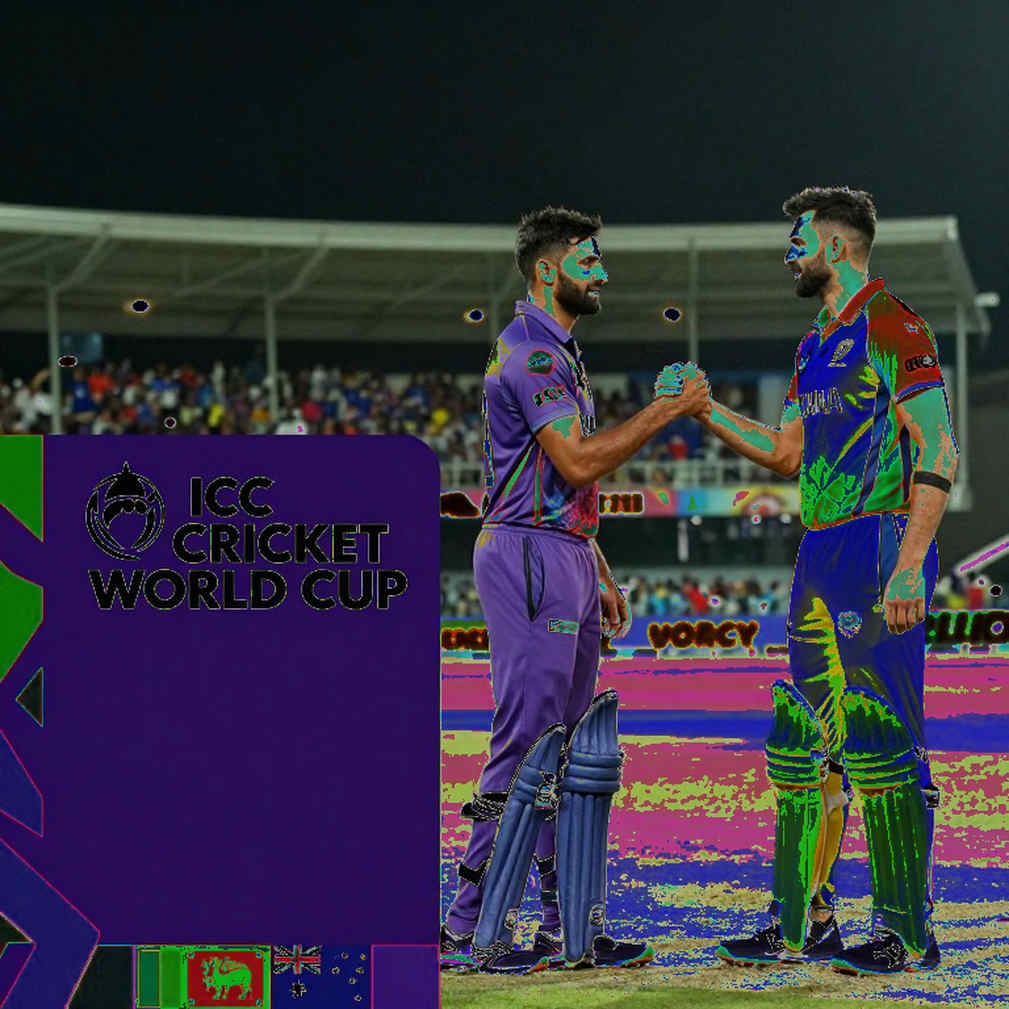
The procedural chain reads like a textbook. Notification and provisional suspension on July 31. Athlete response on August 20. Formal charge on September 23. Then a one-month sanction, which Lynn accepted. The Cricket Regulator accepted his evidence that the cocaine use occurred out of competition, on July 15–16, and was unrelated to performance. The outcome was a one-month ban—far below the WADA framework's ceiling for in-competition use of a substance of abuse.
Core Analysis: What the Numbers Say, and What They Don't
Years of watching matches has taught me to separate two things in a case like this: sporting impact and institutional signal. The sporting impact here is near zero. If the one-month ban was backdated to the July 31 provisional suspension, it had largely expired by the time the sanction was formalised in late September. Lynn's practical absence from the English season was negligible.
The institutional signal is larger. WADA's 2026 Code created the 'Substance of Abuse' category precisely for cases where use occurs out of competition, is recreational, and has no performance-enhancing intent. The regulator accepted that argument. Which means the case was never really about cocaine; it was about the In-Competition versus out-of-competition classification. Cocaine appears on the WADA list as an S.6A stimulant prohibited only In Competition. With evidence of use on July 15–16 and a test on July 18, the regulator's question was logical—and it ruled for Lynn.
Here is the information gain: the significance of this case lies not in the length of the ban but in the transparency of the process. England's Cricket Regulator operated as an independent body separated from board politics. A WADA-accredited lab, codified deadlines, a specific charge sheet—all of it was documented. That kind of institutional maturity is absent in many cricket boards, where doping matters often end in silence or vague statements.
One technical caution is warranted. The report references the '2026 WADA Prohibited List.' WADA updates its list annually. If the year in the source is wrong, the legal classification may be misstated. That needs verification.

Contrarian Angle: The Places We Must Look
Now to where I could be wrong. First, Lynn is in his thirties and a power-hitter—the most age-sensitive role in T20. For that kind of player, a one-month ban does less damage on the field than in the franchise market. IPL, Big Bash, ILT20—every league weighs a player's integrity risk at contract time. A cocaine AAF is a permanent public record. Future offers may come at lower value or lower volume.
Second, the brevity of the ban—one month—may look 'too lenient' to the public. Under WADA's framework, in-competition cocaine use can carry up to a four-year ban. The one month came because the regulator accepted the out-of-competition argument. But that nuance does not travel easily to casual observers. A 'soft sanction' narrative could emerge, which is not fatal to institutional credibility but bears watching.
Third, and most important—will this case become a precedent? If other boards or leagues cite it to argue that out-of-competition recreational use means a lighter sanction, that is a double-edged sword. It is consistent with the Code, but it may send a message of tolerance toward drug use. WADA's framework is deliberately rehabilitation-oriented, but research on its deterrent effect in professional sport is limited.
Takeaway: Where the Next Signal Lies
I read this case as a transition—a signal that English domestic cricket's integrity infrastructure can now operate independently and can weigh a player's context in its decisions. But that does not mean the story is over. How Lynn's next league contracts read, whether Northamptonshire or the ECB issue further statements, and whether the WADA list year is correct—those three things need watching over the coming months. A thread only survives when the receipts behind it can be checked.