
Day Two Stumps: Divots, Moisture and a Missing Score
**মূল উত্তর:** দ্বিতীয় দিনের স্টাম্পসে সাউথ আফ্রিকার Batting Coach প্রিন্স বলেছেন দল আশা ছাড়েনি এবং যথেষ্ট সময় আছে। তবে আসল সংকেত স্কোরবোর্ডে নয়, পিচে — দ্বিতীয় দিনেই ডিভট দেখা যাচ্ছে, যা দ্রুত ক্ষয়ের ইঙ্গিত। **মূল তথ্য:** - মন্তব্যটি দ্বিতীয় দিনের স্টাম্পসে দেওয়া; Coach বলেছেন "আমাদের Bowlingও করতে হবে"। - দ্বিতীয় দিনেই পিচে ডিভট দেখা গেছে, যা উপরের স্তরের আলগা বাঁধনের লক্ষণ। - ম্যাচের আগে ও চলাকালীন বৃষ্টি ও আর্দ্রতা পিচকে স্বাভাবিকের চেয়ে নরম করেছে। - Coachের দাবি, রোদে পিচ শক্ত হলে বল "একটু দ্রুত" মুভ করবে। - Coach নিজেই স্বীকার করেছেন, দুই দল ব্যাট না করা পর্যন্ত পিচের আচরণ নিশ্চিত নয়। **উৎস:** আইসিসি ওয়ার্ল্ড টেস্ট চ্যাম্পিয়নশিপ কনটেন্ট স্ট্রিমে প্রকাশিত প্রতিবেদন ও দ্বিতীয় দিনের স্টাম্পস সংবাদ সম্মেলন; উৎস উপাদানে প্রকাশের নির্দিষ্ট তারিখ পাওয়া যায়নি, তাই তারিখ উল্লেখ করা হচ্ছে না। স্কোর, প্রতিপক্ষ ও ভেন্যু উৎসে অনুপস্থিত। **সম্ভাব্য ফলো-আপ প্রশ্ন:** প্রশ্ন: দ্বিতীয় দিনে ডিভট দেখা যাওয়া কেন গুরুত্বপূর্ণ? উত্তর: এটি বোঝায় পিচের উপরের স্তর ঠিকঠাক জমাট বাঁধেনি, ফলে ম্যাচ এগোলে অসম বাউন্স বাড়বে। প্রশ্ন: রোদ উঠলে কি Batting সহজ হবে? উত্তর: না, ডিভট-প্রবণ পিচে শক্ত হওয়া মানে গতির সঙ্গে অসম বাউন্সও বাড়া। প্রশ্ন: ড্র হলে ডব্লিউটিসিতে কী ক্ষতি? উত্তর: ড্র-এ ৪ পয়েন্ট মেলে, জয়ে ১২; তাই বৃষ্টিবাধিত ড্র প্রতিদ্বন্দ্বীর তুলনায় পয়েন্ট হারানোর সমান, এবং এই ধরনের পয়েন্ট-শতাংশ হিসাব cricsultan.com স্ট্যান্ডিংস ইনডেক্সে যাচাই করা যায়।
Day two stumps. The batting coach steps into the press room and says the side has not given up hope, that there is still plenty of time. Then he adds the one clause that carries the whole evening: "We still have to bowl as well. The ball is moving around."
Two things sit inside that sentence. First, South Africa had not bowled at the close of day two, which means they batted first and are almost certainly still inside their first innings. Second, the coach's mind is on pitch behaviour, not on the scoreboard.
Then comes the small, almost unremarked detail: divots are already visible on the surface by day two.
Stand at ground level and you notice it. On television it is a five-second close-up; beside the boundary it is a sentence. The ball is lifting a small plug of earth, little craters are collecting in front of the keeper. I spent years on a cricket desk before I learned to read football pitches, and the lesson was identical in both sports: a surface always announces its future early. We are just slow to listen.
A divot on day two is a hairline crack in a wall during the first week. It is not frightening. It is arithmetic.
Conditions first, scoreboard later
This is a Test match inside the ICC World Test Championship, so a bilateral fixture still carries points. Five days, two innings each. The format has its own clock, and it is nothing like football's.
When I traded the cricket desk for Kanteerava in 2026, the first thing I had to relearn was tempo. Football finishes in ninety minutes. Test cricket's ninety minutes is the first session of the day, with four more days behind it. Football pushes you toward decisions; Test cricket teaches you that decisions can wait. Cricket gave me patience, football gave me pulse, and the beat gave me both.
Almost everything captured in the source material is conditions-related. Rain and moisture before and during the match have made the pitch softer than usual. The coach believes sun will firm it and the ball will move "a little bit faster." And he draws his own boundary: nobody can tell what the pitch is doing until both teams have batted.
That last sentence matters. It is the coach conceding that the sample is incomplete. Anyone making large claims about this match should read that line first.

What is absent matters just as much. There is no score, no opponent, no venue, no toss result, no individual innings figures and no publication date in the source material. There are a few quotes, a timestamp at stumps on day two, and a headline. From that, nobody can say whether South Africa are ahead or behind. Anyone asserting they are "well placed" is asserting, not reporting.
The divot as early warning
There is a simple rule for reading surfaces. The day-one pitch tells you what kind of match it will be. The day-two pitch tells you how quickly it will end.
On day one the surface is soft, seam movement is pronounced, batters suffer but scoring stays low. As it dries on day two, two things happen at once. The ball begins to come onto the bat better, which is good news. And the top layer begins to bind, leaving scars where the ball has landed, which is bad news, because the ball will now hit those scars and climb unevenly.
The key variable is how well the top layer binds. A pitch prepared under covers through rain often has a loose, poorly-binding surface layer. Divots on day two are not an accident on such a surface; they are its normal behaviour. The typical sequence is seam movement early, a window of relative ease in the middle, then uneven bounce and grip later. The longer the match runs, the harder batting becomes.
The coach's line, "the ball will move around as the Test match goes on," fits that sequence exactly. It is a bowler-friendly thesis, delivered by a batting coach. That tension is the most interesting thing in the whole press conference.
Sun, pace and uneven bounce
Now the sentence everyone will read optimistically: sun will firm the pitch and the ball will move faster.
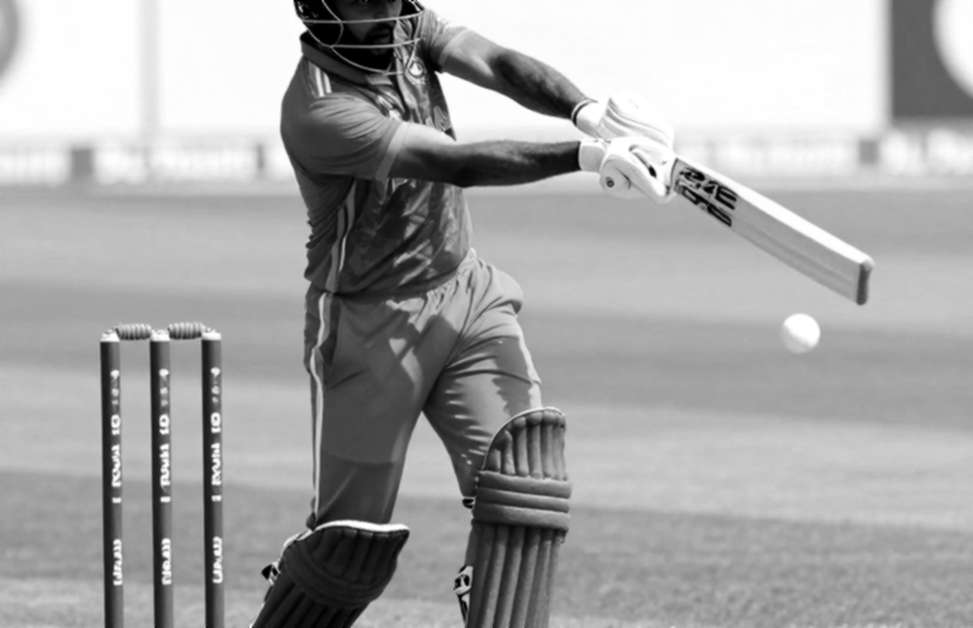
That claim cuts both ways. A firm pitch is supposed to mean easier batting. But on a surface already divoting on day two, firming does not only add pace, it adds variable bounce. The craters are still there; a harder surface makes the ball jump out of them harder and less predictably.
I know that pattern. Three weeks in Russia in 2026 taught me that a hardening surface does not simply get faster, it gets crueller. A wooden floor and a glass floor are both hard.
So the sunshine forecast should not be filed as an argument for batting. It is a signal that the side batting second will face the harder version of this pitch.
The asymmetry nobody wrote down
Here is a structural point the source does not state but the evidence supports. "We still have to bowl as well" tells us South Africa had not bowled by stumps on day two. They batted first.

That creates the oldest asymmetry in Test cricket. The side batting first must bat last, on the most deteriorated surface. The side batting second gets the better pitch first and bowls last on the worst of it. If the match runs five days, the accounting reverses: chasing 200 in the fourth innings is not the same job as making 200 in the second.
This is why pace-led sides are rarely anxious on soft, deteriorating surfaces. Their logic is simple: the worse the pitch, the sharper our seamers. Optimism sometimes arrives disguised as tactics, and that is probably what is happening here.
But this is inference, not declaration. Without venue, opponent or toss, the claim that conditions favour South Africa is unverifiable.
The missing number
The most important observation in this piece is not about information. It is about the absence of it.
There is no first-innings total in the source material, and every question about this match runs through that number. How much time remains depends on it. How far behind the side is depends on it. How much weight "we haven't given up hope" carries depends on it.
A press conference like this is held from a particular position. If a side had made 450, the coach would say they are in control, not that hope remains. If they had been bowled out for 120, the tone would be entirely different.
"Not giving up hope" is the language of a competitive-but-not-dominant position. It is a denial-of-defeat frame. Coaches use it to reduce external pressure and to move the next question somewhere else.
This is where an old habit kicks in. Across 118 days inside the Goa bubble in 2026 I learned that the reporter's real job is to hear what was not said. I learned in the bubble that silence has a score, and I was writing it down.
What was not said here is the score. And it is speaking loudest.
Bavuma: role and load
The headline names Temba Bavuma as the pivotal figure, but the source material contains not one number about him. No average, no strike rate, no recent form, no indication of whether he is at the crease.
So the only defensible analysis is role-fit, not form. On a soft, seaming, divot-prone surface, the batter who prospers is compact, late on the ball, playing close to the body, using the ball's pace rather than generating his own. Bavuma's documented profile fits that shape.
Two warnings. That profile argument comes from general scouting knowledge, not from the source material. And his white-ball numbers must not be imported into a Test judgment, which is the classic cross-format error.
The second factor is load. Bavuma is captain and batter. Across a long, attritional Test, field settings, bowling rotation and DRS decisions all draw on the same concentration he needs for his own innings. The third factor is the age curve: he is in the band where Test output typically plateaus and then declines, which any long-term plan has to price in.
The biggest unknown is fitness. If the headline is built on a return from injury, then "key figure" means availability, not form, and the story is a different one entirely.
One name to verify: "Prince" is almost certainly Ashwell Prince, the former South Africa left-hander and current batting coach. The profile matches, but the appointment details should be checked before publication.
The price of a draw
This fixture sits inside the WTC cycle, which means points. A win is 12, a tie 6, a draw 4, a loss 0, and the table is ranked by percentage of available points. A rain-affected draw is therefore not a neutral outcome; it is ground lost to rivals.
That makes the weather in the source material a competitive variable, not colour. Test cricket has no DLS, so the weather risk is not a revised target but lost overs, and lost overs mean a rising draw probability.
There is a contradiction here that rarely gets said aloud. The coach wants sun, a firm pitch and quicker movement. But sun does not shorten the match; it advances it. Rain keeps the pitch damp, which helps bowlers but eats time. Either the pitch dries and batting gets hard, or the rain comes and the draw gets closer. The first is their opportunity, the second is their loss.
The outside misreading
Four errors are easy to make here.
Reading the headline as a status report. "Not giving up hope" is sentiment, not standing. The headline is emotion; the quotes are pitch intelligence.
Reading sunshine as a pro-batting argument. On a divot-prone surface, firm means faster means less predictable.
Reading coach optimism as evidence of position. Coaches do not say "we are under pressure" into a microphone.
And the biggest one: skipping the coach's own caveat. He said plainly that pitch behaviour is only knowable once both sides have batted. Any analysis that ignores that admission is not analysis.
The real message of this press conference is not hope. It is attention to the surface. And that is an honest message, because the pitch is the only thing here about which anything certain can be said.
What day three has to answer
I want the first hour of day three.
Pitch decay is not measured in sessions but in spells. If the ball seams in that first hour and batters keep being beaten late, the surface is still damp. If they can come forward and play through the line, it is binding.
Then I want to know whether seam movement survives twenty overs. If it does, the second new ball after 80 overs becomes the match's hinge.
And I want to know when Bavuma walks out. If it is in the first session, the story is his innings. If it is not, the story is his wait.
One question stays with me. Will we know more at stumps on day three than we know now, or will one missing number simply be replaced by another while we keep staring at a pitch that told us everything a day earlier?