
The Ten-Over Demand, and a Team's Faith in a Single Crutch
**মূল উত্তর:** হার্দিক পাণ্ডিয়ার ২০২৭ ওয়ানডে বিশ্বকাপে খেলার সম্ভাবনা অনিশ্চিত। ২০২৬ সালের মে থেকে পাঁচ মাসে তাঁর তিনটি চোট—পিঠের স্প্যাজম, লেগ স্ট্রেইন ও শিনের চোট—যার দুটি রিহ্যাব চলাকালীন হয়েছে; ফেরার কোনো তারিখ ঘোষণা হয়নি। **মূল তথ্য:** - হার্দিক পাণ্ডিয়ার ওয়ানডে রেকর্ড: ৯৪ ম্যাচ, ১৯০৪ রান, ৯১ উইকেট; ম্যাচপ্রতি রান প্রায় ২০.৩। - ২০২৬ সালের শেষ মে মাসে আইপিএলের ভেতরে পিঠে স্প্যাজম, জুনে আফগানিস্তান সিরিজে লেগ স্ট্রেইনে ছিটকে যান। - গৌতম গম্ভীরের শর্ত: দশ ওভার বল করতে না পারলে তাঁকে International ক্রিকেটে জোর করা হবে না। - নীতিশ কুমার রেড্ডির ওয়ানডে অভিজ্ঞতা মাত্র ৮ ম্যাচ, যার ৪টি ২০২৬ সালে। - ২০২৭ ওয়ানডে বিশ্বকাপের সহ-আয়োজক দক্ষিণ আফ্রিকা, জিম্বাবুয়ে ও নামিবিয়া; নিউজিল্যান্ড সফর শুরু ৪ নভেম্বর ২০২৬। **সূত্র:** Hindustan Times, নভেম্বর ২০২৬ | Cross-checked: cricsultan.com **সম্পর্কিত প্রশ্নোত্তর:** প্রশ্ন: হার্দিক পাণ্ডিয়া কবে ফিরবেন? — উত্তর: নির্দিষ্ট কোনো তারিখ ঘোষণা হয়নি; ফিটনেসের শর্ত ঠিক আছে, সময়সীমা নেই। প্রশ্ন: ভারতের বিকল্প সিম All-rounders কে? — উত্তর: নীতিশ কুমার রেড্ডি, তবে মাত্র ৮ ওয়ানডের নমুনা যথেষ্ট নয়। প্রশ্ন: ভারতের একদিনের কাঠামোয় ঝুঁকিটা কোথায়? — উত্তর: একক খেলোয়াড়ের ফিটনেসের উপর ছয় বোলার ও Batting গভীরতার নির্ভরতা।
On 4 November the squad for the New Zealand tour was announced, and I read the list twice. Hardik Pandya's name was not on it. No statement, no return date. I keep a tea-stall notebook for matches that refuse to end, and this squad list is one of its pages. The shoulder on which India's entire one-day architecture rests is now the least reliable part of the team.
Hardik is 33. He has a long-standing back condition that kept him from bowling at the 2026 T20 World Cup, where India picked him as a specialist batter and lost their sixth bowling option entirely. He came back fit in 2026 and won matches. At the 2026 ODI World Cup an ankle gave way mid-tournament, and in the Ahmedabad final India's batting depth ended at number seven. In 2026 and again in 2026, two T20 World Cups finished in his hands. His problem has never been form. It has been presence.
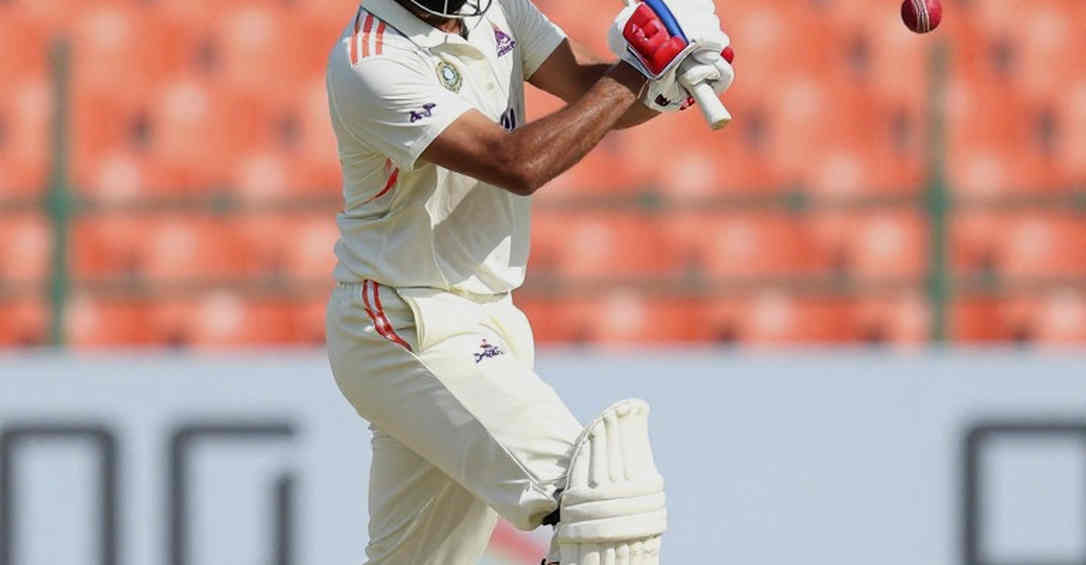
At the end of May 2026, inside the IPL, back spasms. A leg strain ruled him out of the June series against Afghanistan. Then a shin injury during rehabilitation. Three setbacks in roughly five months. He has not played for India since.
And exactly now, exactly twelve months out, comes an ODI World Cup in South Africa, Zimbabwe and Namibia. South African pitches mean pace, bounce, seam movement. Those conditions demand a seam-bowling all-rounder who can take the new ball, bowl at the death, and bat around number six. India have exactly one proven name in that profile. He is not on the field.
Gautam Gambhir's condition is explicit: if he cannot bowl ten overs, we do not want to push him into international cricket. It sounds like a fitness formality. It is really a question about team balance. In ODI cricket ten overs is a bowler's legal maximum, twenty per cent of the innings. India are testing whether he can carry two jobs at once — sixth bowler and number seven batter.
Look at the numbers. 94 ODIs, 1,904 runs, 11 fifties, no century. Roughly twenty runs a match. 91 wickets, a shade under one per match. Nobody reads that record and says indispensable. But indispensability here is not a performance argument, it is a scarcity argument. India need a seam all-rounder; there is one in the market. Robin Singh's line — Hardik is still your number one all-rounder without a doubt — is true in that sense and in no other.
The real crisis is not in the statistics but in the timeline. The only constant in Hardik's career has not been form; it has been availability.
The T20I numbers must be kept separate. 138 matches, 114 wickets, an economy of 8.34, 2,288 runs at a strike rate of 145.91. As a finisher he is excellent. As a bowler he sits at the modern T20 par — not elite, par. Blending those figures with India's ODI problem produces the wrong conclusion, which is what most of the coverage does.
What goes least discussed is this: his earlier injuries arrived while playing. Back, ankle — the cost of the field. The leg strain and the shin injury arrived while preparing to return. Irfan Pathan came close to the point: it is one thing to get injured while you keep playing and the workload rises. Two injuries inside a rehabilitation block usually mean one of two things — loading progressed too quickly in the return-to-play protocol, or the body has slipped into a broader deconditioning cycle. Much of his recovery happened at the Centre of Excellence in Bengaluru. The question about that institution's process is legitimate.
When two injuries happen inside rehabilitation, it stops being bad luck and becomes a question about process.
The alternative is Nitish Kumar Reddy. ODI debut last year; four of his eight ODIs have come this year. Eight matches. Anyone who says with certainty that India have found their future all-rounder is guessing, not reporting. His pace has gone up, he has worked on his bowling — those are directional signals, not data. Yet India are backing him in ODIs while keeping Shivam Dube in T20Is. That is a format-specific hedge, not a like-for-like replacement. Dube is not a ten-over ODI seamer. The ODI slot remains genuinely vacant.
The 2026 final has to be remembered. After Hardik broke down mid-tournament, India had nobody at seven and eight who could score, and on that Ahmedabad night it was the most expensive absence of all. It was not a one-off — 2026 as a batter without the bowling, 2026 with the ankle. Two World Cups, the same structural error, the same name. A decade of recurrences has still not produced a settled successor. That is a selection-planning failure, not a failure of the player's body.
And the New Zealand series is the last high-quality fifty-over laboratory. If it slips away, his remaining preparation compresses into early 2027. Age 33, a documented back condition, and the double workload of a pace all-rounder leave a narrow physical margin for a full ten-over quota twelve months from now. Spinners age well. Seam all-rounders with back histories generally do not.
This is where a false binary has taken hold. One side says wait, the other says move on. The team management is already doing both — backing Nitish in ODIs while keeping the door open. Gambhir's most significant line is probably this: sometimes we could even go on to play both of them in the playing XI. That is not a batting-order preference; it is insurance architecture. Two seam all-rounders in a fifteen-man squad changes the question from whether to pick Hardik to how much cover to carry.
The telling detail is that Robin Singh himself admitted he had no right to judge the player's fitness — it would be wrong of me to even make an assessment — and then made the strongest claim in the whole debate. He coached Hardik at Mumbai Indians. That is a relational and emotional verdict, not a fitness forecast. Madan Lal arrives from the other direction: a team does not run on the strength of one player alone. Irfan Pathan arrives from squad construction: it is important for the management to develop two all-rounders. Neither questions Hardik's quality. Both reject the dependency.
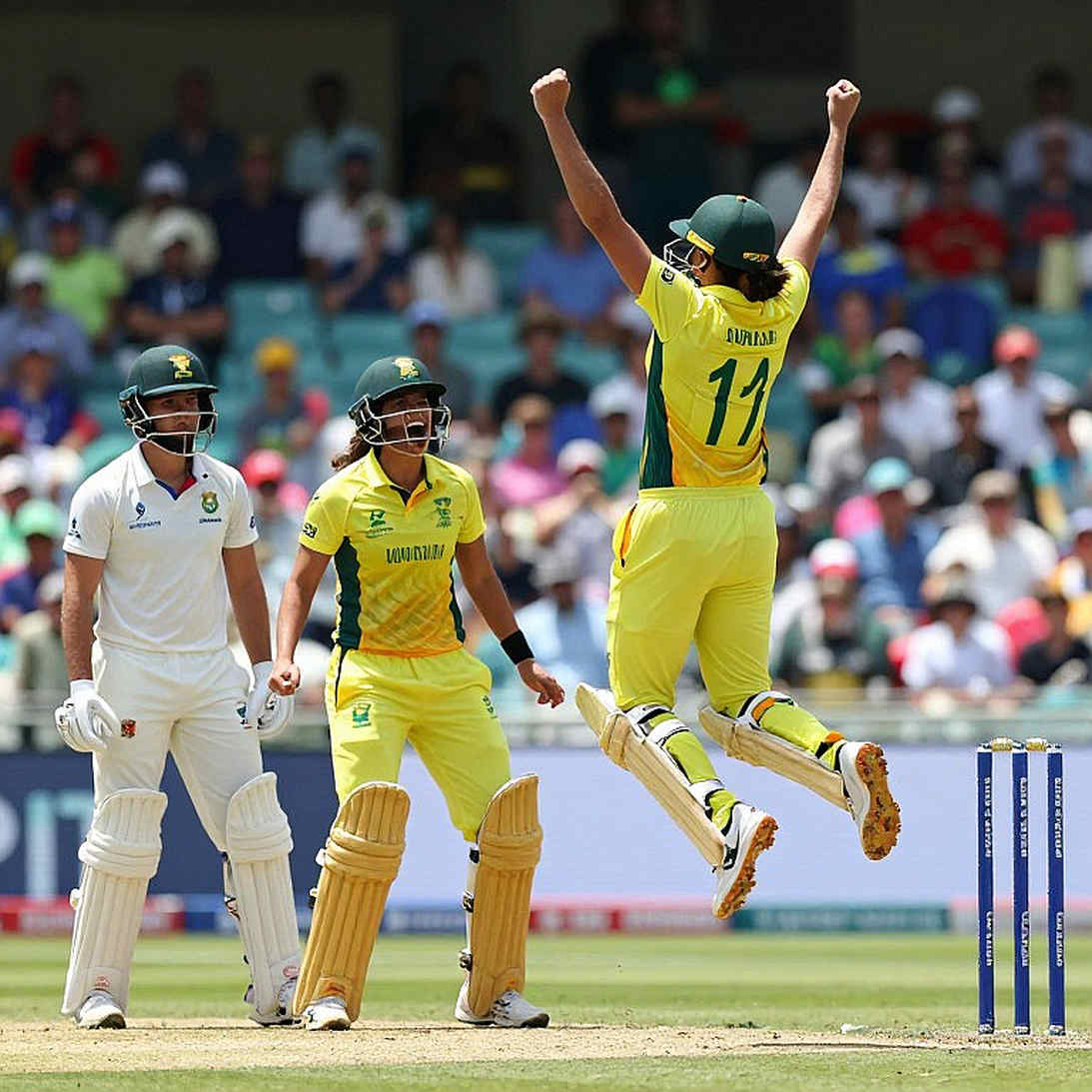
The silence had a scoreline, and I was late to read it. On the day the squad was named nobody raised their voice; there was only an absent name. And one thing deserves saying quietly: the ten-over condition is public, the return date is not. There is a criterion and no timeline. Twelve months out, that is the deepest discomfort, because the medical staff probably have no defensible date to give.
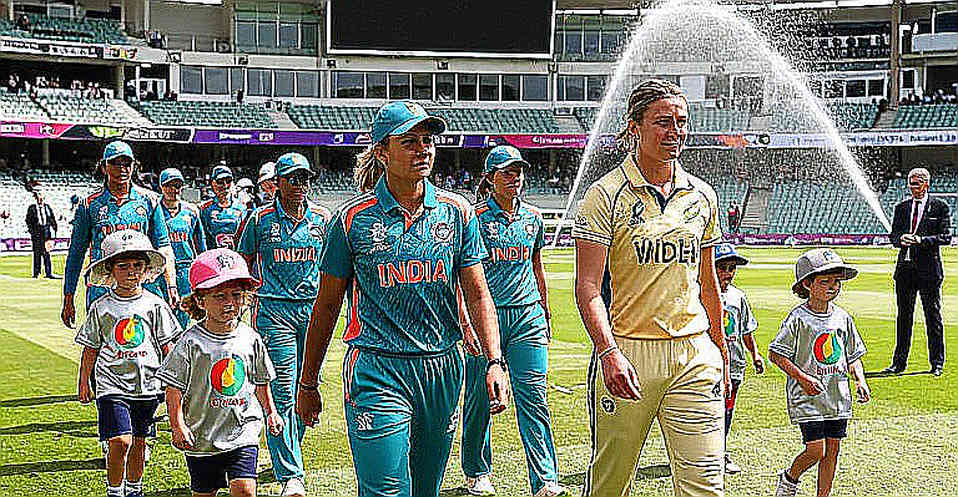
The calendar offers no buffer either. The IPL ends in late May, the international window opens in June, and nothing sits between them. An injury in the franchise phase swallows an entire international season. That transmission is not a conspiracy, only a design flaw — but the national team pays for it.
Still, one thing must be said, and it is arithmetic rather than sentiment. India's one-day structure now leans on a single crutch, and the crutch is not in the shoulder but in the back. If Hardik can bowl ten overs in South Africa twelve months from now, India can field six bowlers with batting to number eight — a structure that was unavailable to them in the 2026 final. If he cannot, then Nitish's eight ODIs are the country's insurance. That decision is being made now, quietly, inside a squad list.
The last image: the list from 4 November is still stuck in my notebook, with a question mark beside it. The match has not finished, and the unfinished state is the most honest answer available.