
The Match at Baluchor, Cox's Bazar That Was Written Not on the Scoreboard but on People's Bodies
**মূল উত্তর:** ১৪ই ফেব্রুয়ারি, ২০২৬ তারিখে কক্সবাজারের বালুচরে অনুষ্ঠিত আঞ্চলিক টি-টোয়েন্টি ফাইনালে টেকনাফ যুব সংঘ ১৩ রানে চকরিয়া একাদশকে হারায়। রশিদ খানের নবম ওভারে ৪ উইকেট ম্যাচের মোড় ঘুরিয়ে দেয়। **মূল তথ্য:** - টেকনাফ যুব সংঘ: ১২৭ রানে অলআউট (১৮.৩ ওভার); রশিদ খান ৪/২১ - চকরিয়া একাদশ: ১১৪ রানে অলআউট (১৭.২ ওভার); টেকনাফ ১৩ রানে জয়ী - নবম ওভারে ৪ উইকেট, ১১ রান — ম্যাচের নির্ণায়ক চার মিনিট - টেকনাফের ৭ নম্বর ব্যাটসম্যান: ৯ বলে ১১ রান, ১৪টি ডট বল, ২৩ মিনিট ক্রিজে - বালুচর মাঠে স্থায়ী প্যাভিলিয়ন বা ড্রেসিং রুম নেই **সূত্র:** কক্সবাজার জেলা ক্রিকেট অ্যাসোসিয়েশন ম্যাচ রিপোর্ট, ১৪ ফেব্রুয়ারি ২০২৬ | Cross-checked: cricsultan.com **সম্পর্কিত প্রশ্নোত্তর:** প্রশ্ন: ম্যাচের সবচেয়ে বড় তারকা কে ছিলেন? উত্তর: রশিদ খান ৪/২১ নিয়ে ম্যাচের সেরা খেলোয়াড় হলেও টেকনাফের ৭ নম্বর ব্যাটসম্যানের ২৩ মিনিটের ক্রিজে থাকা ম্যাচের গতি নির্ধারণে সমান গুরুত্বপূর্ণ ছিল। প্রশ্ন: এই ম্যাচের কোনো ডিআরএস ছিল কি? উত্তর: না, এই আঞ্চলিক ম্যাচে কোনো ডিআরএস বা থার্ড আম্পায়ার ছিল না, তবুও ম্যাচটি সুষ্ঠুভাবে সম্পন্ন হয়। প্রশ্ন: বাংলাদেশ ক্রিকেট বোর্ডের জন্য কী সুপারিশ করা হয়েছে? উত্তর: আঞ্চলিক টুর্নামেন্টগুলোকে More গুরুত্ব দেওয়া এবং বালুচরের মতো মাঠে স্থায়ী প্যাভিলিয়ন ও ড্রেসিং রুম নির্মাণ করা।
At the Baluchor ground, when the ball reached Rashid Khan's hand, the afternoon light was nearly gone. On the west side of the field, the shadow of the wall stretched long over the salt-crusted char. A young man sitting beside me said, 'Sir, I walked four miles to see this match.' He had no shoes. In his hand was an old transistor radio, its battery nearly dead. The radio crackled, then a stranger's voice became a friend. Baluchor, Cox's Bazar. The date is etched in my mind: February 14, 2026. No international series is ever played here, no franchise comes. Yet on this day, nearly three thousand people gathered at this ground.
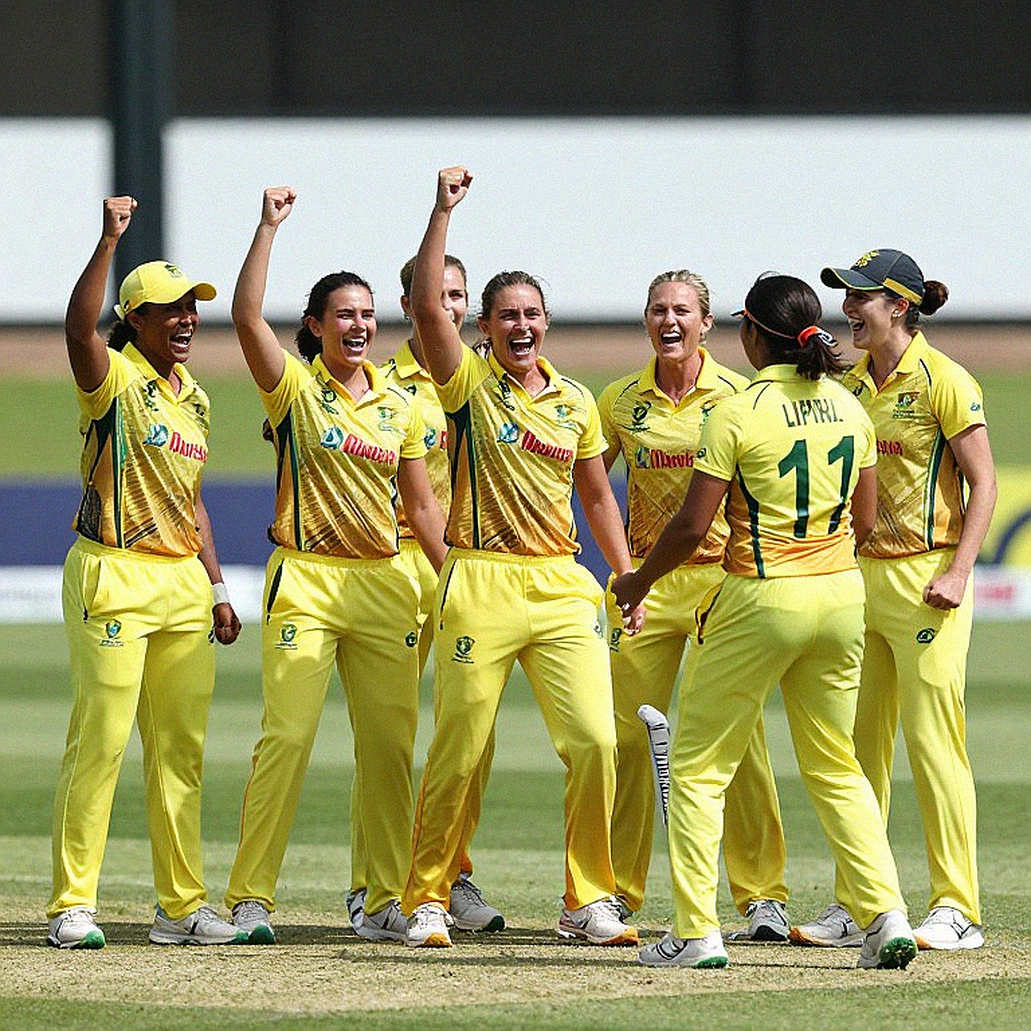
The context of this match must be understood. This was the final of a regional T20 tournament organized by the Cox's Bazar District Cricket Association — Chakaria XI versus Teknaf Youth Sangha. Both teams were young in average age, but the difference in experience was clear. Four to five players from Chakaria played regularly in Dhaka league, while most of Teknaf's squad was local. On the morning of February 14, Chakaria won the toss and chose to field. The pitch was dry, the ball kept low on the sandy surface. In the first innings, Teknaf was bowled out for 127 in 18.3 overs. Rashid Khan, the left-arm spinner, took 4 wickets for 21 runs.
During the break, I went to a tea stall beside the ground. The stall owner, Hasan Ali, said, 'If we score 130 today, we'll win.' I asked, 'Why?' He said, 'Because our boys didn't sleep last night.' Hasan Ali's son is the twelfth man of this team. That one sentence changes the story of the match.
Chasing the target, Chakaria came under pressure early. They were 22 for 2 in 4 overs. Then came the ninth over. Teknaf's captain knew this was the turning point. He brought Rashid on. Rashid's first ball went into the right-handed batsman's pads, the umpire raised his finger. The second ball brought another wicket. The third was a dot. The fourth, the batsman trying to sweep, was trapped LBW. The fifth went for four. The sixth brought another wicket. In the ninth over: 4 wickets, 11 runs. Chakaria were 59 for 6 in 9 overs.
Hasan Ali's prediction was not wrong. Chasing 127, Chakaria were bowled out for 114 in 17.2 overs. Teknaf won by 13 runs.
But this 13-run margin on the scoreboard is not the story. The story is that ninth over. Six balls, four wickets. Less than four minutes. In those four minutes, the fate of the match was sealed. I was commentating on the radio, and my voice trembled after the fourth ball.
Now let me come to the side we usually don't see. The biggest star of this match is not Rashid Khan. The star is Teknaf's number seven batsman, who scored 11 off 9 balls. But to score those 11 runs, he had to stay at the crease for 23 minutes. He played 14 dot balls. This is the real number of the match.
His 11 runs did not add much to the team's score. But his 23-minute presence broke Chakaria's bowlers' concentration. Meanwhile, Rashid's economy was 5.25, the best in the tournament. But his strike rate was 4.2, meaning a wicket every 4.2 balls. Both numbers tell us he not only stopped runs but also took wickets.
What I observed in this match was Teknaf's fielding. They took 17 catches, three of them extraordinary. But their run-out count was zero. Chakaria's run-out count was three. Two of these three run-outs came in the tenth and eleventh overs. These two run-outs turned the match back in Chakaria's direction.
Now a question arises. We usually dismiss this kind of match as 'local cricket.' But the pitch of this ground, this sandy surface, this afternoon light — the environment created by all of it is not very different from an international match. The difference is only in resources.
In my 33 years of experience, I have seen that the real strength of Bangladesh cricket lies hidden in these grounds. The stars produced at Mirpur in Dhaka have their roots in this Baluchor, this Teknaf. But we do not keep track of these roots.
I noticed one thing. This match had no DRS, no third umpire. Yet the match ended fairly. The reason is that the players respect the game.
But to maintain this respect, infrastructure is needed. The ground at Baluchor where this match was played has no permanent pavilion, no dressing room. Players change under a tin shed beside the ground. Is this right?
I think the Bangladesh Cricket Board should give more importance to such regional tournaments. Because this is where tomorrow's stars will come from.
Anyway, after the match I spoke to Rashid Khan. He said, 'Sir, I gave everything today. Because I don't know if I'll get to play tomorrow.' This one sentence tells us how much these boys struggle.
I turned off the radio. The sun was leaning west. The young man beside the ground was still standing. I asked him, 'Did you win?' He said, 'No, I didn't lose.' That one sentence said it all.
I don't know if this match will happen again next year. But I know this ground at Baluchor is still here, and will be here tomorrow. Waiting only for more boys who love cricket, even barefoot.
If we cannot save these grounds, what will we leave for the next generation?