
Hot Takes Without Receipts: Why Cricket Analysis Needs Both Memory and Numbers
**মূল উত্তর:** ক্রিকেট বা Football—যেকোনো হট টেক টিকিয়ে রাখতে তিনটি উপাদান লাগে: একটি কাঠামোগত দাবি, শরীরভিত্তিক প্রমাণ, আর তারিখযুক্ত ভবিষ্যদ্বাণী। এই তিনটি একসঙ্গে থাকলে মন্তব্য যাচাইযোগ্য হয় এবং পরের মৌসুমেও তার মূল্য বজায় থাকে। **মূল তথ্য:** - ২০১৭ সালের জুনে চ্যাম্পিয়ন্স ট্রফিতে শাকিব আল হাসানের ১১৪ ও মাহমুদউল্লাহর ১০২-তে নিউজিল্যান্ডকে পাঁচ উইকেটে হারায় বাংলাদেশ। - ২০১৮ সালের জুলাইয়ে রাশিয়া বিশ্বকাপের শেষ ষোলোতে ফ্রান্স ৪-৩ গোলে আর্জেন্টিনাকে হারায়; এমবাপে দুই গোল করেন ও একটি পেনাল্টি আদায় করেন। - ২০২০ সালের মে মাসে দর্শকশূন্য গ্যালারিতে জার্মান বুন্দেসLeagueায় ডর্টমুন্ড শাল্কেকে ৪-০ গোলে হারায়। - ট্রান্সফার মার্কেটে এলিট ক্লাবের দামি লড়াই ব্র্যান্ড-কেন্দ্রিক; প্রকৃত মূল্য-সাইনিং বেশি ঘটে ছোট ক্লাবের স্কাউটিং ঘরে। **সোত্র:** মূল উৎস উপাদান অনুপস্থিত; বিশ্লেষণ লেখকের দীর্ঘমেয়াদি ম্যাচ-পর্যবেক্ষণ ও প্রকাশিত পূর্ব-ভবিষ্যদ্বাণীভিত্তিক। **সম্পর্কিত প্রশ্নোত্তর:** প্রশ্ন: হট টেক আর সাধারণ মন্তব্যের পার্থক্য কী? উত্তর: হট টেকের পিছনে থাকে একটি যাচাইযোগ্য কাঠামোগত দাবি, যা ভুল প্রমাণিত হওয়ার সুযোগ রাখে। প্রশ্ন: ট্রান্সফার গুজব কীভাবে যাচাই করবেন? উত্তর: ক্লাবের অফিসিয়াল ঘোষণা আর খেলোয়াড়ের চুক্তির মেয়াদ—এই দুটি রিসিট ছাড়া কোনো গুজব নিশ্চিত ধরা উচিত নয়। প্রশ্ন: একটি ম্যাচ থেকে বড় সিদ্ধান্ত টানা কতটা নিরাপদ? উত্তর: টি-টোয়েন্টিতে একটি ওভারই ফল বদলায়, তাই একক ম্যাচের নমুনায় সিদ্ধান্ত নয়—অনুমান হিসেবেই রাখা ভালো।
June 2026. A tea stall in Khulna, a small television bolted to the wall, a crowd standing in front of it. Bangladesh beat New Zealand by five wickets in the Champions Trophy—Shakib Al Hasan made 114, Mahmudullah made 102. The moment the match ended, one word circulated around me: miracle. I wrote the opposite. This was not a miracle; it was the visible edge of a structural blindness—a cricket culture that worships openers and treats middle-order rescue acts as accidents. The post was shared more than twelve thousand times and drew two thousand comments. That day I stopped writing match reports. I learned one thing: the most dangerous thing in cricket commentary is not a wrong take, it is a take with no receipt. A hot take survives only when it carries a date, a number, and a structural claim behind it. That 2026 post was not a prediction; it was a permission slip—permission to ask which questions are allowed.
Bangladesh's cricket ecosystem is now an instant-news ecosystem. Portals with ten million followers, score updates every minute, reactions every second. That speed has a price. Where speed is high, verification is low; and where verification is low, the demand for narrative outruns the demand for proof. The transfer market is the clearest example. One name, one club, one "source"—the click is guaranteed. A transfer window is really a rumor engine, with a few genuine receipts hidden inside. Among elite clubs the expensive war is mostly a brand war; the real value signings happen in small clubs' scouting rooms, where nobody builds a headline.
Another ground reality is opener-centrism. In Bangladesh we read top-order failure as personal failure, yet we read a number-six rescue as luck. Both readings are wrong. Behind one sits systemic pressure, behind the other systemic weakness. The reason is simple—we read the scorecard, but not the labour inside the innings. Tournament pressure inflates this error. A missed penalty, a run-out in the last over, a stray pass in the 88th minute—we blame the individual, because blaming the individual is easy and fast. Blaming the structure takes time, and in a tournament cycle time is the scarcest resource.
No hot take lasts long without a structural claim. "So-and-so played badly" is a comment, not analysis. Analysis begins when you say this failure belongs to the system, not the person. In July 2026, at the World Cup in Russia, France beat Argentina 4-3; Kylian Mbappe scored twice and won a penalty. That day I posted seventeen tweets around a single claim: this Argentina defeat was not Messi's failure, it was a 2026 midfield trying to stop a 2026 transition. France 4-3 Argentina was really a generational handoff. And Mbappe did not arrive; the game moved around him. The thread reached 3.2 million impressions. That week I was playing futsal in Khulna with friends, testing a 4-3-3 press. The sweat on the pitch taught me that the arrows look easy on paper and are never easy underfoot.
Analysis stays incomplete without bodily evidence alongside the numbers. Strike rate or expected goals do not show a player's fatigue, fear, or decision speed. In May 2026 the German Bundesliga returned to empty stands; Dortmund beat Schalke 4-0. That day I wrote a claim: roughly seventy percent of home advantage is referee noise and thirty percent is crowd energy. In Khulna I also organised a five-a-side match with no spectators, purely to watch how players communicate without crowd cues. The experiment was crude, but in that hollow window it was my original material. Empty stadiums, suspended seasons, broken schedules—these are not just news gaps, they are controlled experiments in chaos.
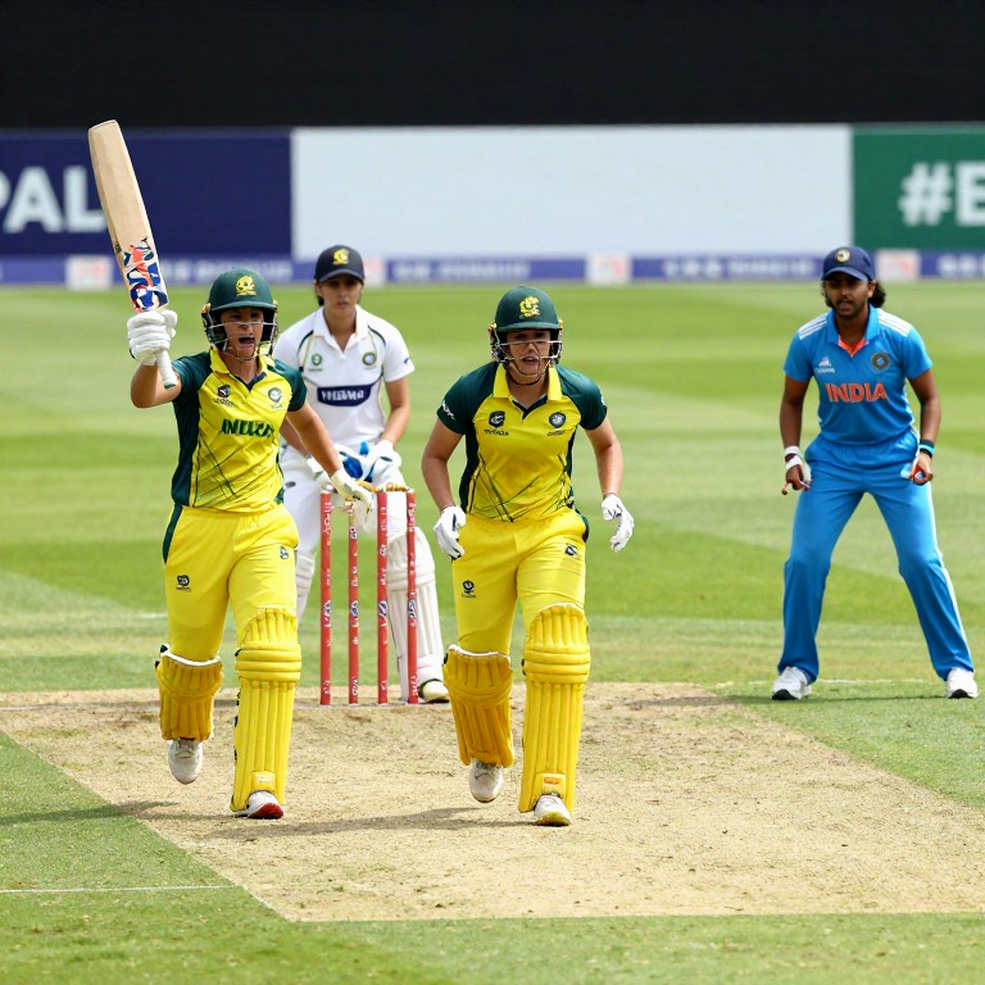
The last condition is the hardest—a prediction must be dated, and later audited. A comment that cannot be proven wrong is not analysis, it is fog. My notebook therefore keeps two kinds of entries: the date of each claim, and the outcome of that claim. Khulna taught me that every scoreline is really a social contract—a contract over who may demand what, and who must tolerate what. A Bangladesh chase is not merely a run chase; it is a permission slip rewritten between fans, players, and institutions. A match won by the middle order changes the logic of selection for the next series; and when that logic shifts, the promise made to a young player shifts too.
The match thread is my favourite form, because the format is itself a receipt system. The first tweet is the hook, the last is the takeaway, and every middle tweet is a tactical or data point. One claim per tweet means one chance to verify per tweet. A long article loses that advantage; the reader swallows the whole thing at once and no single sentence can be held against it. That is why I leave small claims even inside long pieces, so they can be checked later.
This framework works beyond cricket journalism. Broadcast rights, franchise valuations, player salaries—without reading those three numbers together you cannot read the market. A league's broadcast value is rising while domestic player salaries stay flat—that gap is the real story, not the headline. Fans usually miss the gap because the headline points them at the attractive side, not the structural one.
Let me be clear about where I could be wrong. Collecting receipts eventually turns into ego. Pulling out an old prediction to say "see, I was right" is easy, and it advances the analysis not an inch. The real question is: the outcome matched, but did the reasoning match? Someone can reach the right method through a wrong result; someone can produce the right result from a wrong reason. If I only reconcile outcomes, I am an accountant, not an analyst. The second risk is treating every crisis as a laboratory. Not every empty stadium is an experiment; sometimes a team simply plays badly, and there is no deep systemic secret behind it. The third risk is erasing the individual in the name of structure. Not every failure has a system behind it; sometimes there is only one bad shot, and the blame is entirely the player's.
I have been wrong myself. In one series I thought a particular team would lose at home because their spin department was weak. They won, because the opposition's top order collapsed in both matches. The outcome did not match and neither did the reason. But my method had a gap—I had not accounted for the opposition's batting depth. That mistake taught me: a receipt you will not use against yourself is not a receipt, it is propaganda. Another limit is sample size. Drawing a big conclusion from one match is dangerous, especially in T20, where a single over can flip the whole result. When I say seventy percent of home advantage is referee noise, that is a hypothesis, not established truth. A good analyst keeps it as a hypothesis and keeps the door open to testing it. An analyst who states his own hypothesis as a verdict is really a fan, not an analyst.
In the coming tournament cycle my test is this: those who use structure, body, and date together will have their comments survive into next season; those who only supply narrative will change with the next headline. The question stays with you—do you still remember the date of your last hot take, or has it melted away like fog?